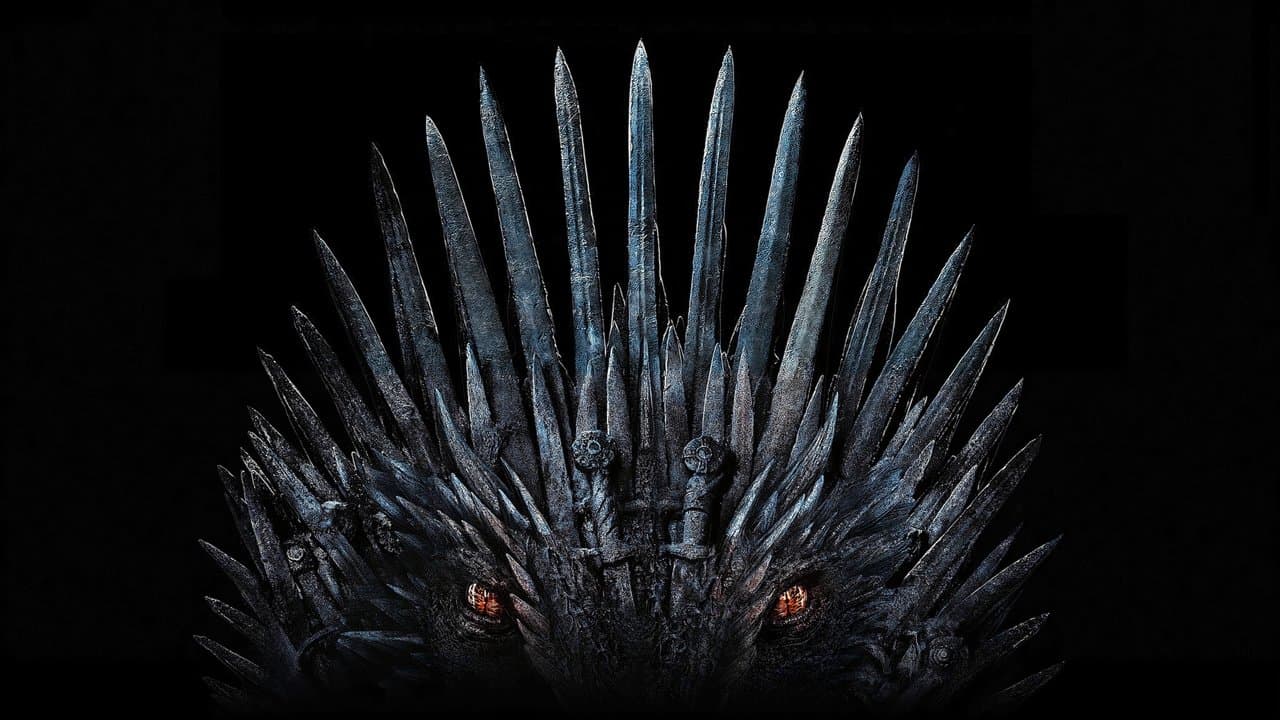
Game of Thrones changed what Sunday nights could feel like forever.
One of the great wonders of the modern world isn't a wall in China, a pyramid in the Yucatán, or a mausoleum in India, it's a fantasy epic on HBO. It's a series whose theme song made rooms across the world go silent, inspired watch parties and drinking games, defined the term sexposition, and redefined what television could be. For almost a decade, Game of Thrones wasn't just a television show. It was an event.
HBO's adaptation of George R.R. Martin's A Song of Ice and Fire followed multiple families, kingdoms, and rival claimants fighting for a throne nobody seemed remotely qualified to occupy. What started as a fantasy show slowly became a global obsession.
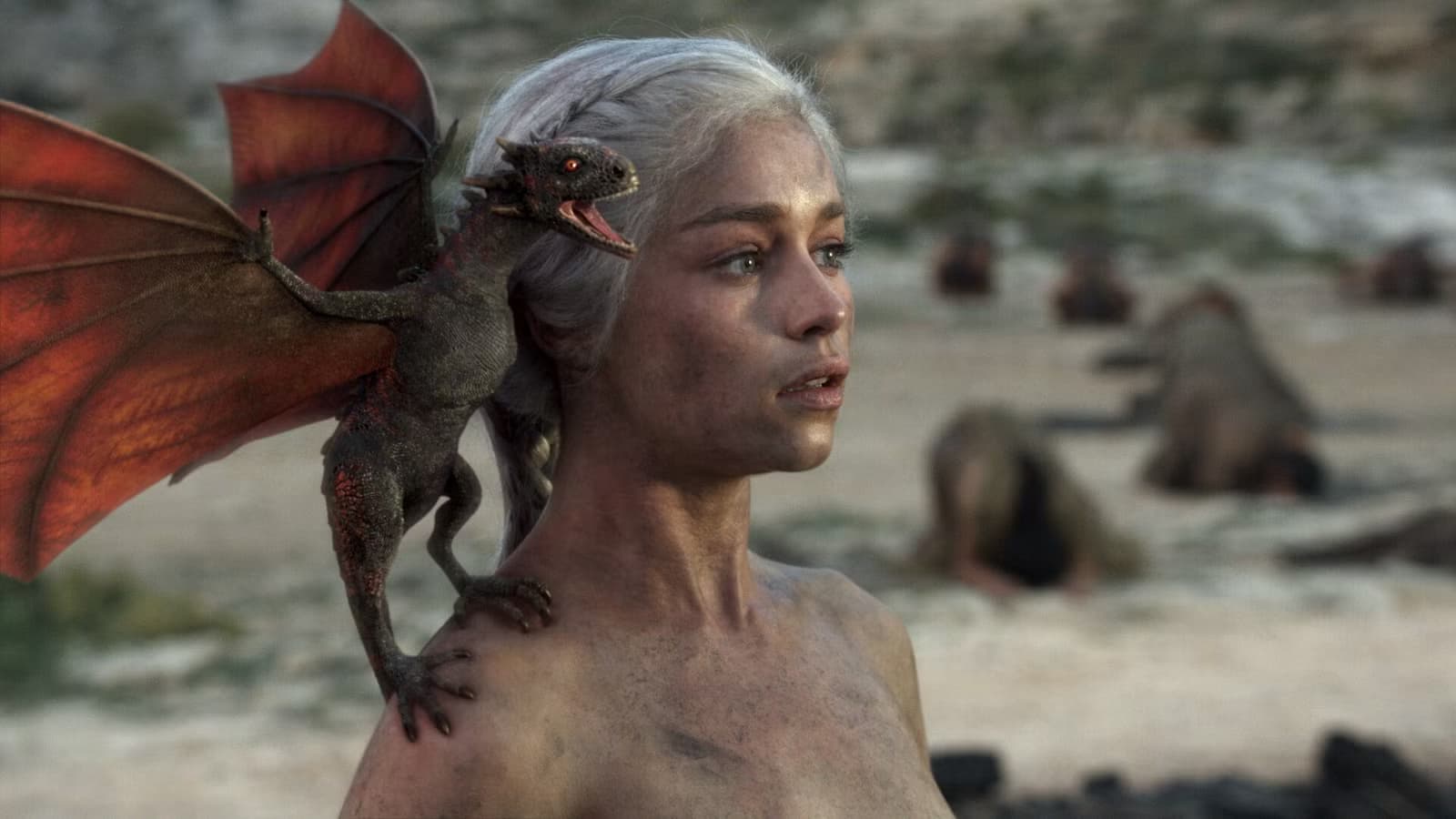
Part of the magic was uncertainty. Television had trained audiences to believe the main characters were safe. Game of Thrones looked at that rule and fed it to a dragon. Heroes died. Villains won. Entire storylines got decapitated halfway through. Watching it live felt like standing on a trapdoor that could open at any moment.
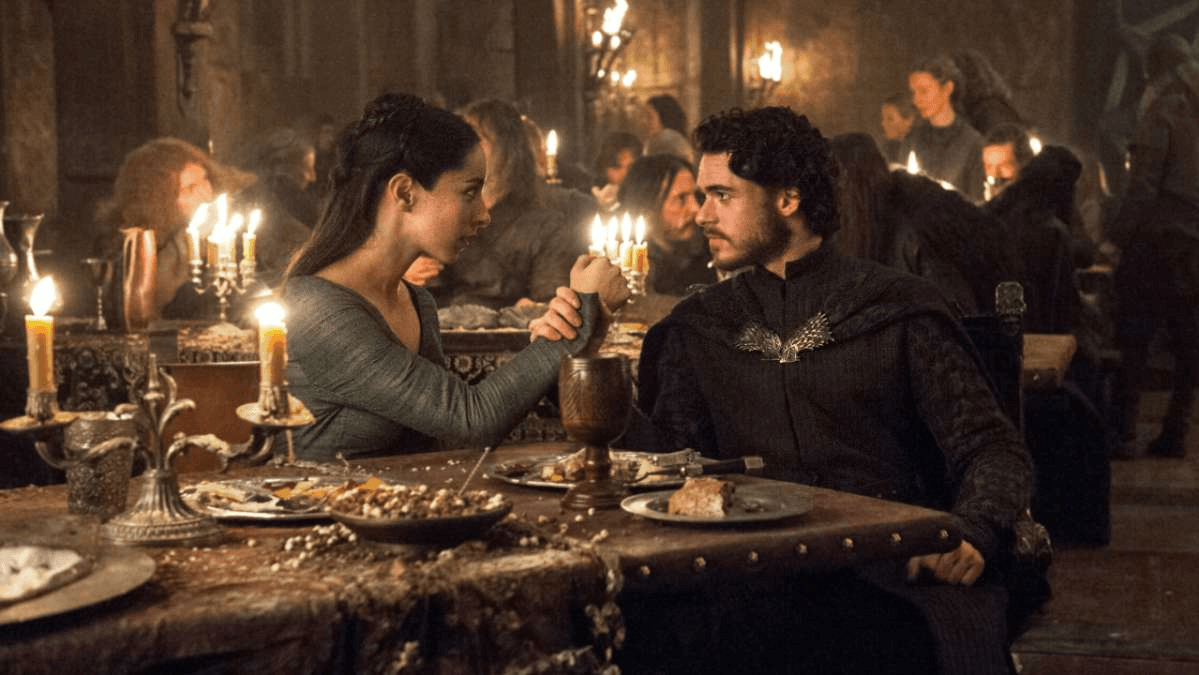
The Red Wedding. Hardhome. Battle of the Bastards. The Door. Monday mornings weren't for discussing television. They were for comparing emotional damage, avoiding spoilers, and reliving the episode scene by scene.
It wasn't perfect. The pilot is surprisingly shaky. Season one spends a lot of time teaching viewers who's related to whom. And yes, the final season deserves most of the criticism it gets. The destination largely works. The pacing doesn't. After years of patient storytelling, the show suddenly started sprinting. But the ending has a way of dominating conversations about a series that spent seven seasons operating at a level television had never reached.
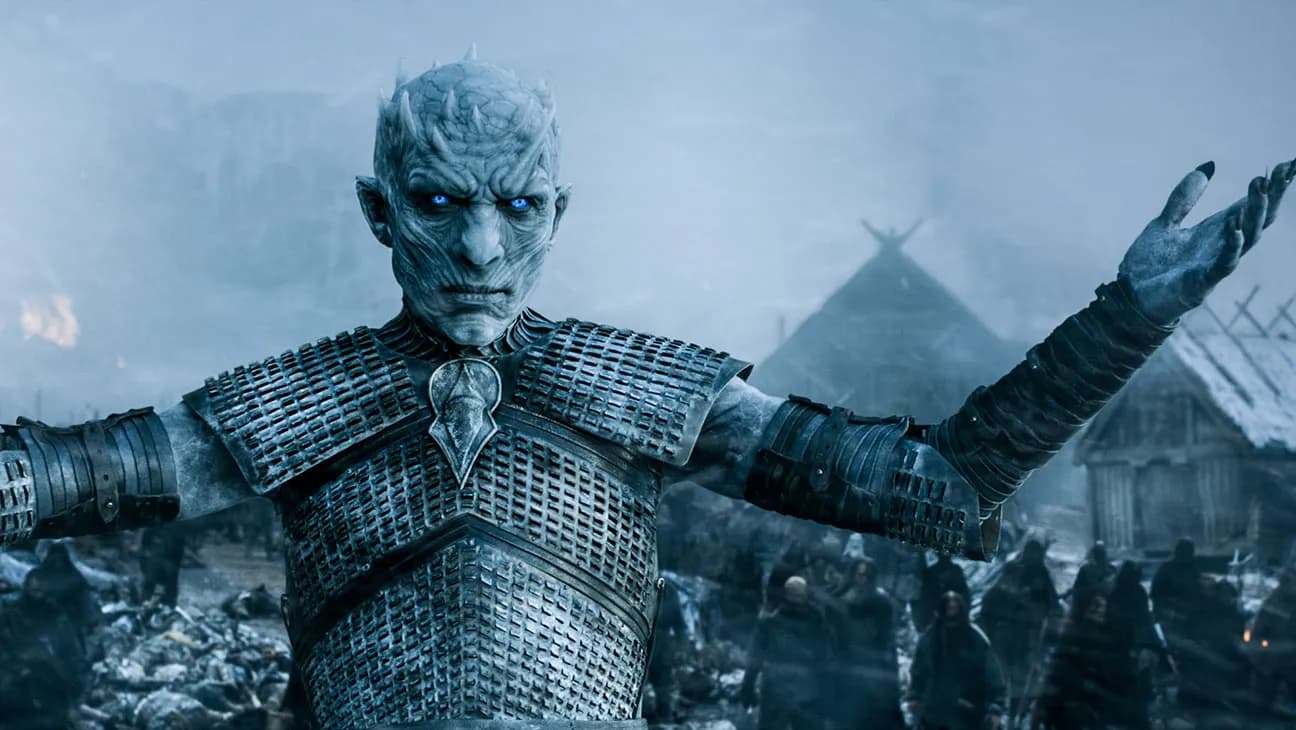
For eight years, Sunday night wasn't just another night. It was the night. The theme song started, conversations stopped, and for the next hour it felt like the entire world was watching the same thing at the same time.
Nothing has matched it since. Not because other shows aren't good. Because the conditions that created Game of Thrones barely exist anymore. Weekly viewing. Massive budgets. A decade-long commitment from audiences.
If you haven't seen it, get out from under that rock. There may never be another show like it.
The Rundown
Performances
Peter Dinklage's Tyrion remains the show's MVP, but the real achievement is the depth of the ensemble. Few series have ever managed this many characters, across this many years, this successfully.
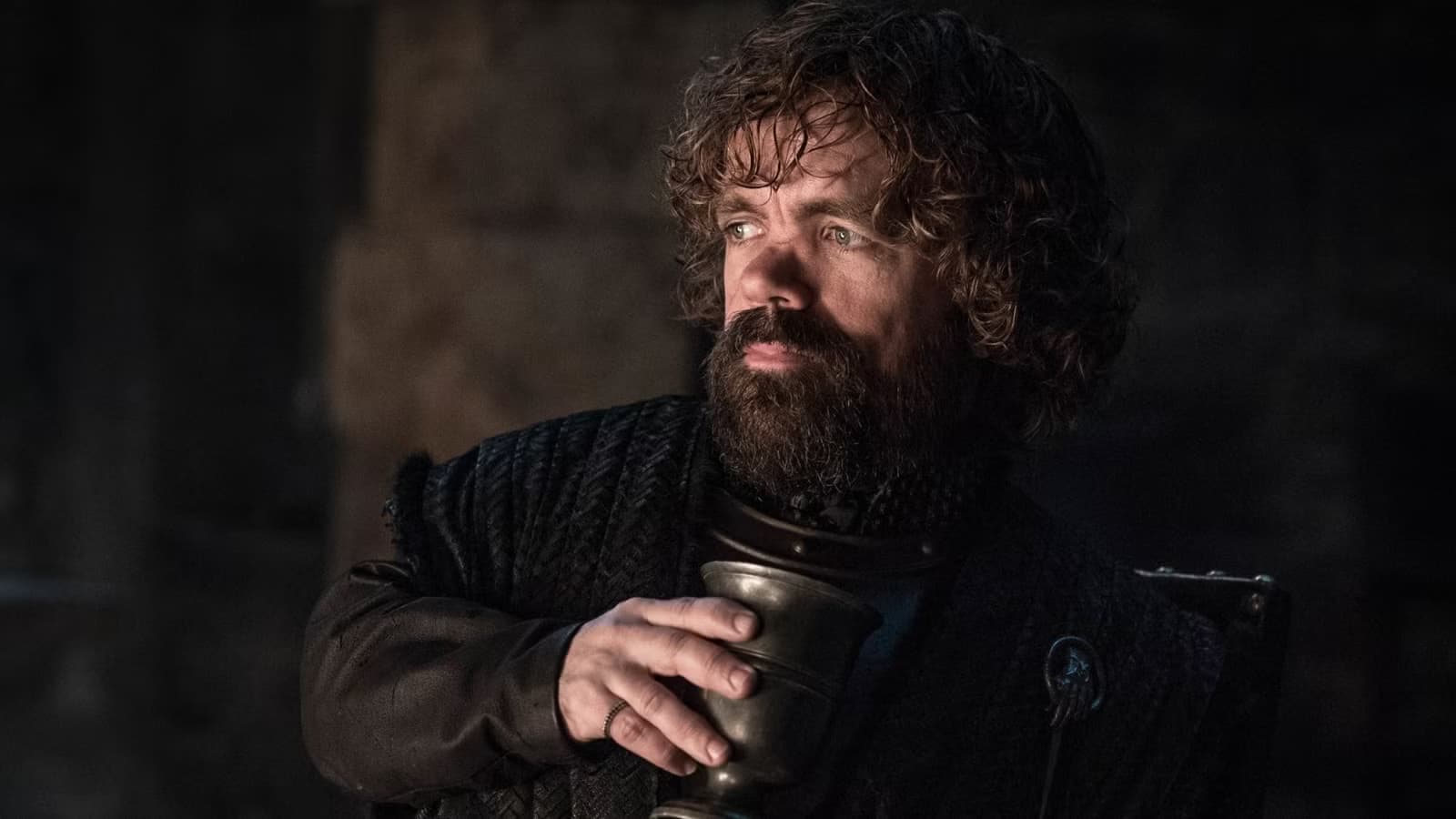
What You Come Here For
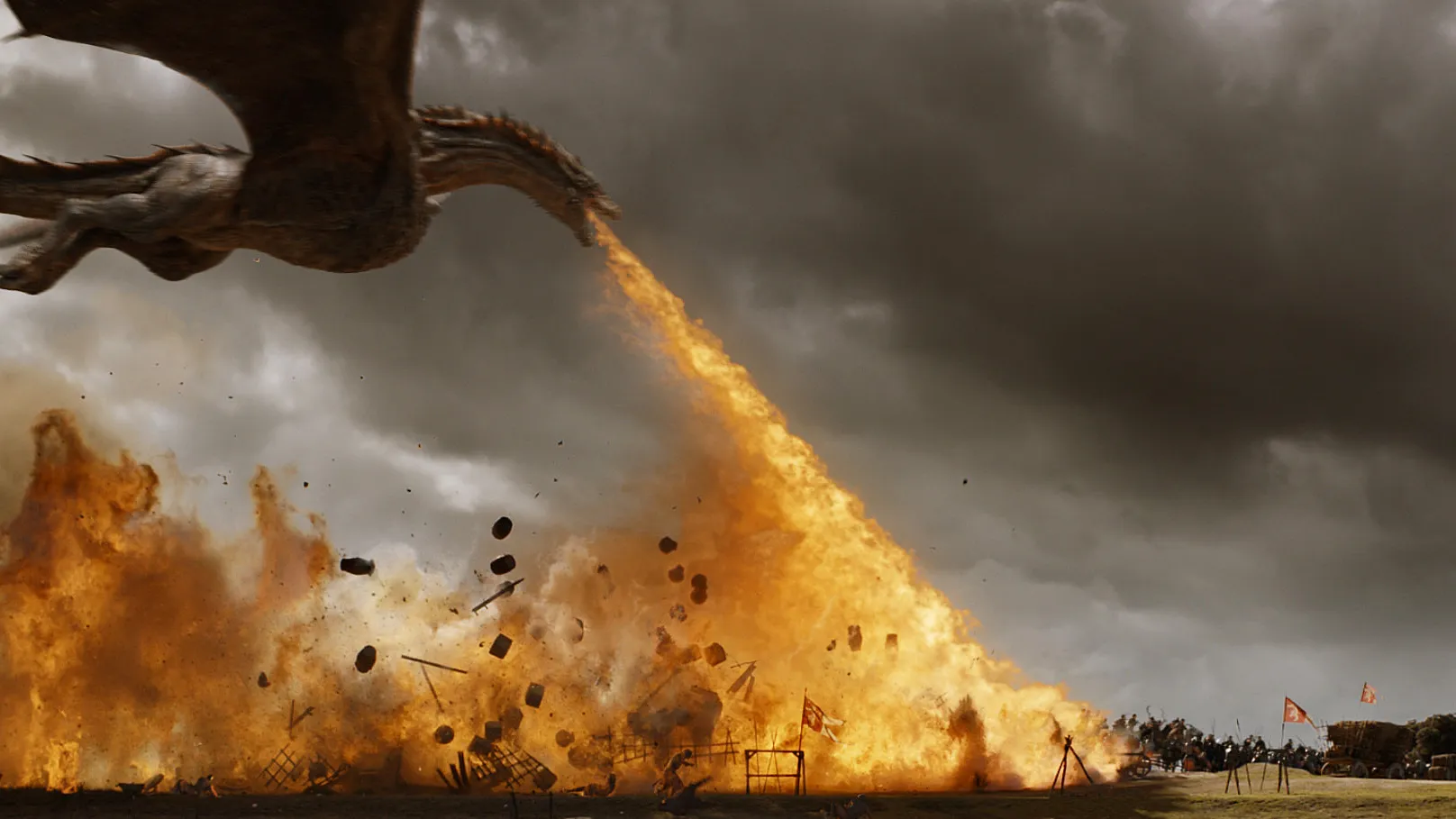
The main event. Prestige with a capital P. Dragons, sexposition, impossible battles, armies of the dead, and the feeling: "Did that just fucking happen?"
Best Episode
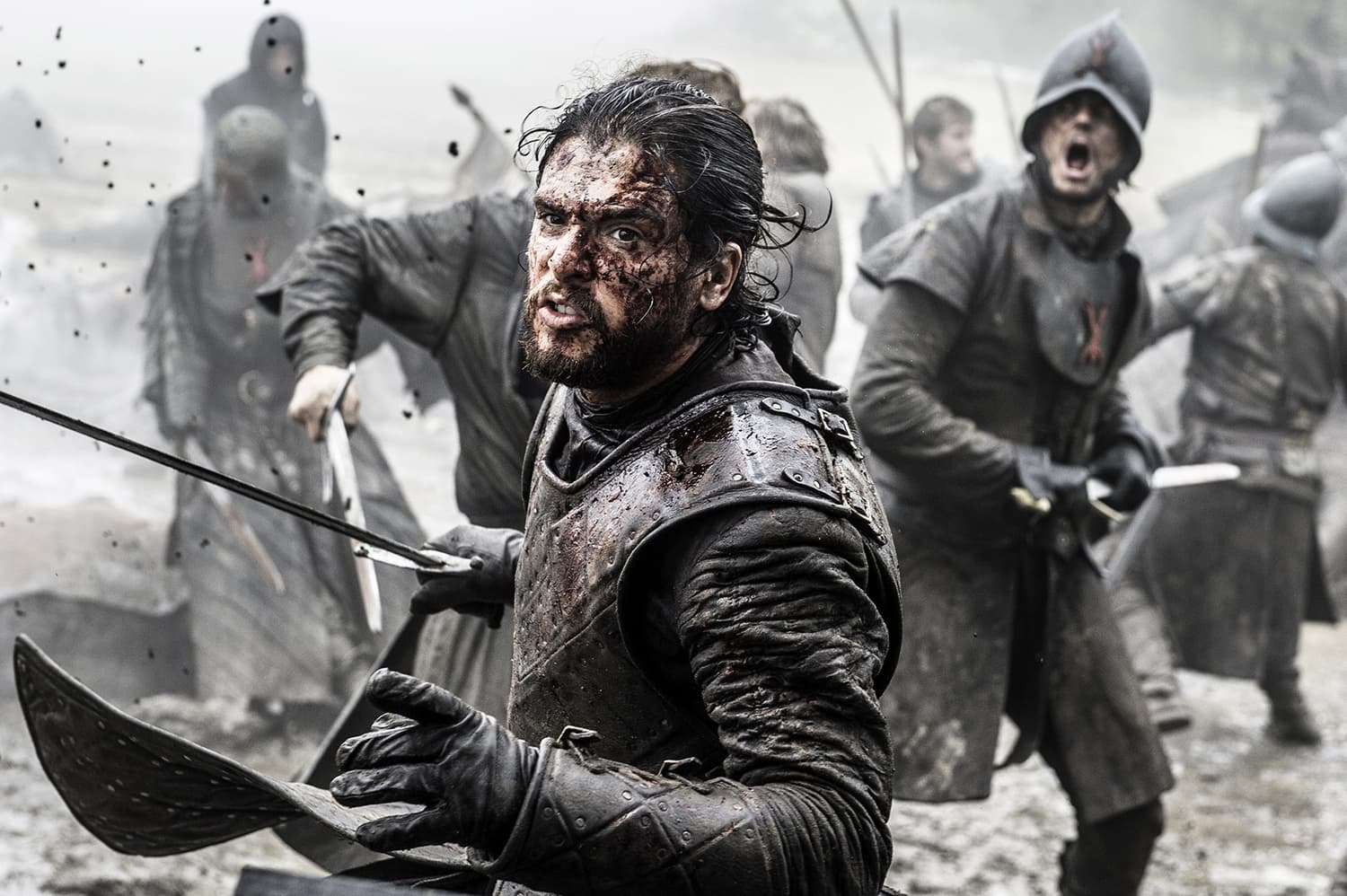
Naming one is impossible, so we're not doing that. "Baelor" (S1E9) changed the rules. "The Rains of Castamere" (S3E9) traumatized us. "The Mountain and the Viper" (S4E8) is shocking. "Hardhome" (S5E8) might be the best of the bunch. "The Door" (S6E5) absolutely guts you. "Battle of the Bastards" (S6E9) contains one of the greatest battle sequences ever filmed. Pick your favorite. Start an argument.
Weak Spots
The final season moves too quickly through storylines that needed way more room to breathe.
Pair With
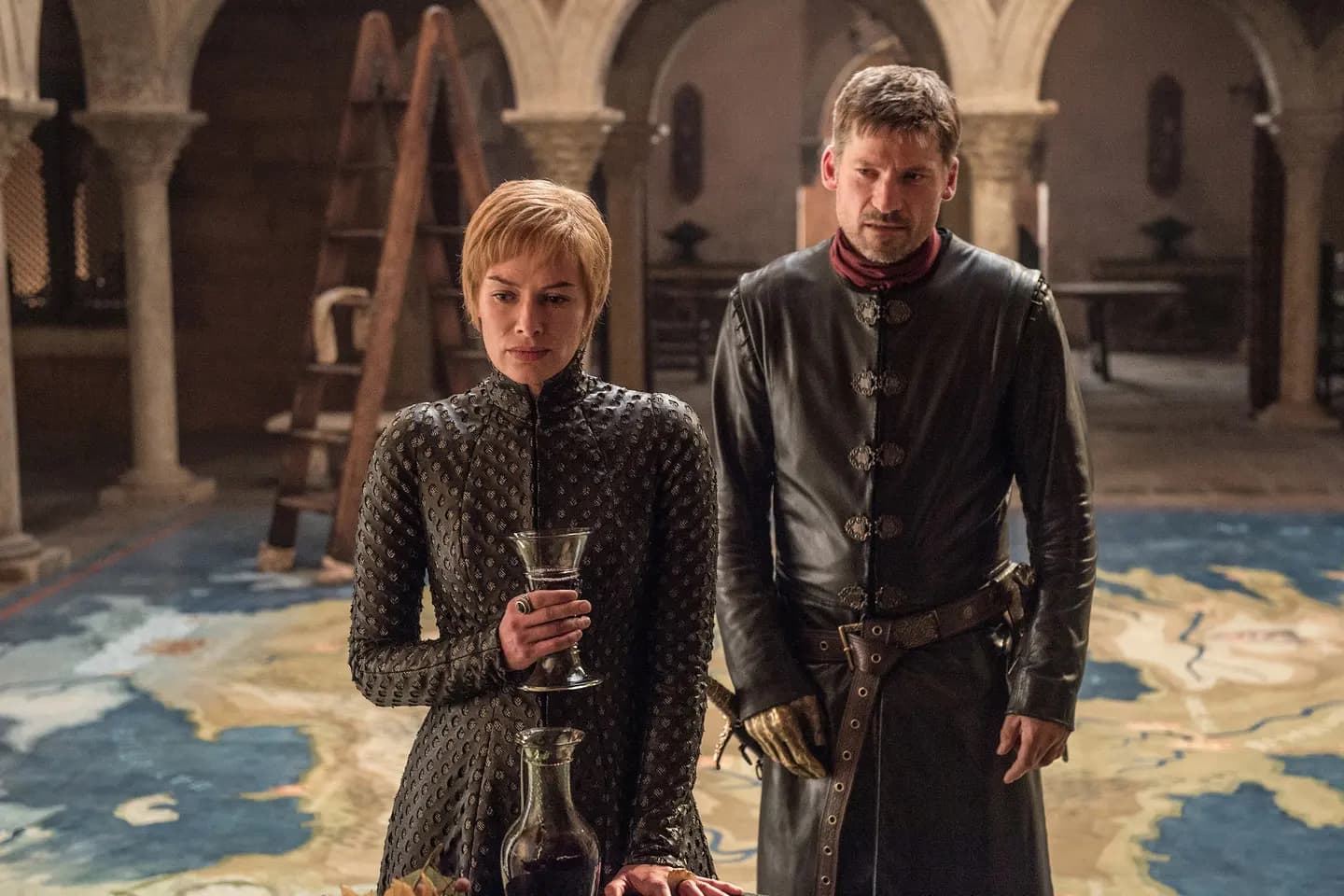
House of the Dragon, A Knight of the Seven Kingdoms, The Sopranos.
Included In
What Our
Ratings Mean
Learn More →The Heroes: These are the shows that change the game. The ones that stay with you and we'll recommend over and over.
Suggested Viewing
Pluribus
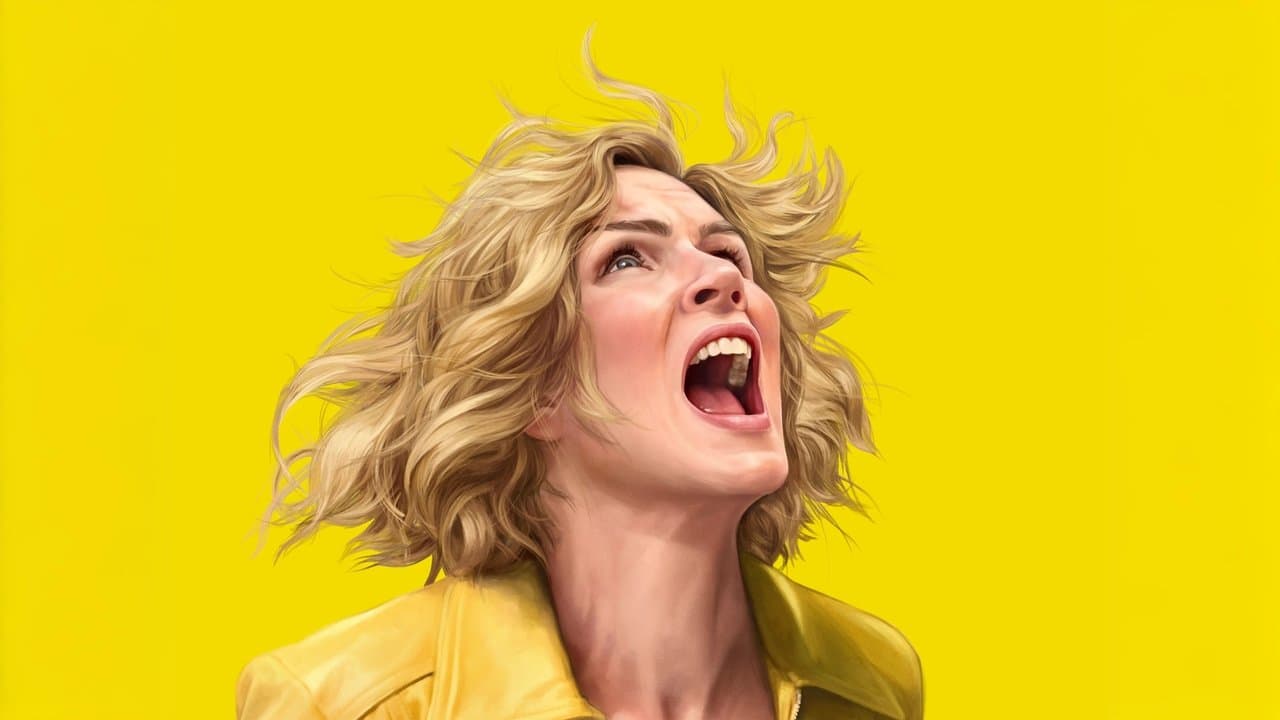
With Pluribus, the creator is king. Vince Gilligan takes a big swing.
House of the Dragon
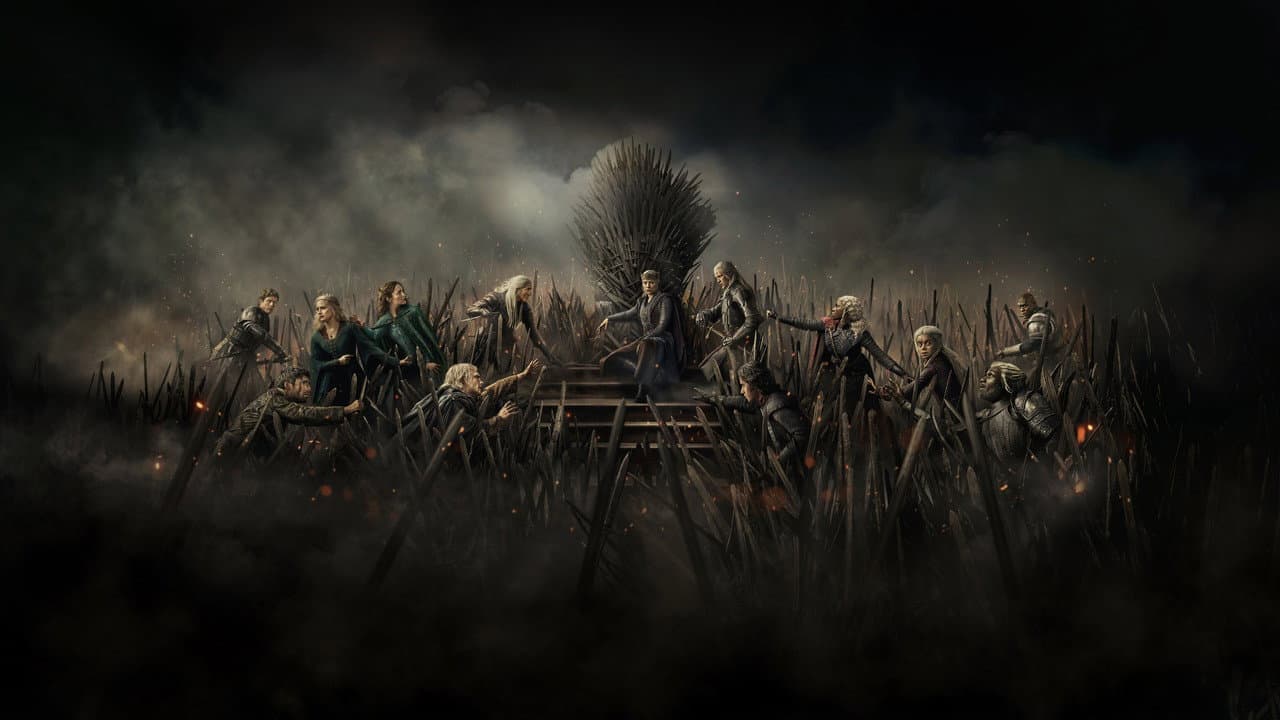
House of the Dragon is one very fancy meal: the royal family tearing itself apart with dragons.
Severance
Anyone who's ever had a job has fantasized about shutting off that part of their brain. Severance asks: What if you could?