Adolescence
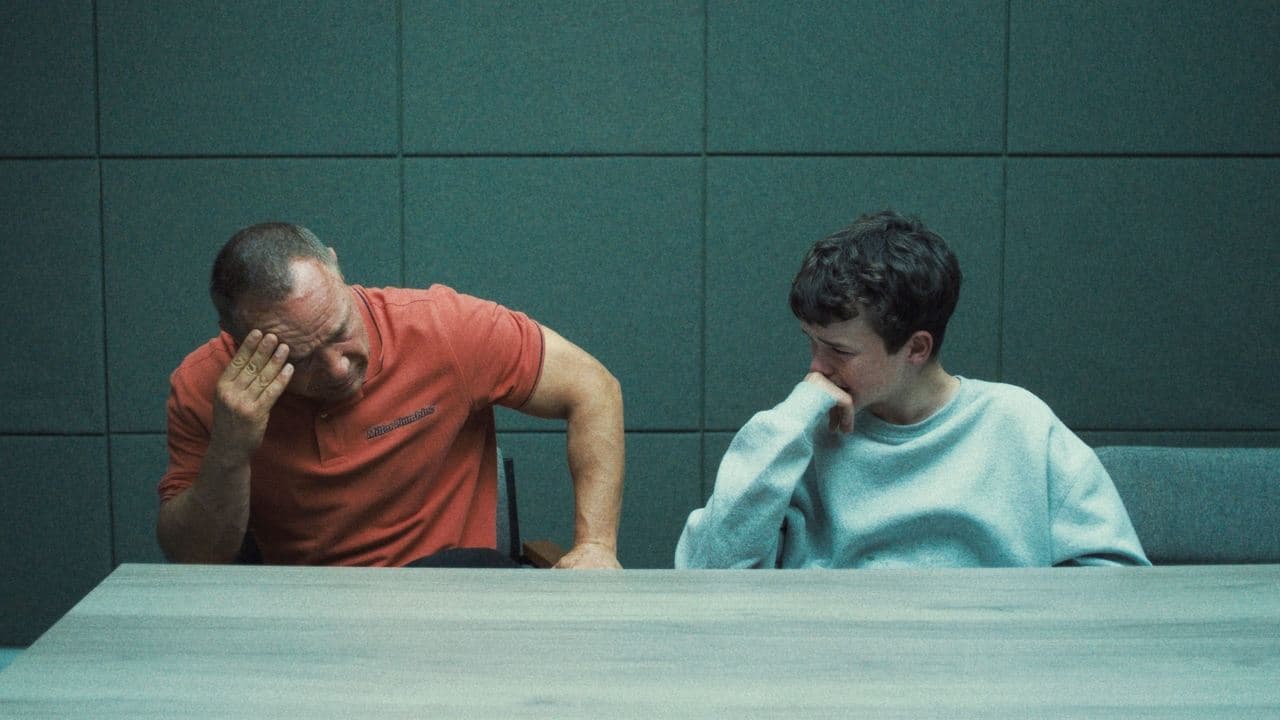
Adolescence is the four-hour gut punch we're still trying to recover from.
Shows about "the youth today" usually fall into a few familiar lanes. There's the glossy coming-of-age comedy — Sex Education and its endless parade of teenage horniness. There's the Euphoria school of neon-lit debauchery with enough sex and drugs to make any parent seriously consider boarding school. We're here for both.
Then there's Adolescence. A four-episode bludgeoning that became one of the biggest cultural conversations of 2025. It takes every headline about teenage boys, online radicalization, violence, and the parents caught in the blast radius and turns it into a waking nightmare.
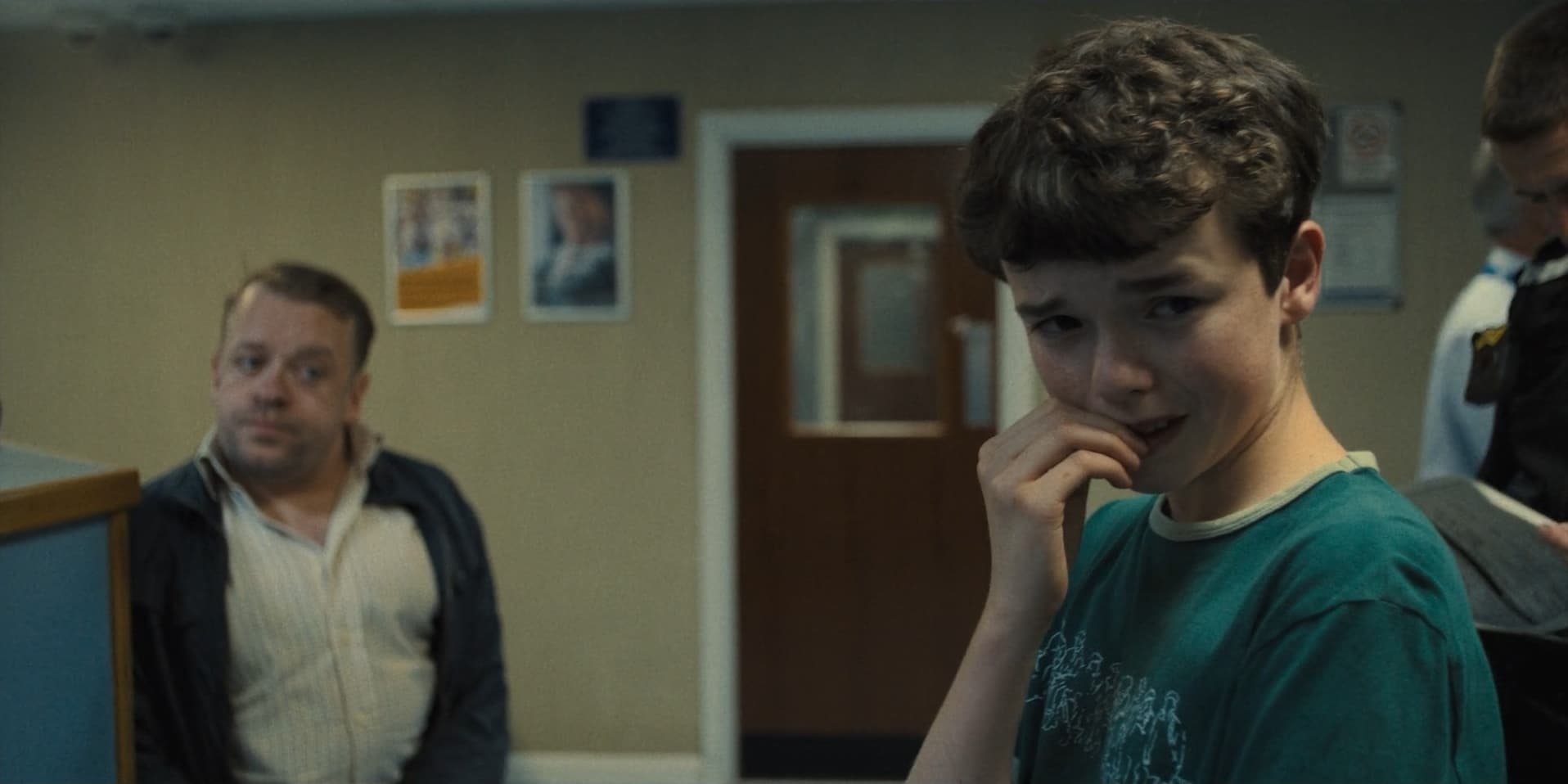
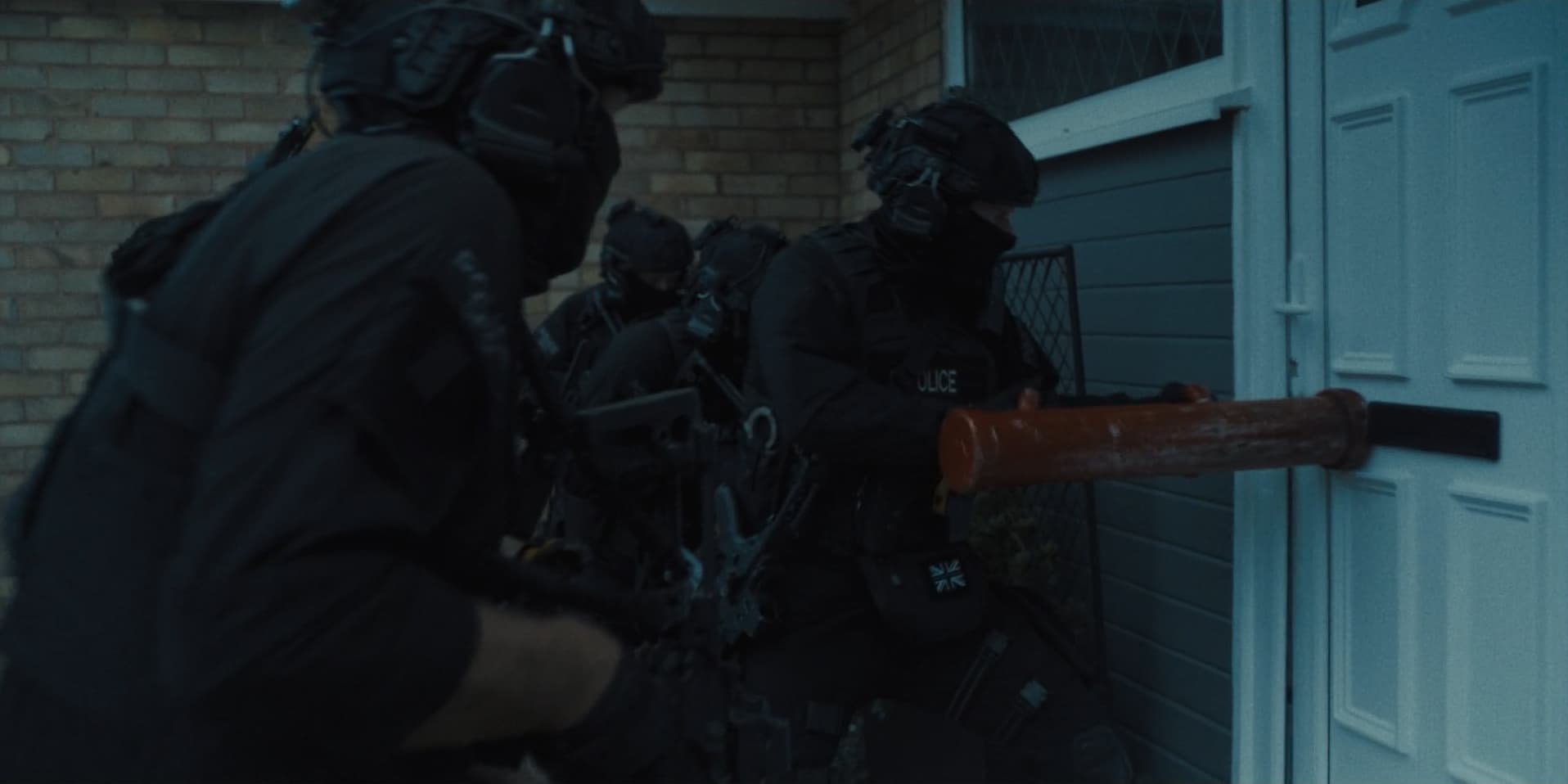
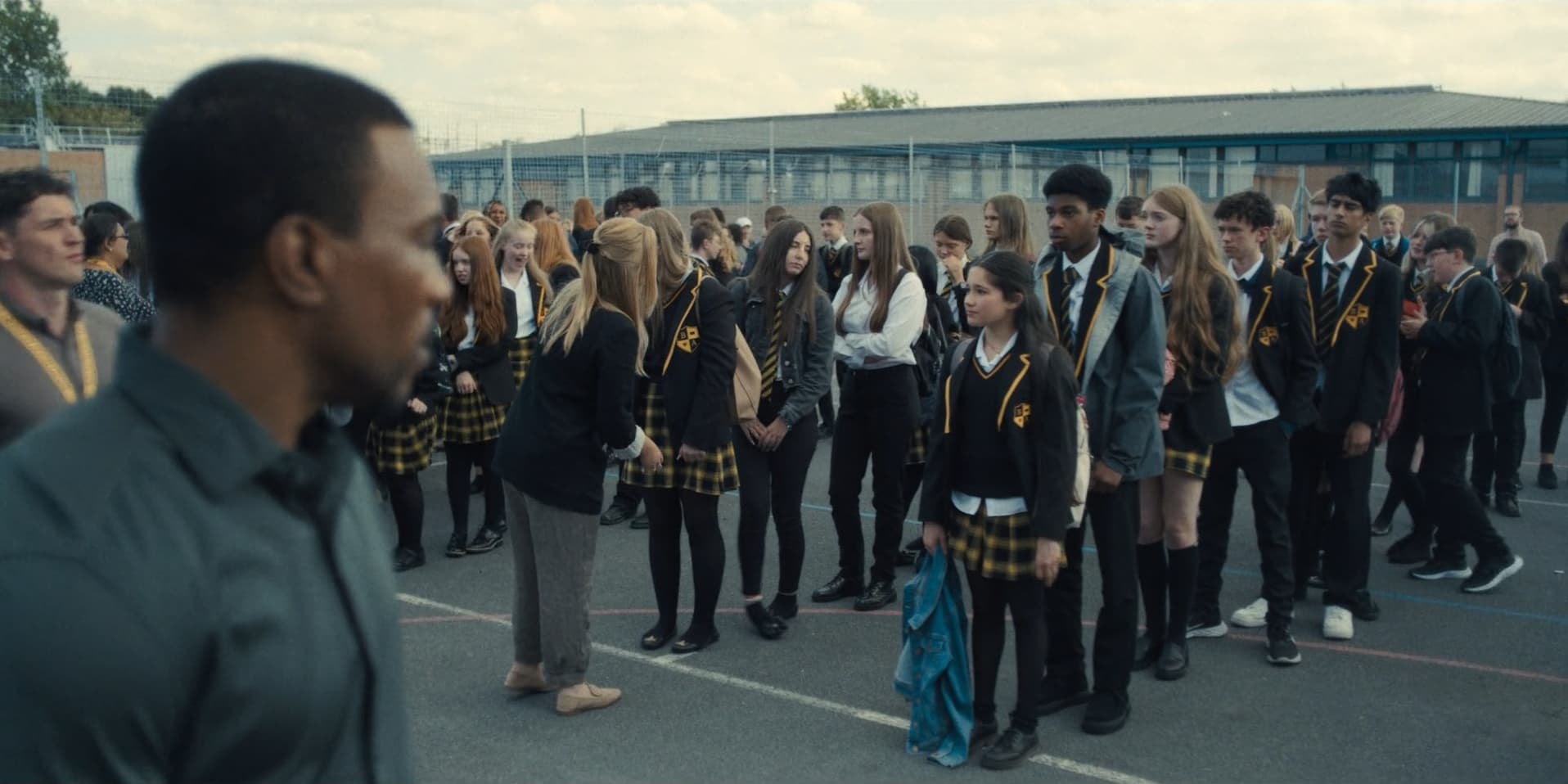
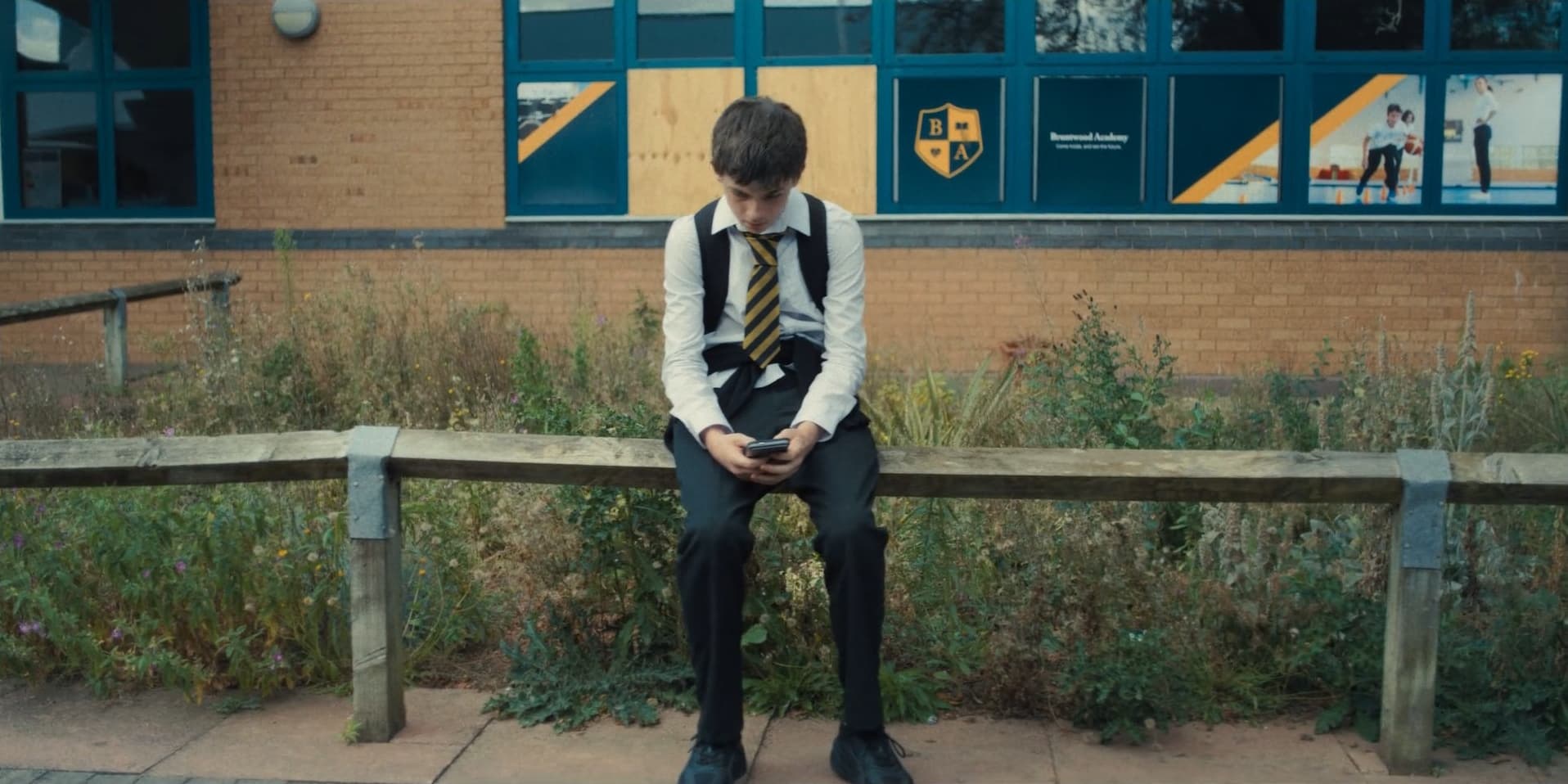
After a shocking act of violence, a family, a school, and an entire community are left scrambling to understand how a young boy got pushed toward something unimaginable. Each episode unfolds in extended single-takes, trapping you inside classrooms, interrogation rooms, and living rooms with nowhere to escape.
At first, the single-takes almost feel distracting — the first episode practically dares you to notice how technically difficult everything is. But eventually you stop noticing the camera. The performances take over, and what started as a flex turns into something closer to live theater — except you're trapped onstage while everything falls apart around you.
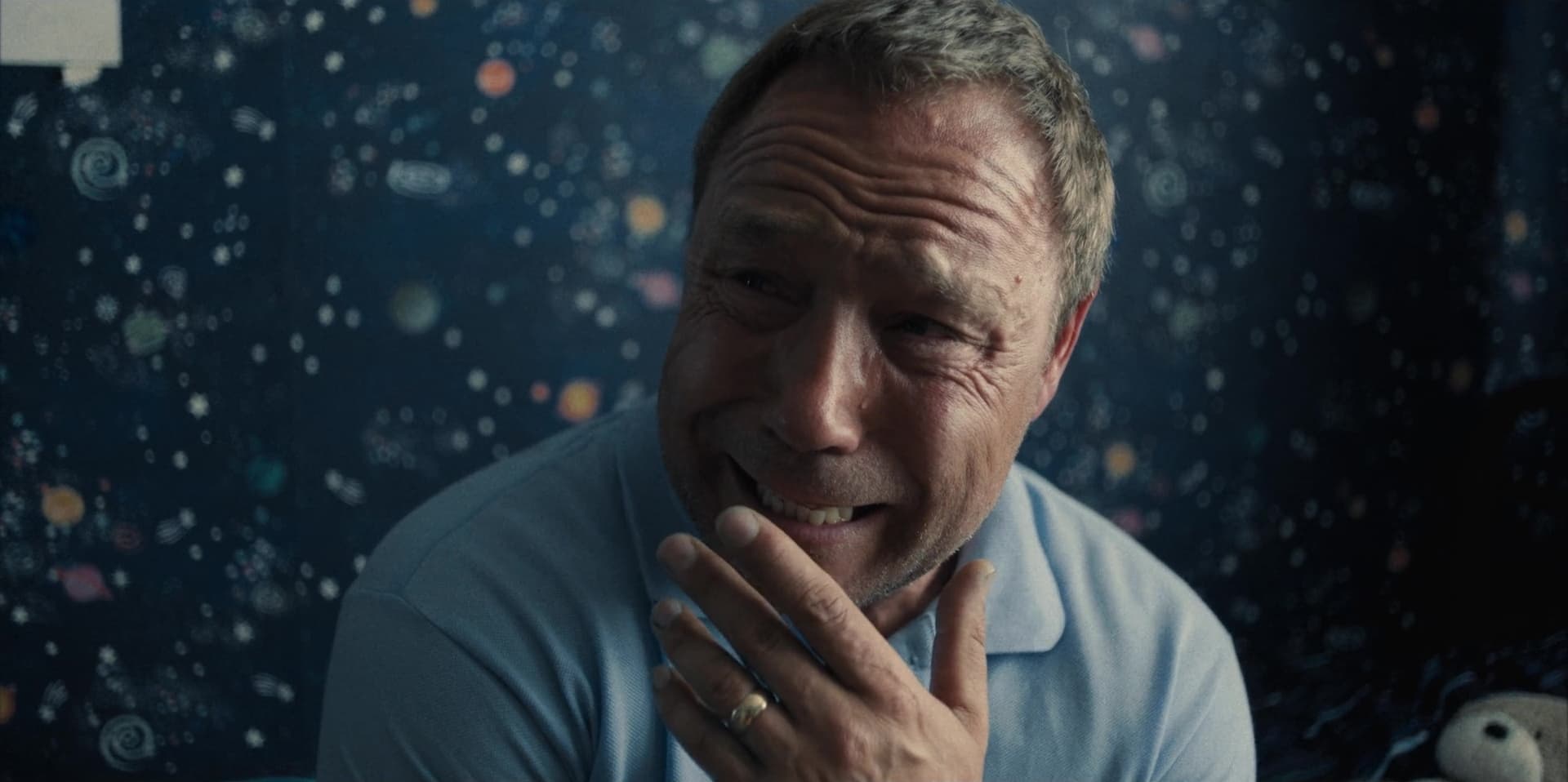
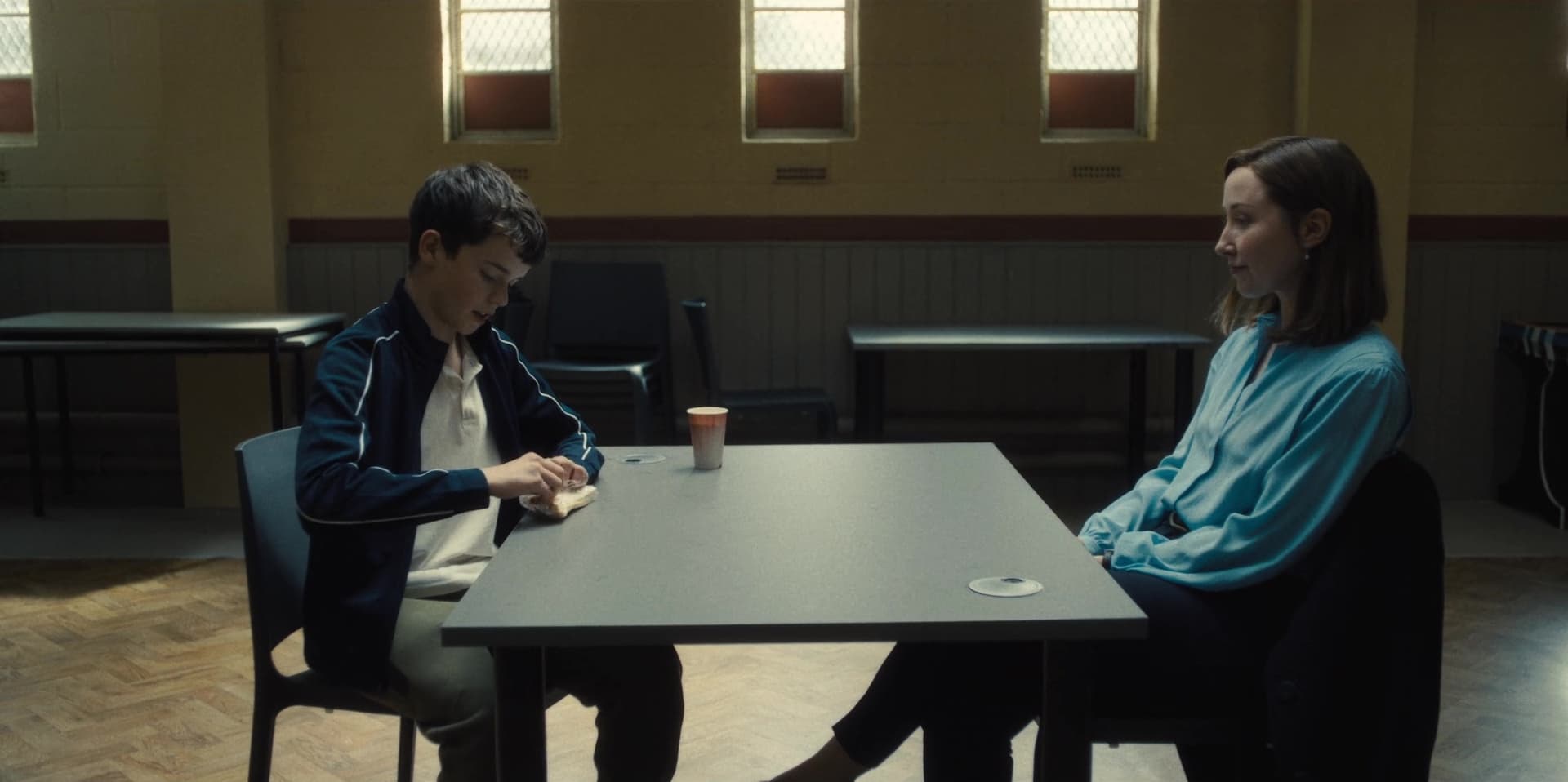
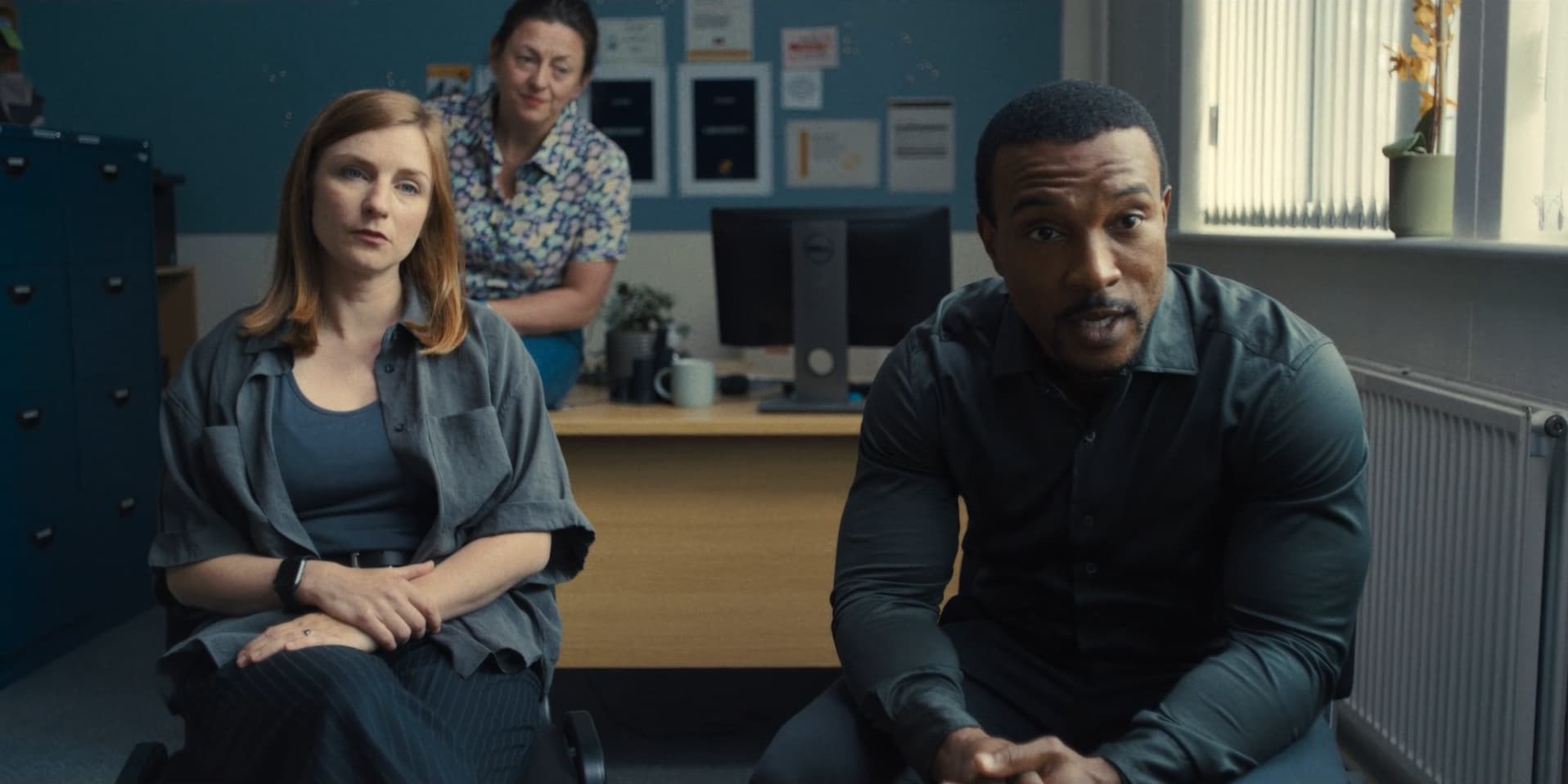
Stephen Graham is extraordinary as a father trying to process the unprocessable, while Owen Cooper walks into his first major role and goes toe-to-toe with actors who've been doing this for decades. But the real knockout comes in the two-hander between Cooper and Erin Doherty's psychologist — a suffocating conversation that plays less like television and more like watching two people slowly smash each other open.
What makes Adolescence hit so hard is that it refuses easy answers. It never turns into a lecture about "kids these days," but it doesn't let the adults off the hook either. Instead, it sits in the confusion, fear, guilt, and helplessness of modern adolescence — especially in a world where kids can disappear behind a bedroom door and drift into places their parents can no longer reach.
By the finale, the mystery matters far less than the wreckage left behind. Witch it.
The Rundown
Performances
Stephen Graham and Owen Cooper absolutely wreck you. Erin Doherty's interrogation-room episode is an all-timer, turning quiet conversation into carnage.
What You Come Here For
Emotional devastation, long one-takes, crushing performances, and the growing horror of realizing nobody really understands what happened.
Best Episode
"Episode 3" (S1E3) — the psychologist session. One room, two people, and enough tension to make your stomach hurt.
Weak Spots
The single-take gimmick calls attention to itself early before the performances fully take over.
Pair With
We Need to Talk About Kevin, Mare of Easttown, The Killing.
What Our
Ratings Mean
Learn More →The Heroes: These are the shows that change the game. The ones that stay with you and we'll recommend over and over.