
Marquee
TV Series

Marquee Guide

The Marquee 50

Cancel Your Dinner Plans.

Filters

Commitment

Rating

Ever cleared a whole night for a show and thought, "You know what would be great? Six episodes of mid"? Of course not. Most "best of" lists are bullshit. Either someone got paid, the writer's grading on a curve, or the tomatoes are rotten — you know a 6 out of 10 means fresh, right? This isn't that.

These are the highest-rated shows on Marquee — the ones we'd cancel plans for, rewatch on a flight, and force on friends until they finally caved. Anything is fair game: prestige dramas, dumb-fun comedies, animated weirdness, true crime that earned the hype, and the occasional show we still won't shut up about. Every platform has its hottest new releases and its untouchable classics. These are the ones we'd bet our taste on.

The Marquee 50, Explained

This list is the whole point. The 50 highest-rated shows on Marquee — the ones we'd vouch for to anyone who asked. Most people aren't going to watch 50 shows this year. So if you're going to spend your limited hours on something, spend them on these. We watch new things every week and update the list when something earns its spot. No padding to hit 50. No nostalgia keeping shows here because they used to matter. Everything here still earns its place.

The Drop
Watch List
Marquee 50
What Our Scores Mean

The Heroes: These are the shows that change the game. The ones that stay with you and we'll recommend over and over.

Why You Should Trust Us
We watch everything ourselves. No PR screeners. No affiliate deals shaping recommendations. No algorithm deciding what gets featured. If it's here, we put it here — because we think it's worth your time.

The Shows

1
Andor
9.3

Andor

Sci-Fi|Disney+

For those of you eye-rolling at another Star Wars spin-off… park your cynicism and roll back your ocular devices.

2
Fargo
9.3

Fargo

Crime|Hulu

Turning Fargo into a TV series sounds like the kind of idea that ends with everybody involved doing a press apology tour.

3
Severance
9.2

Severance

Sci-Fi|Apple TV+

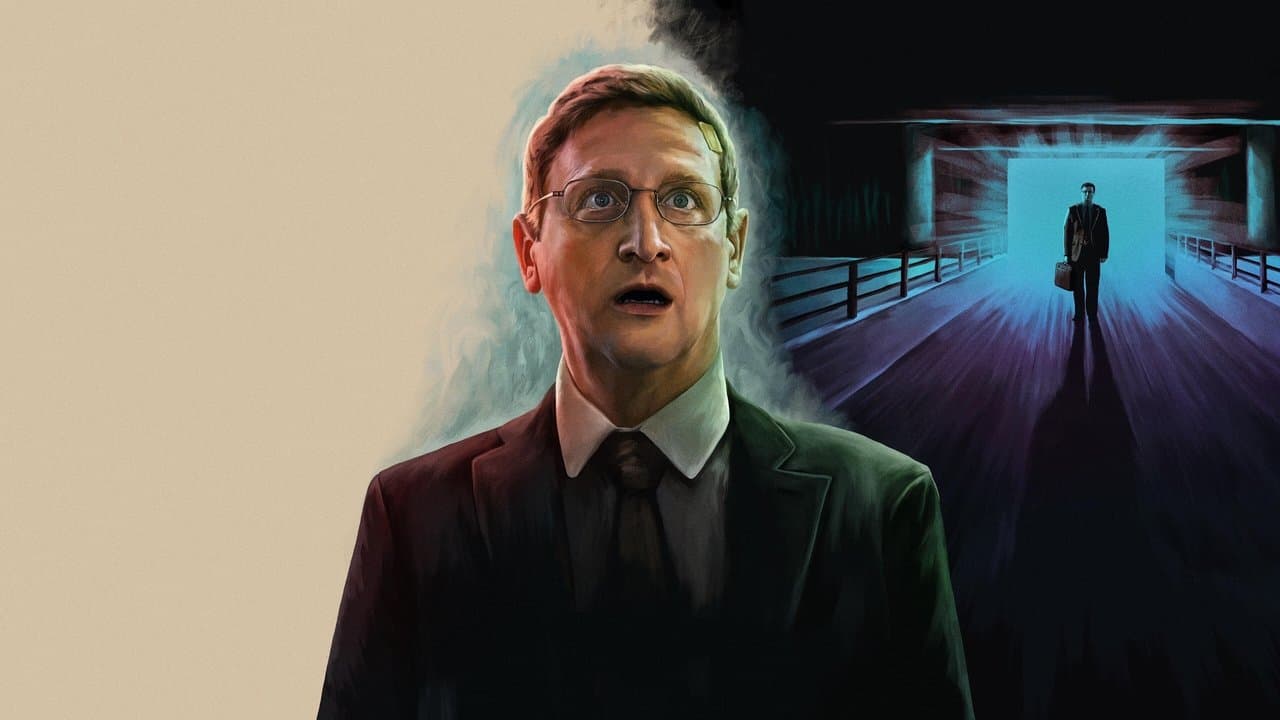
Anyone who's ever had a job has probably fantasized about shutting that part of their brain off entirely.

4
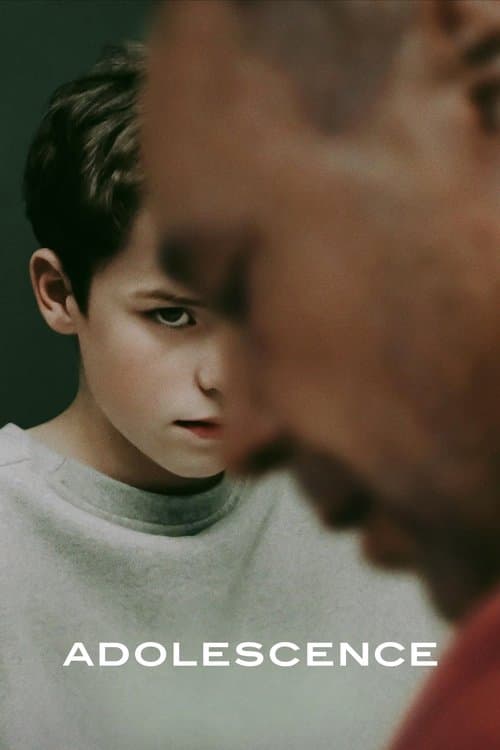
Adolescence
9.2

Adolescence

Crime|Netflix

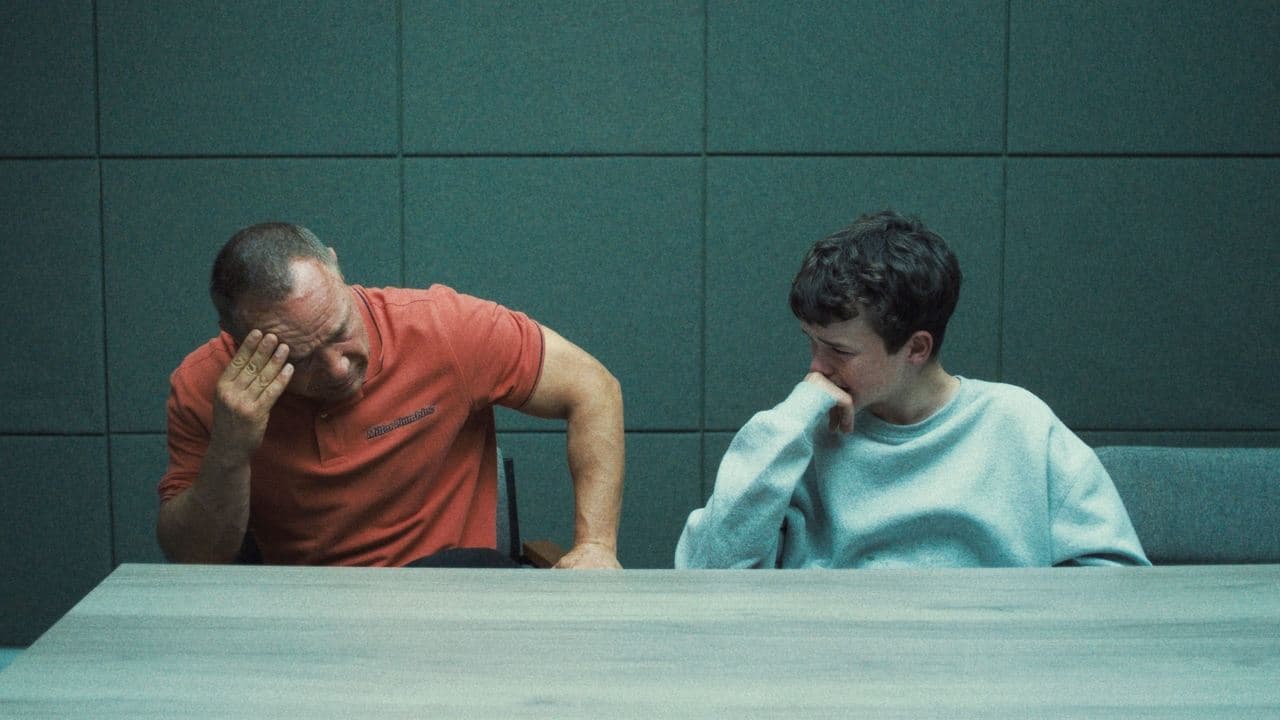
A four-episode bludgeoning that became one of the biggest cultural conversations of 2025 — and refuses to let anyone off the hook.

5
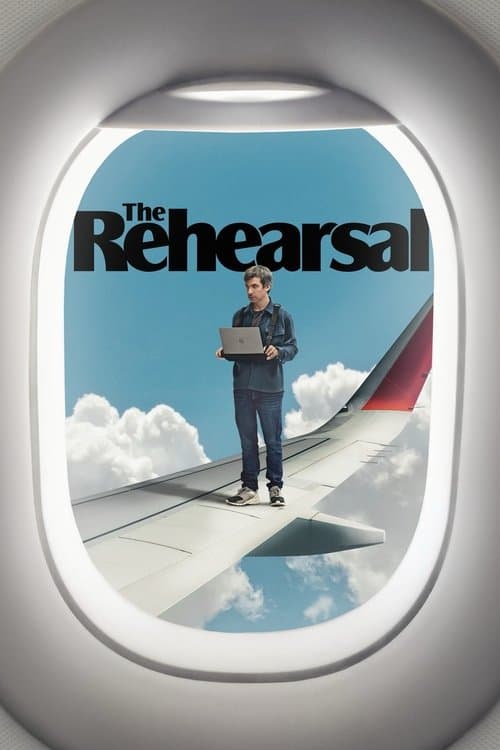
The Rehearsal
8.8

The Rehearsal

Dark Comedy|HBO

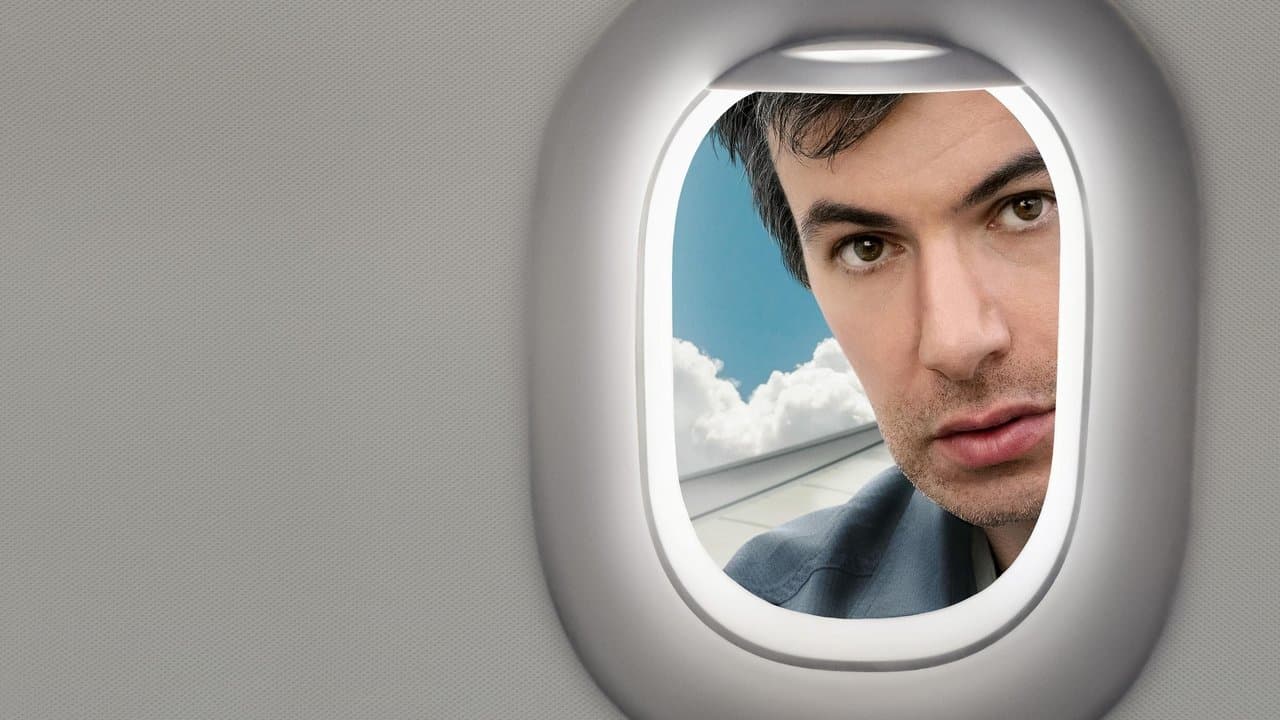
Nathan Fielder helps ordinary people prepare for difficult moments in their lives.

6
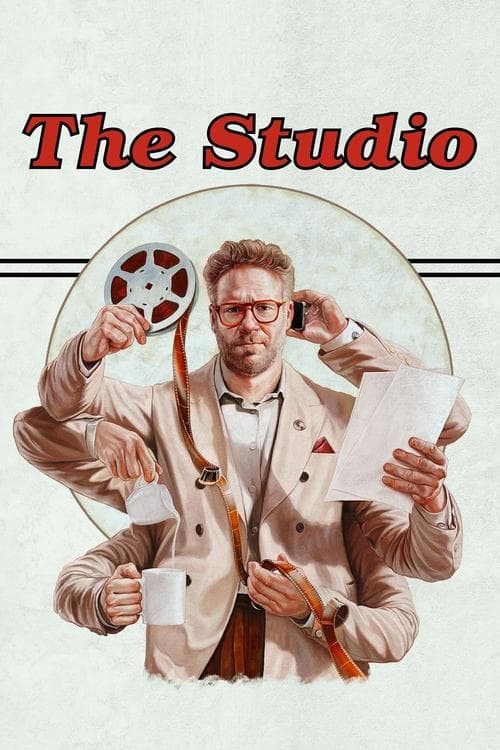
The Studio
8.8

The Studio

Drama|Apple TV+

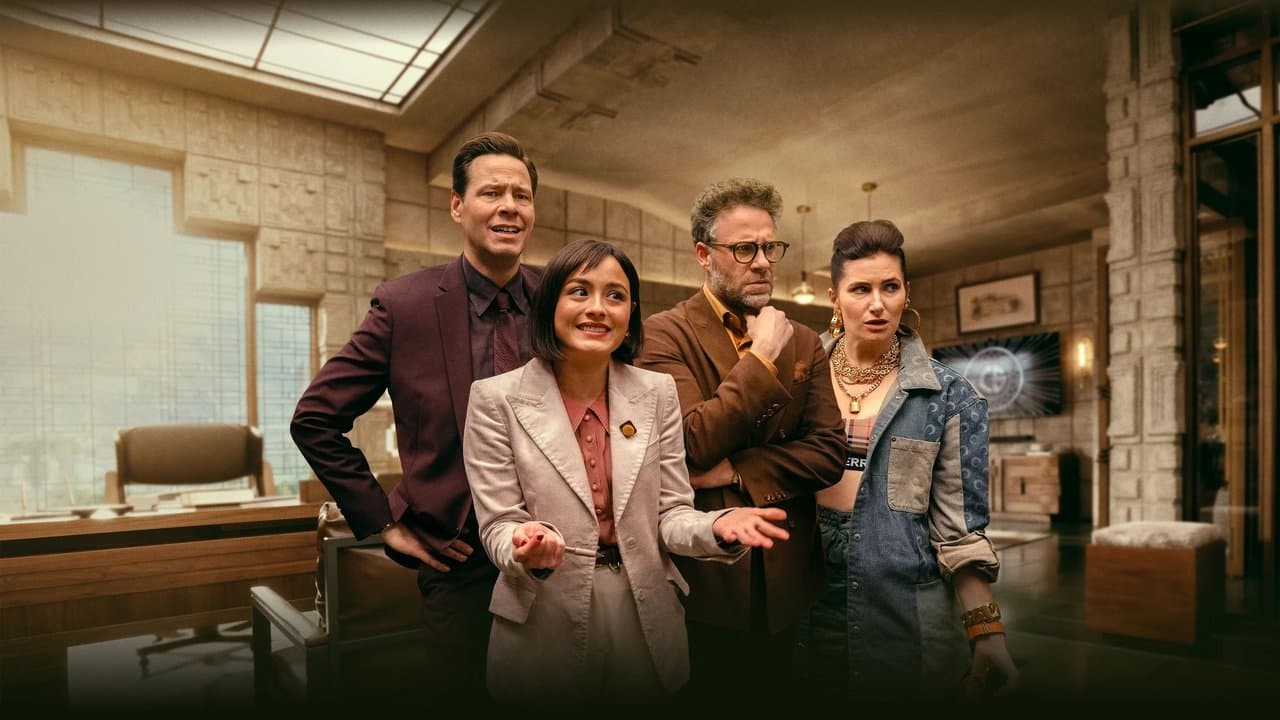
Take Hollywood, stick it on a spit, and crank up the flame.

7
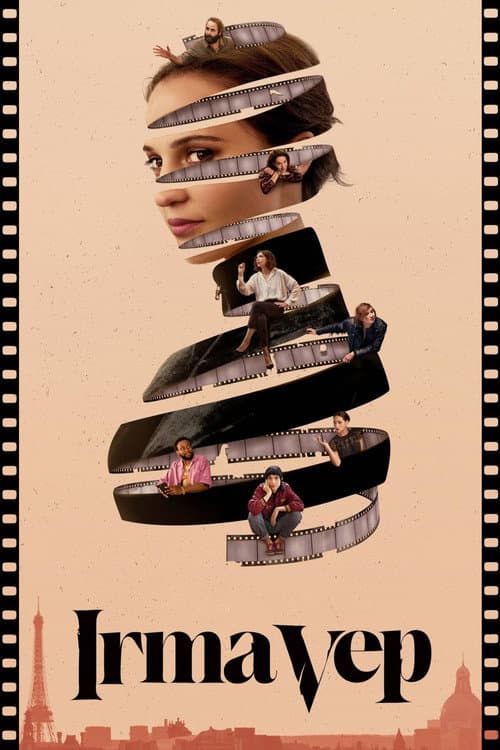
Irma Vep
8.5

Irma Vep

Drama|HBO

One of the strangest and most hypnotic shows in recent memory — the kind you immediately text your artsy friend about.

8
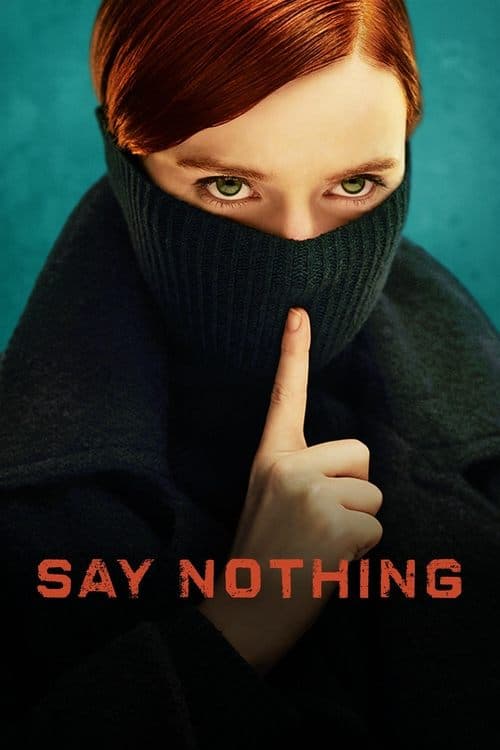
Say Nothing
8.5

Say Nothing

Historical|Hulu

We threw this on casually and lost an entire night to it — Say Nothing earns every hour.

9
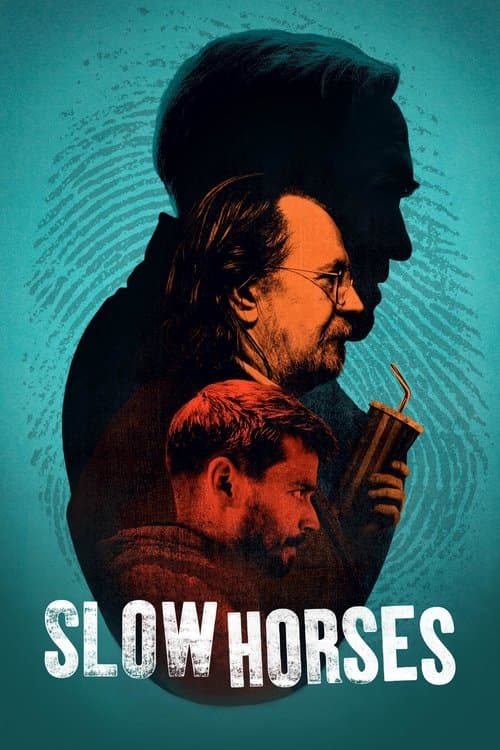
Slow Horses
8.4

Slow Horses

Spy Thriller|Apple TV+

Most spy shows want to be taken as seriously as type 2 diabetes.

10
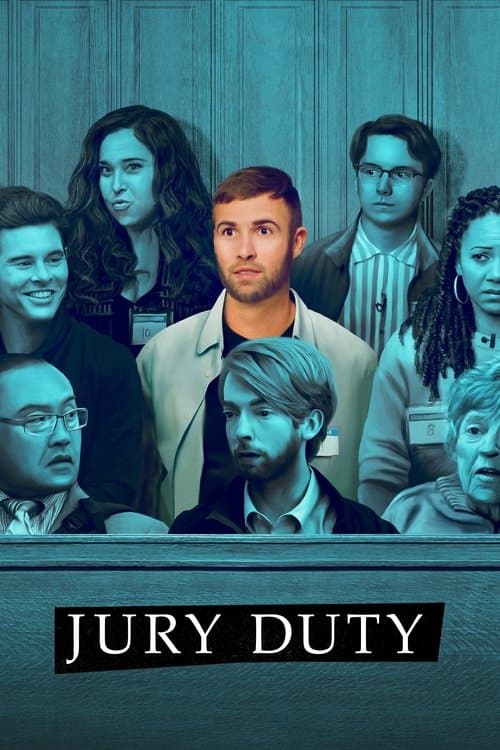
Jury Duty
8.4

Jury Duty

Comedy|Amazon Prime Video

One real juror trapped inside a completely fake trial — the whole thing only works because Ronald Gladden is the most decent man alive.

11
The Pitt
8.4

The Pitt

Medical Drama|HBO / Max

There's no shortage of medical dramas on television.

12
Task
8.4

Task

Crime|HBO

Peak Sunday-night HBO — heavy, adult, and designed to make you feel slightly guilty for enjoying how miserable everyone is.

13
Beef
8.3

Beef

Dark Comedy|Netflix

Road rage as blood sport — two seasons of people torching their own lives, and you somehow understand every terrible decision.

14
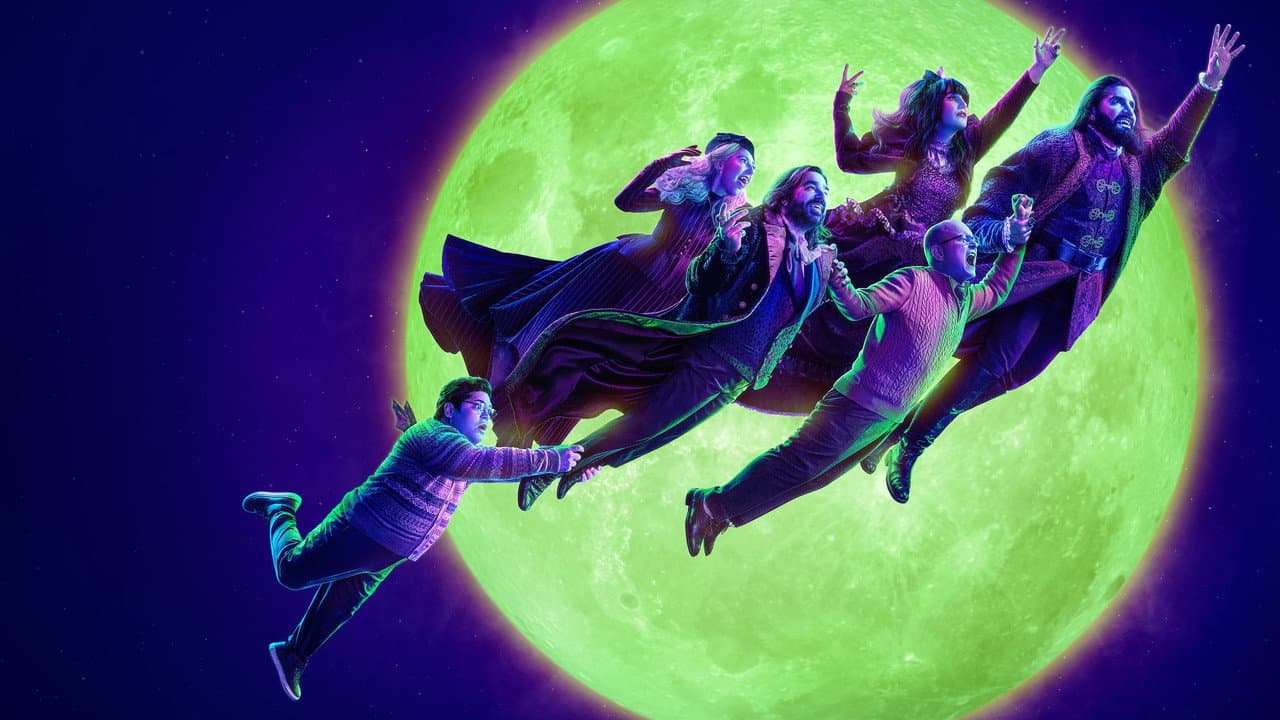
What We Do in the Shadows
8.1

What We Do in the Shadows

Comedy|Hulu

The funniest question Gothic mythology never thought to ask: what if vampires were just deeply annoying roommates?

15
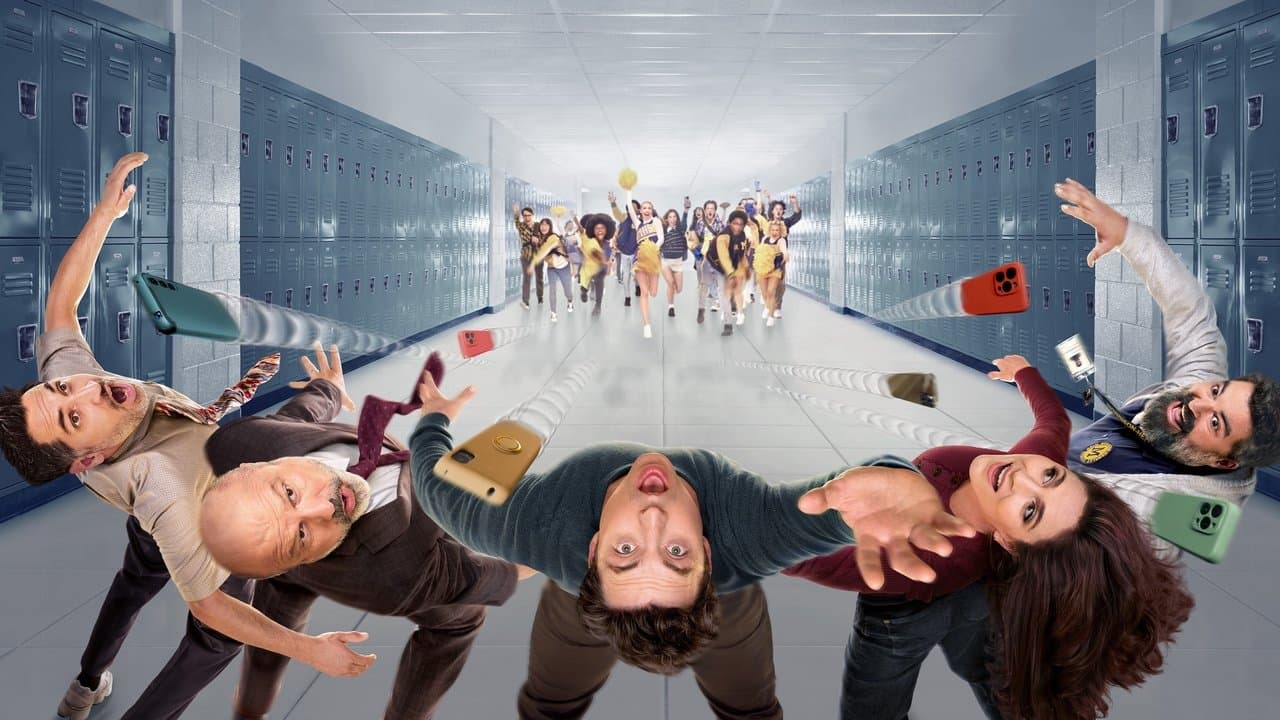
English Teacher
8.0

English Teacher

Comedy|FX

A refreshing workplace comedy — not background noise funny, actual laugh-out-loud funny.

16
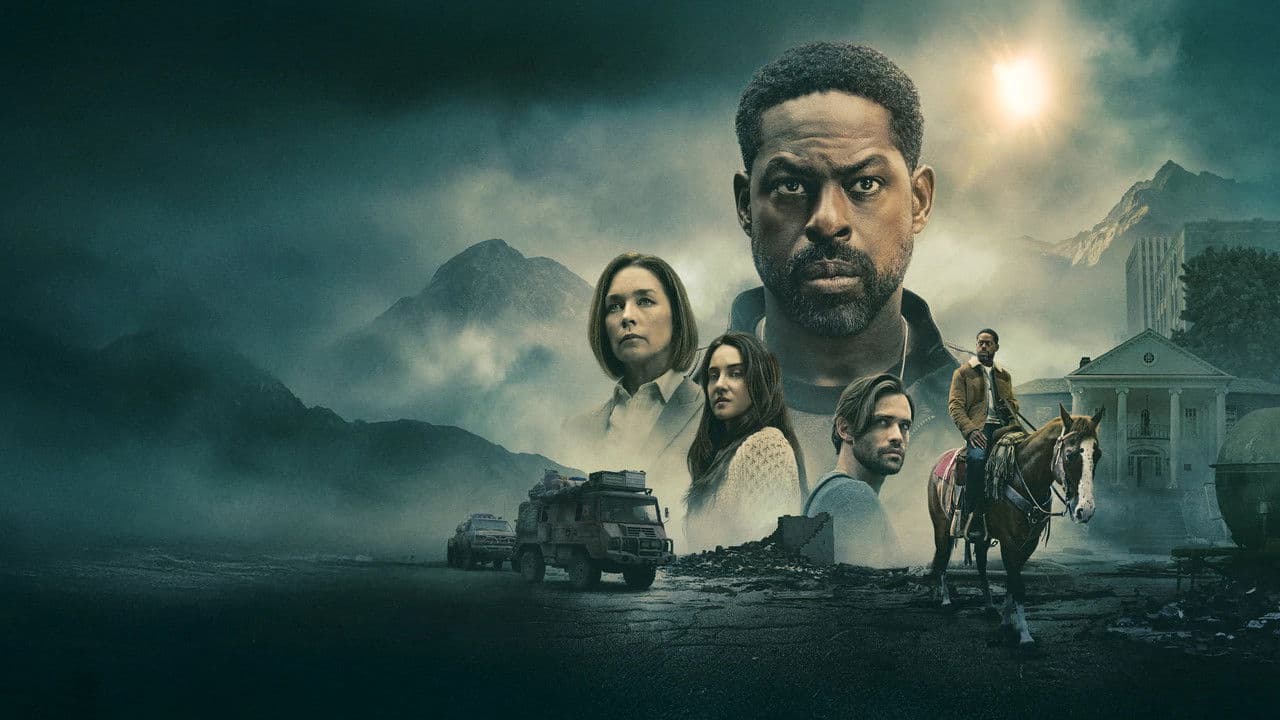
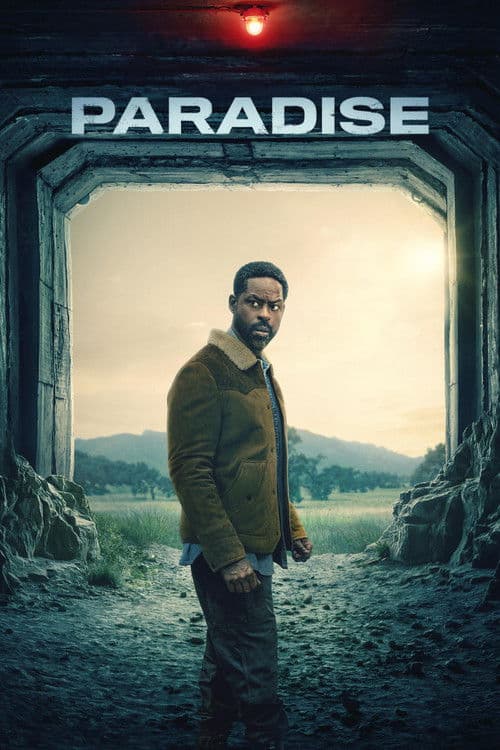
Paradise
8.0

Paradise

Thriller|Hulu

Plenty of things come to mind when you hear "Paradise" — beaches, mai tais, wherever DiCaprio's on a yacht — but dystopian murder mysteries probably aren't one of them.

17
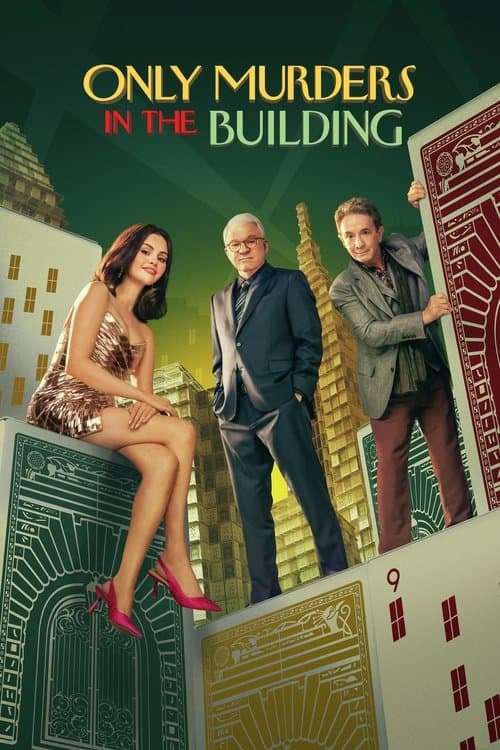
Only Murders in the Building
7.8

Only Murders in the Building

Comedy|Hulu

Comfort TV with a body count — you're not here for the mystery, you're here to hang out with the gang.

18
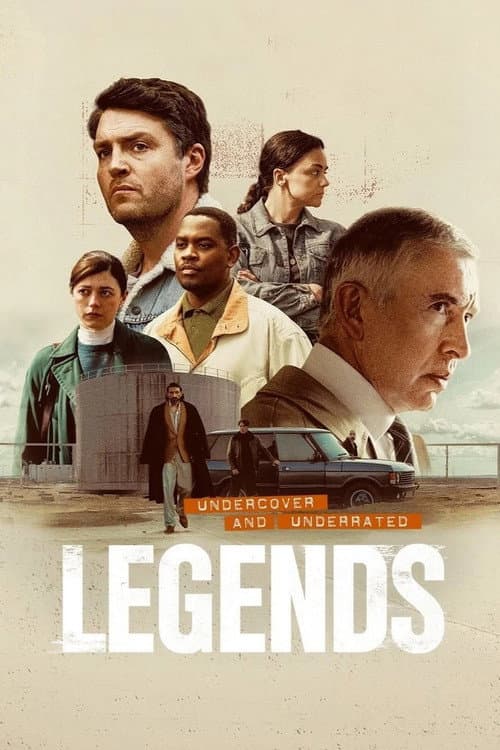
Legends
7.7

Legends

Crime|Netflix

Netflix quietly dropped this one — a grimy true-crime binge that morphs into a 'just one more episode' trap before you realize what happened.

19
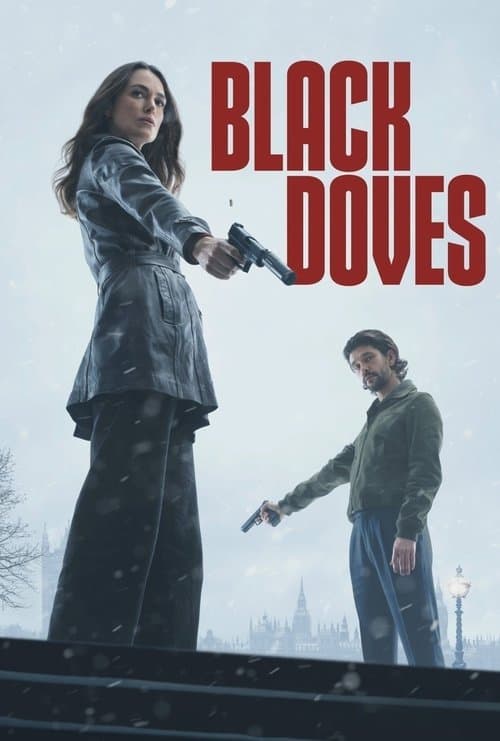
Black Doves
7.5

Black Doves

Spy Thriller|Netflix

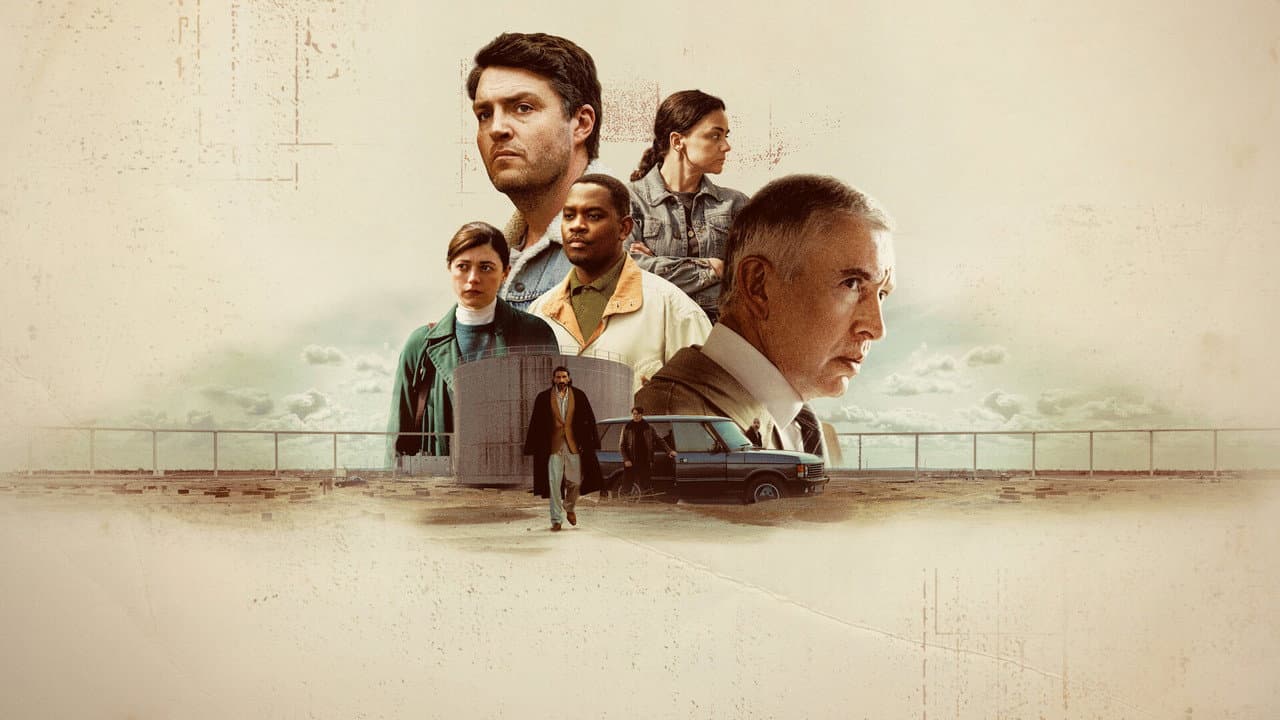
Spies, Christmas in London, Kiera Knightly knocking heads — we're in.

20
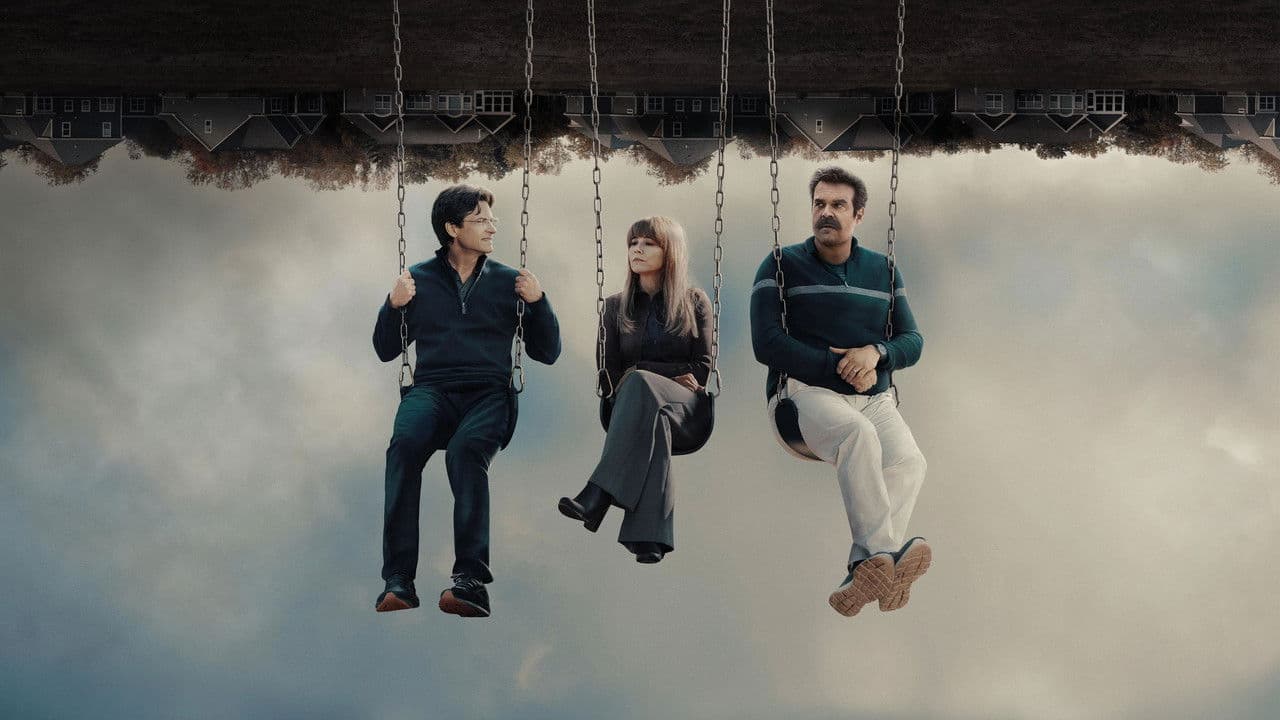
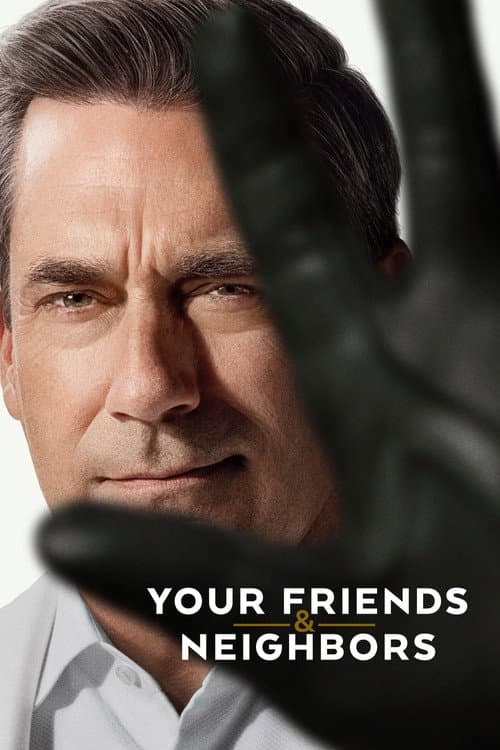
Your Friends & Neighbors
7.4

Your Friends & Neighbors

Drama|Apple TV+

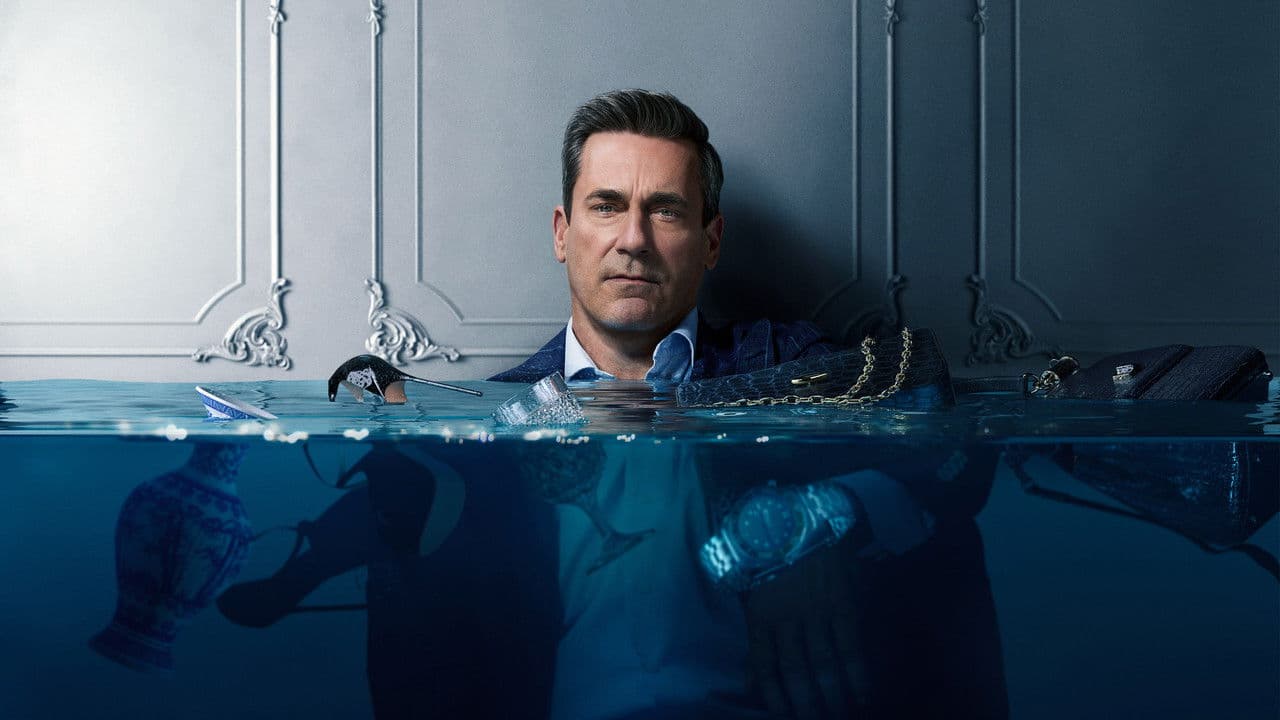
Jon Hamm quietly robbing his ultra-wealthy neighbors to maintain the illusion — glossy, fun, and closer to Billions than Succession.

21
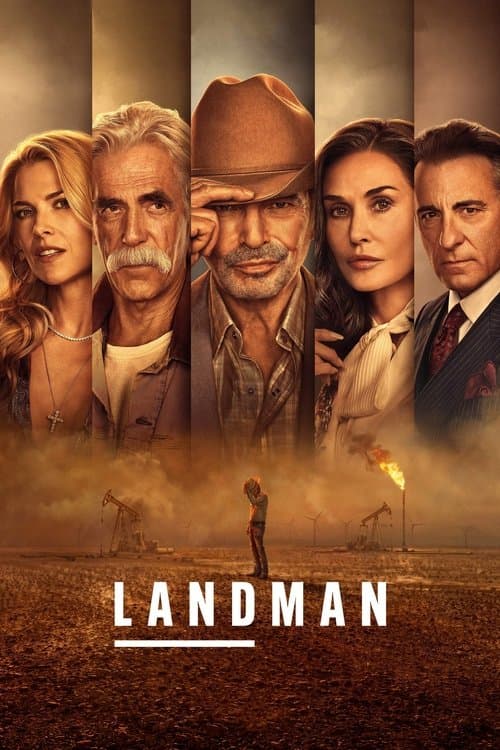
Landman
7.3

Landman

Drama|Paramount+

Ridiculous in all the ways Taylor Sheridan can't help but be — but Billy Bob Thornton verbally dismantles everyone in his path, and for some that's enough.

22
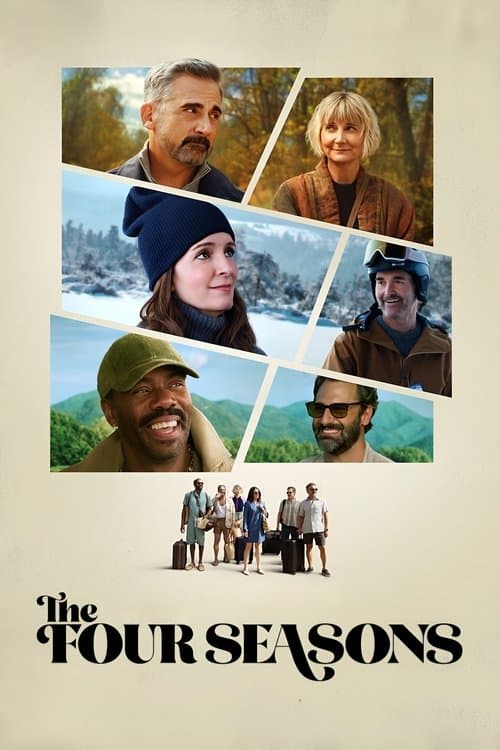
The Four Seasons
7.2

The Four Seasons

Comedy|Netflix

We found this on a hotel TV, expected easy company, and got something genuinely better.

23
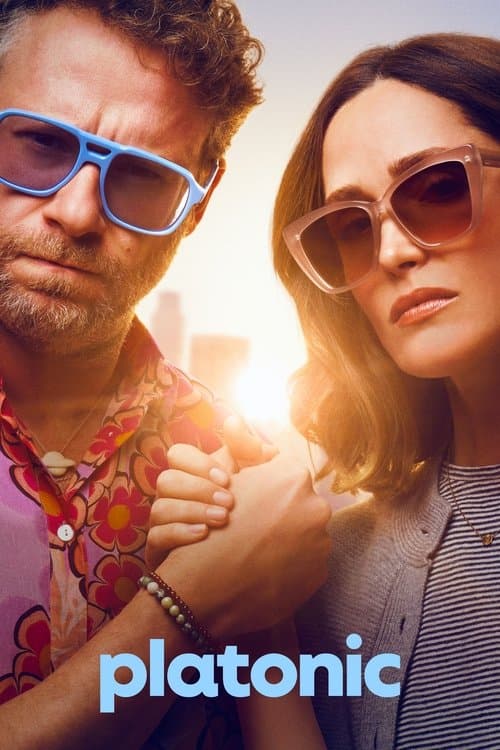
Platonic
7.1

Platonic

Comedy|Apple TV+

Seth Rogen and Rose Byrne are ridiculously watchable together — this one's much easier to like than love.

24
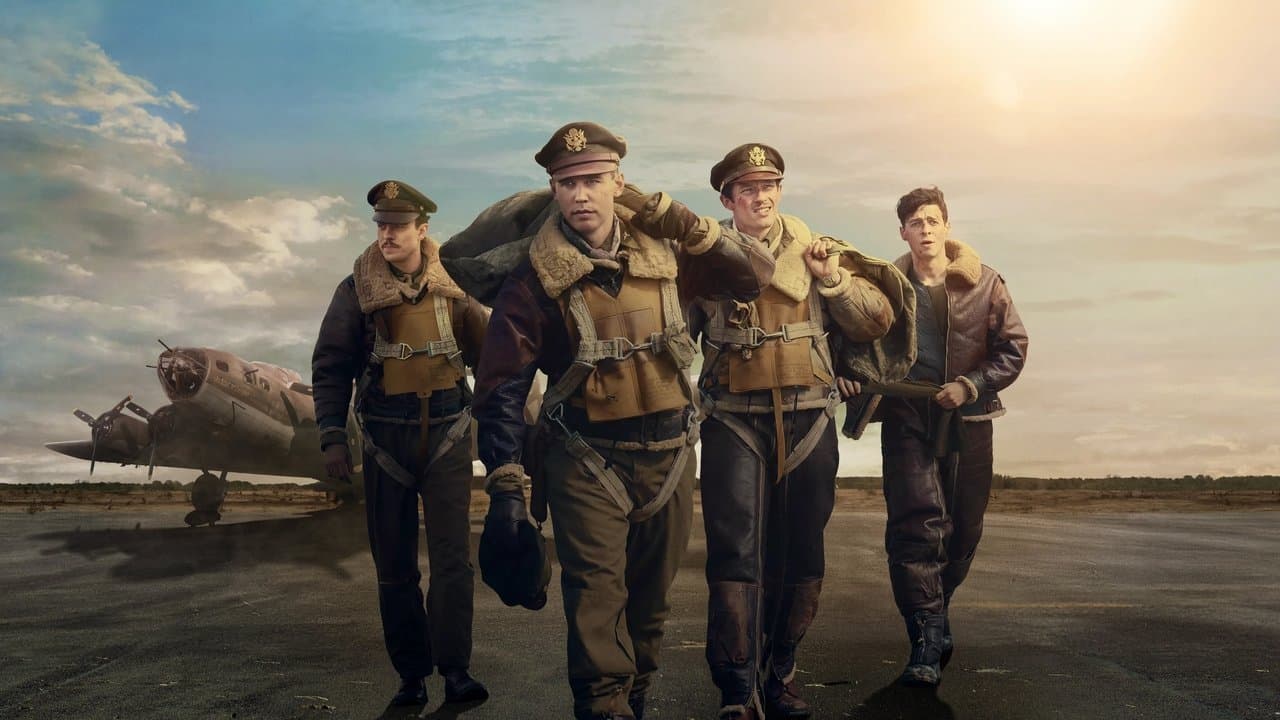
Masters of the Air
6.8

Masters of the Air

Drama|Apple TV+

A spectacular WWII epic with a stacked cast and a shadow it can't escape: every scene reminds you of Band of Brothers.

25
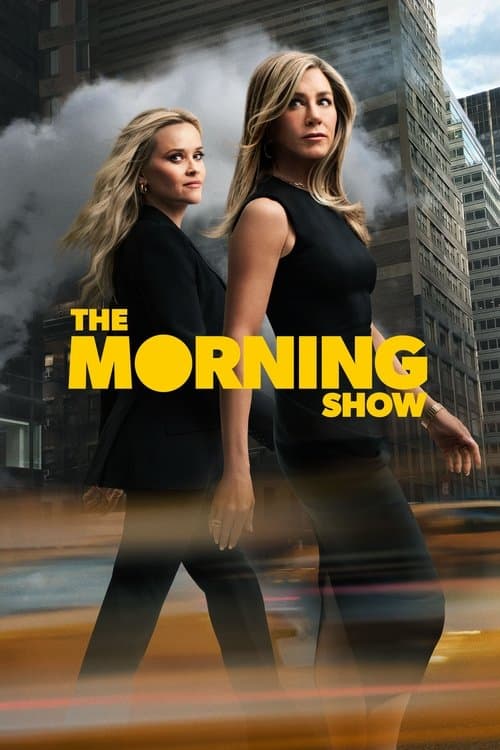
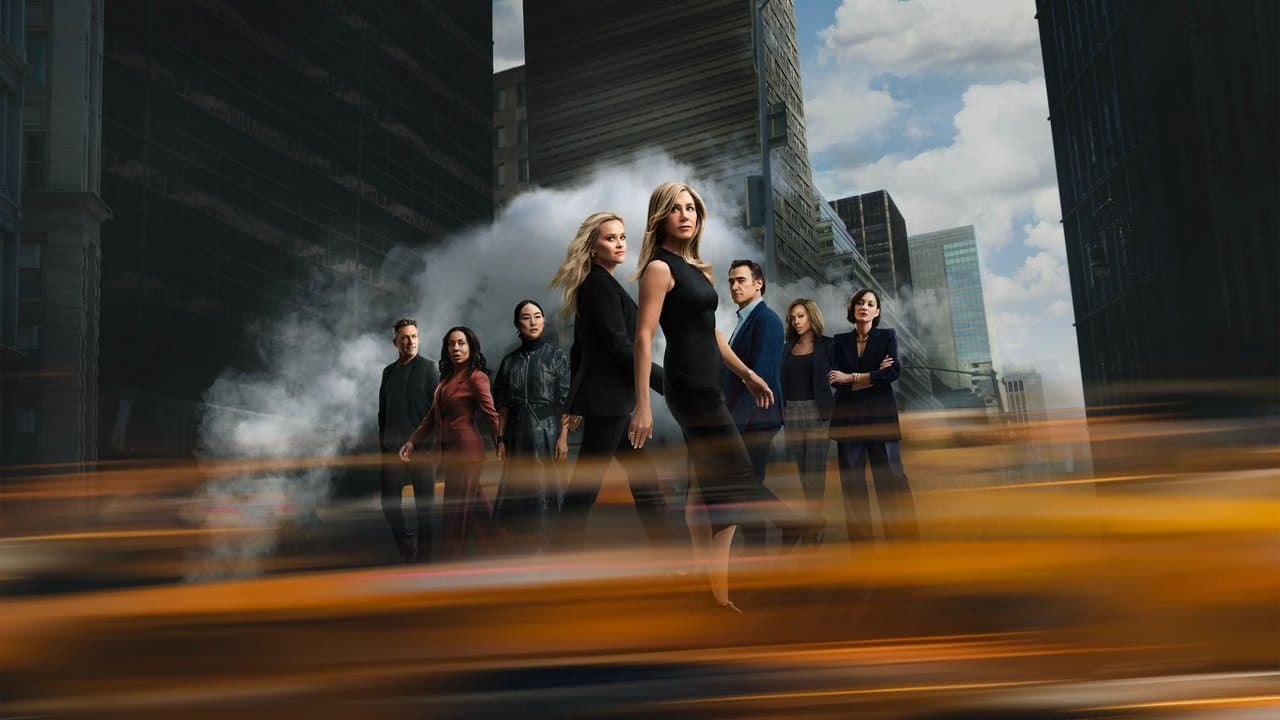
The Morning Show
6.8

The Morning Show

Drama|Apple TV+

Three seasons in, The Morning Show increasingly feels like an echo chamber with Emmy-winning lighting.

26
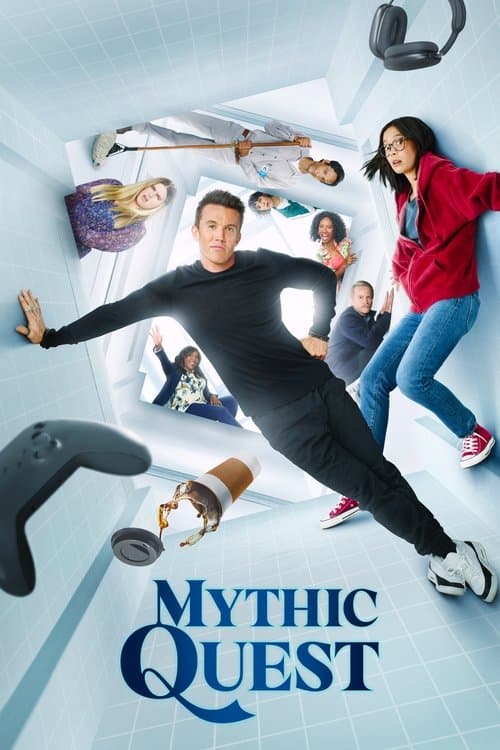
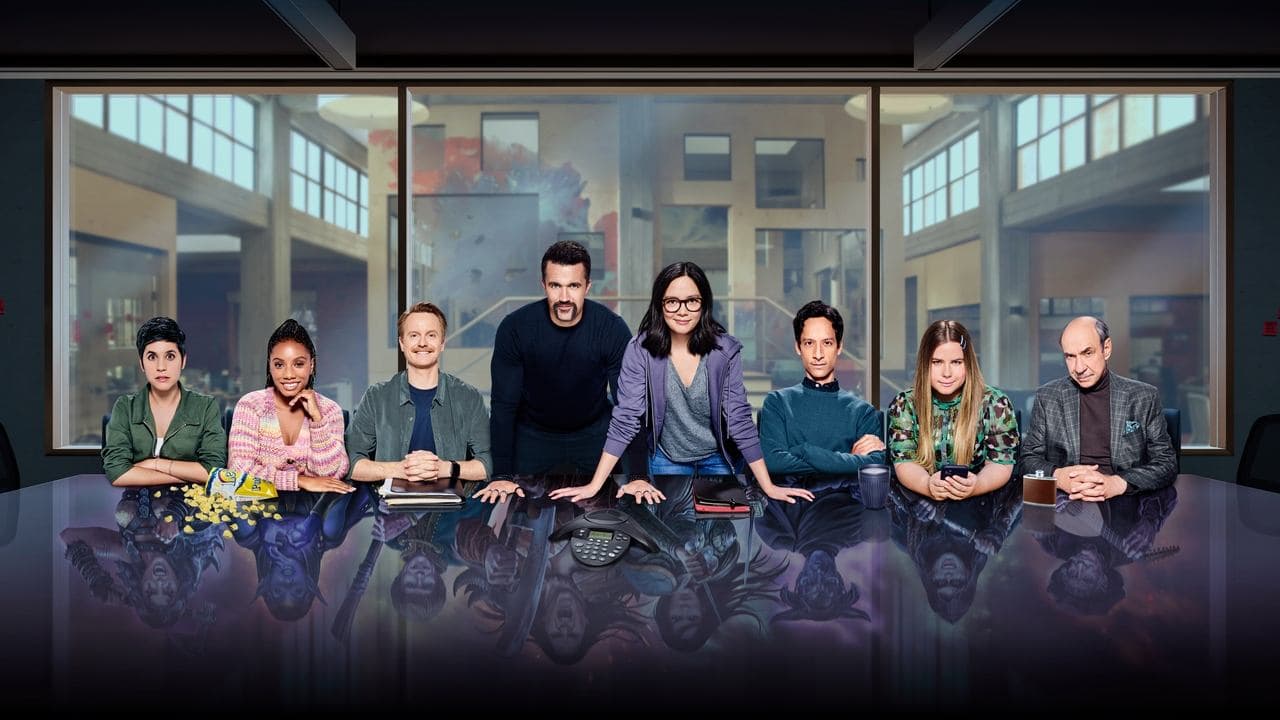
Mythic Quest
6.8

Mythic Quest

Comedy|Apple TV+

Rob McElhenney weaponizes narcissism for laughs — Mythic Quest has the bones of something great and never quite gets there.

27
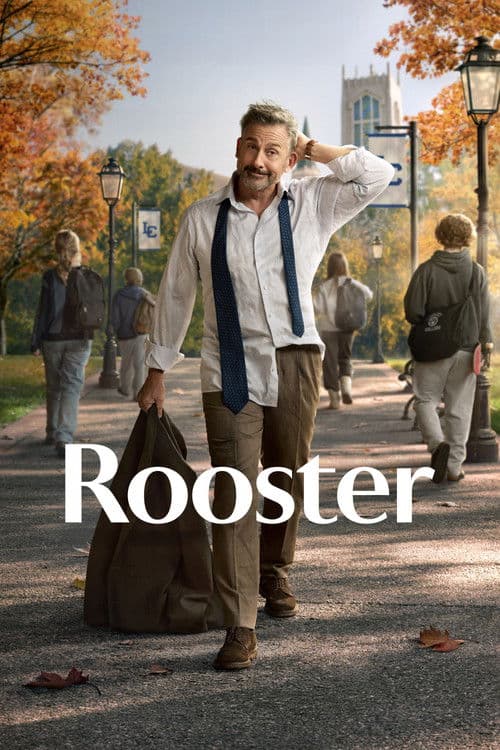
Rooster
6.8

Rooster

Dramedy|HBO

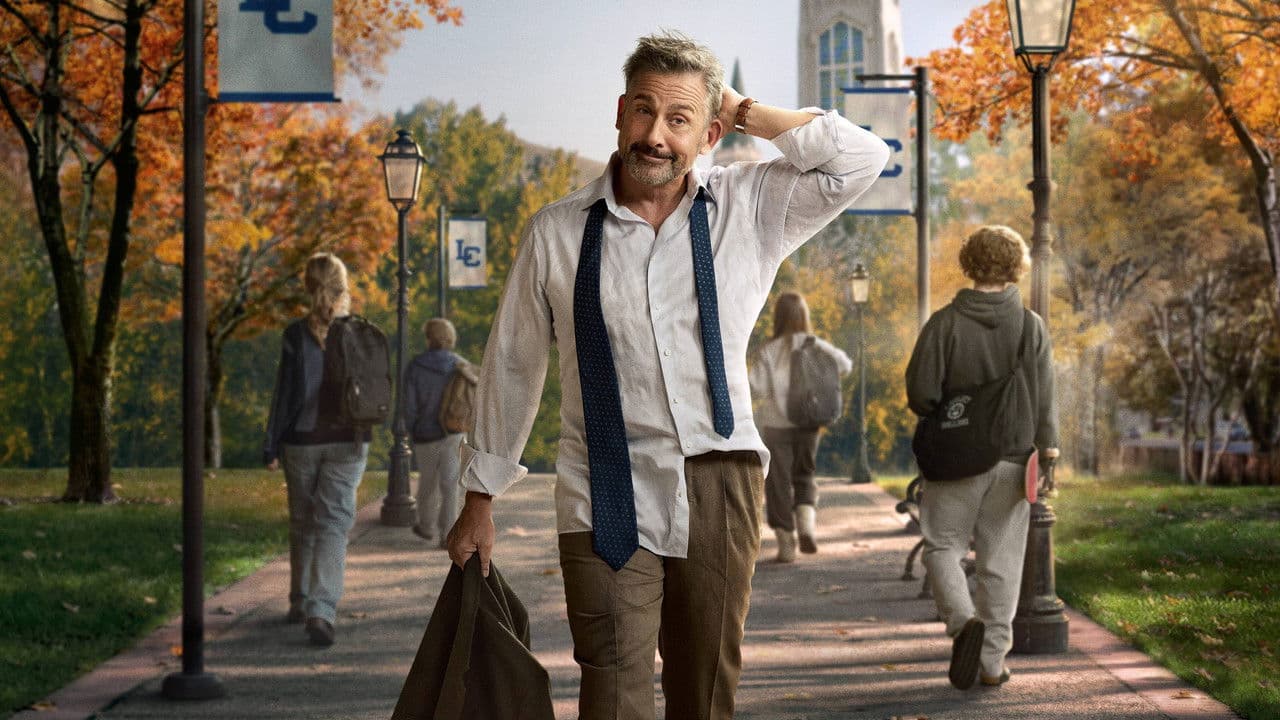
Steve Carell doing his sad-dad thing on a New England campus — warm and easy, never quite sure what show it wants to be.

28
Disclaimer
6.5

Disclaimer

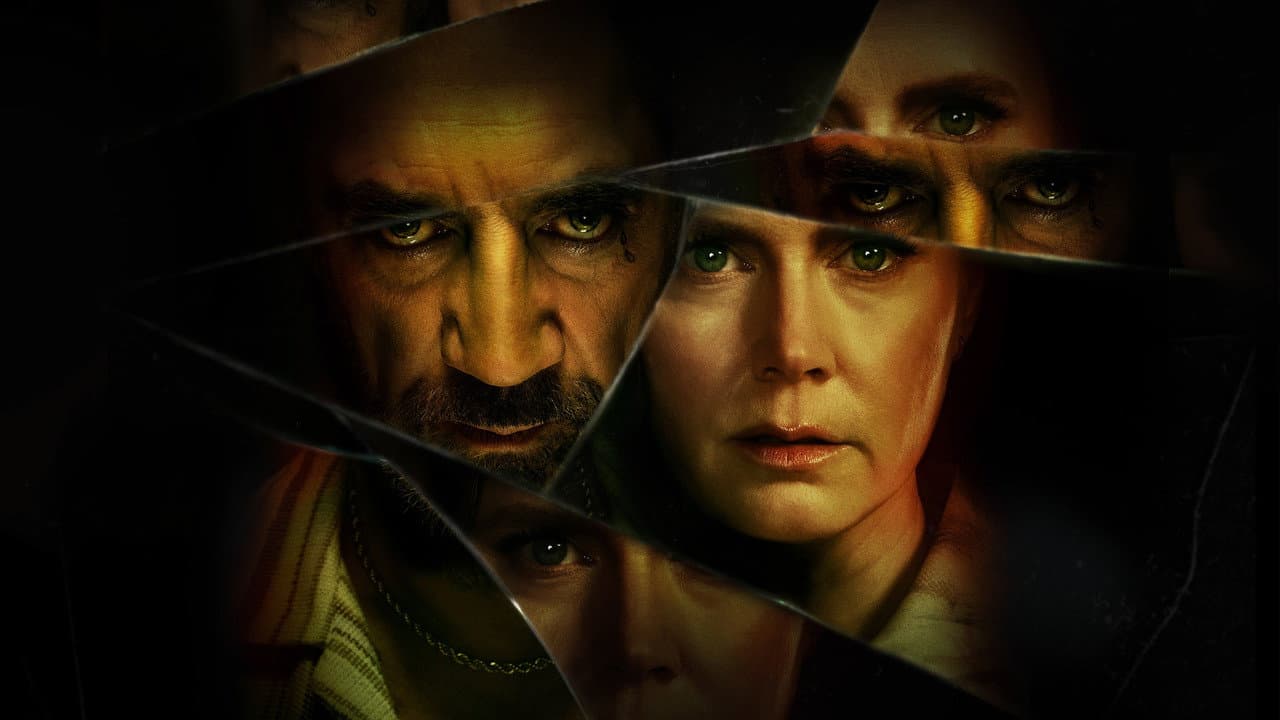
Thriller|Apple TV+

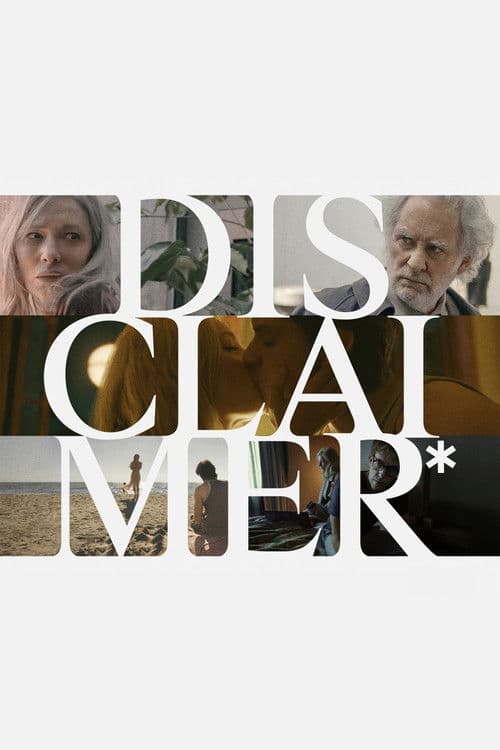
Visually stunning and frustratingly cold — sitting through a stunningly photographed dinner party where everyone hated being there.

29
Untamed
5.8

Untamed

Crime Thriller|Netflix

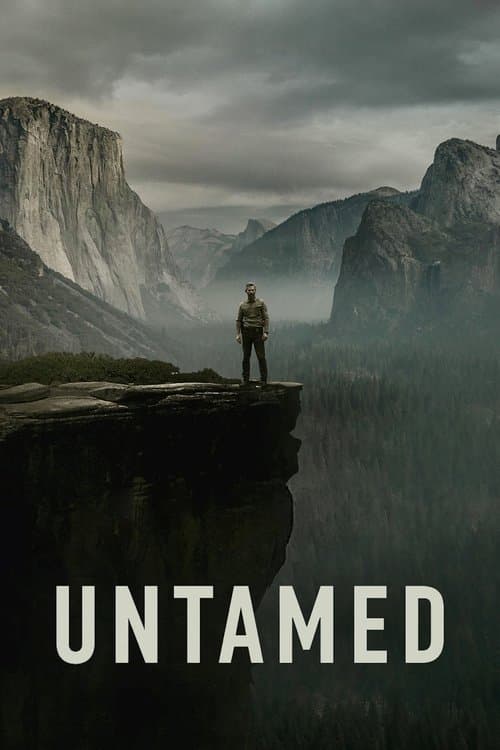
Untamed opens with one hell of a hook.

30
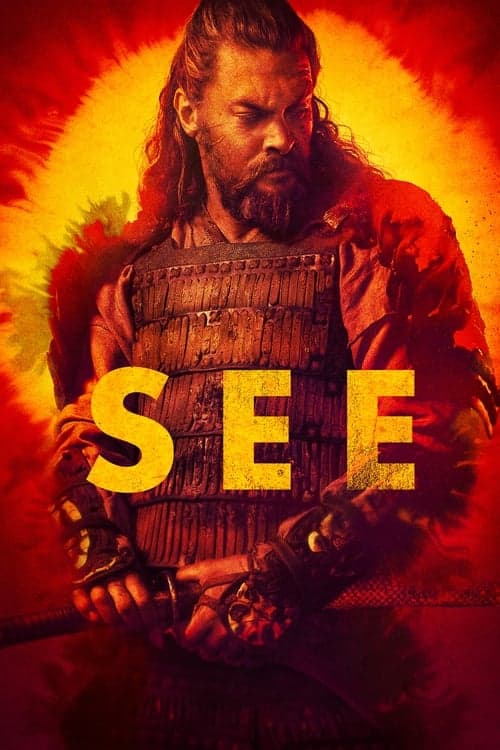
See
5.2

See

Sci-Fi|Apple TV+

The trailer looked insane.

Series|Sci-Fi·Political Thriller|Disney+

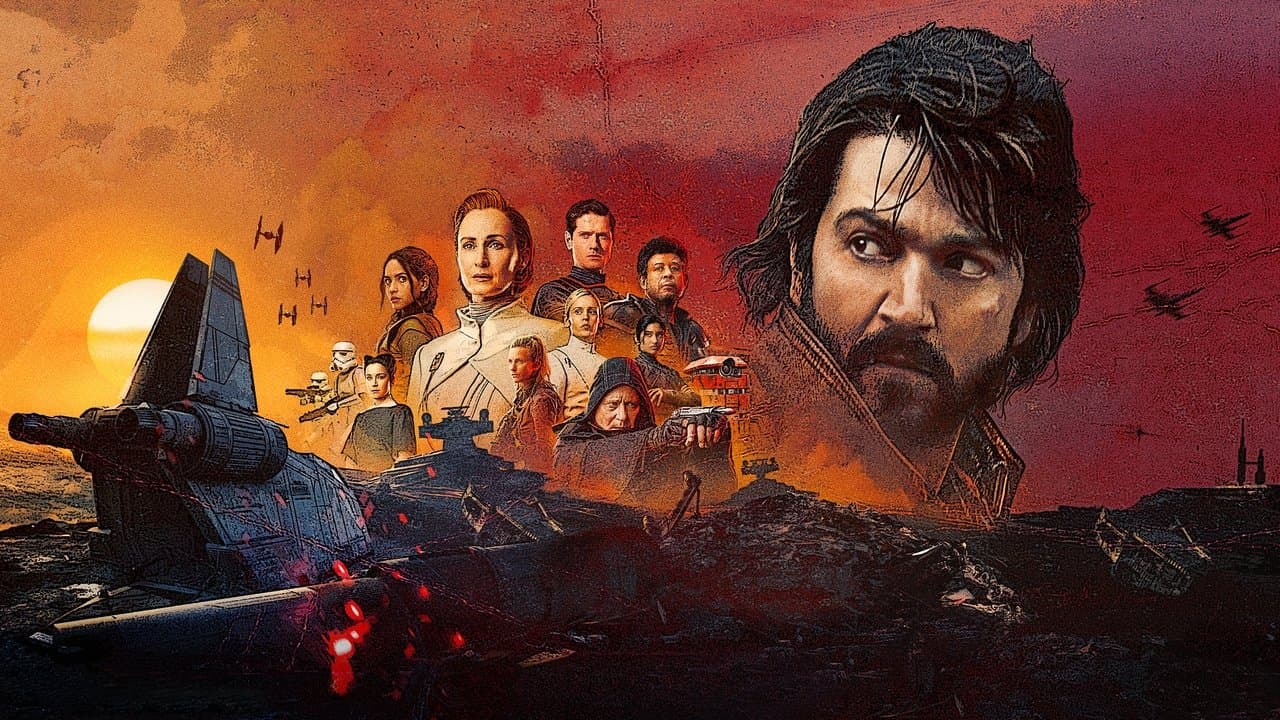
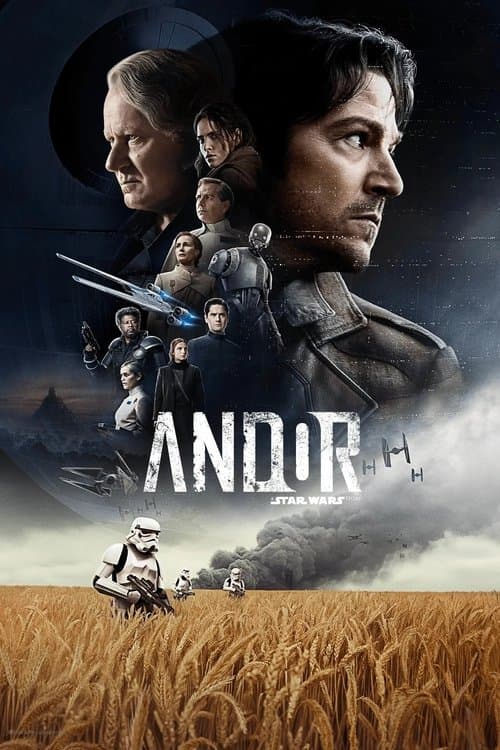
For those of you eye-rolling at another Star Wars spin-off… park your cynicism and roll back your ocular devices. This one's different. It's not about Jedi or lightsabers. It's about thieves, spies, senators, and ordinary people slowly realizing rebellion isn't a moment — it's a machine built one sacrifice at a time. At the center is Cassian Andor, a small-time crook who didn't sign up to be a revolutionary and isn't sure he wants to be one. Originally planned for five seasons, Andor was condensed to two. The result is lean, ruthless, and complete — a top-tier spy thriller that stacks devastating performances and razor-sharp writing on a blockbuster budget. It's the best thing with a Star Wars logo on it in decades. You can thank Tony Gilroy — the guy who gave us Michael Clayton and The Bourne Identity — and who also once said, out loud, that he wasn't a Star Wars fan. Which might be exactly why this works. Gilroy takes the most overexposed franchise in pop culture and strips it down to something radically human: politics, prisons, and the cost of resistance. No nostalgia bait or fan service. Just suspense and moral complexity — more The Wire than The Rise of Skywalker. Watching Andor feels like stepping behind the scenes of a revolution. Season 1 thrives in the methodical grind of smugglers, organizers, rich donors, and middle-management Imperials all getting pulled into the same tightening vise. It's dark, deliberate, and controlled — until everything blows. Season 1 is brilliant. Season 2? Mythic. Every episode hits. Brandon Roberts's score turns rebellion into something downright operatic. When the back half kicks in, it plays like a stadium show where the band refuses to leave the stage — banger after banger after banger – it all crescendos into a finale so breathtaking, the Ghorman Anthem will be humming in your head long after the credits roll. Andor redefines what a franchise spinoff can be: smart, ambitious storytelling that trusts its audience. Turns out you don't need Jedi, lightsabers, prophecies, or space wizards to make great Star Wars. You just need ordinary people fighting fascists. Watch it.

Andor
9.3

Series|Crime·Dark Comedy|Hulu

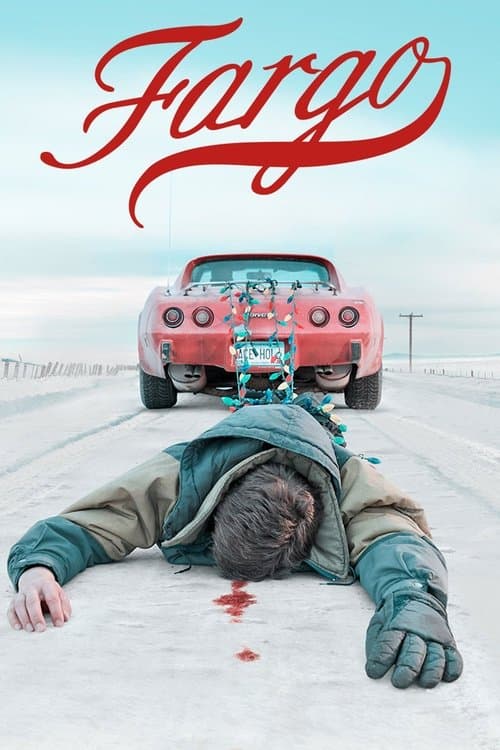
Turning Fargo into a television series sounds like the kind of idea that ends with everybody involved doing a press apology tour five years later. The Coen brothers' original film is one of those beloved lightning-in-a-bottle creations with such a specific tone — violent, absurd, weirdly wholesome — that trying to recreate it feels borderline suicidal. Which is why Fargo being this good still feels miraculous. Created by Noah Hawley, Fargo pulls off the impossible: Instead of living in the shadow of the original movie, it builds an entire universe around it. Anthology-style. Every season resets the board with new characters, new crimes, new timelines, and new flavors of Midwestern calamity. But the worldview stays intact: decent ordinary people collide with greed, violence, fate, and criminals who wander into town like demons sent to test humanity. Season one, led by Martin Freeman and Billy Bob Thornton, sticks closest to the original film's DNA. A spineless insurance salesman makes one terrible decision and watches his life unravel at the hands of a mysterious drifter who treats murder like a hobby. Meanwhile, a small-town cop is left trying to make sense of the growing chaos. Along the way there's a bloody hammer, a deaf hitman, a shootout in a whiteout, and by the end you'll wonder how a show about Minnesota nice could feel this biblical. Then season two blows the doors off the whole thing. Mob wars. Family feuds. UFOs. Kirsten Dunst turning a hit-and-run into an opportunity for personal growth. It's one of the best single seasons of television ever made. And she's hardly the only one. Every season is packed with unforgettable characters. Some are terrifying. Some are idiots. Most are both. That's what we love about Fargo. It doesn't pick a lane. While most other crime shows pick a tone and stay there. Fargo glides between genres like a Bolshoi ballerina without ever losing its taste for absurdity. Coincidences become destiny. Evil arrives wearing a smile. Ordinary people stumble into situations they're wildly unequipped to survive. Half the time the show feels less like a crime thriller and more like an American folk tale passed down around a frozen campfire — stories about bad luck, human weakness, and the exact moment a stranger walks into town and everything goes to hell. Fargo just keeps reinventing itself. Somewhere out there, another decent Midwesterner is about to meet exactly the wrong stranger. We can't wait. Watch it.

Fargo
9.3

Series|Sci-Fi·Thriller|Apple TV+

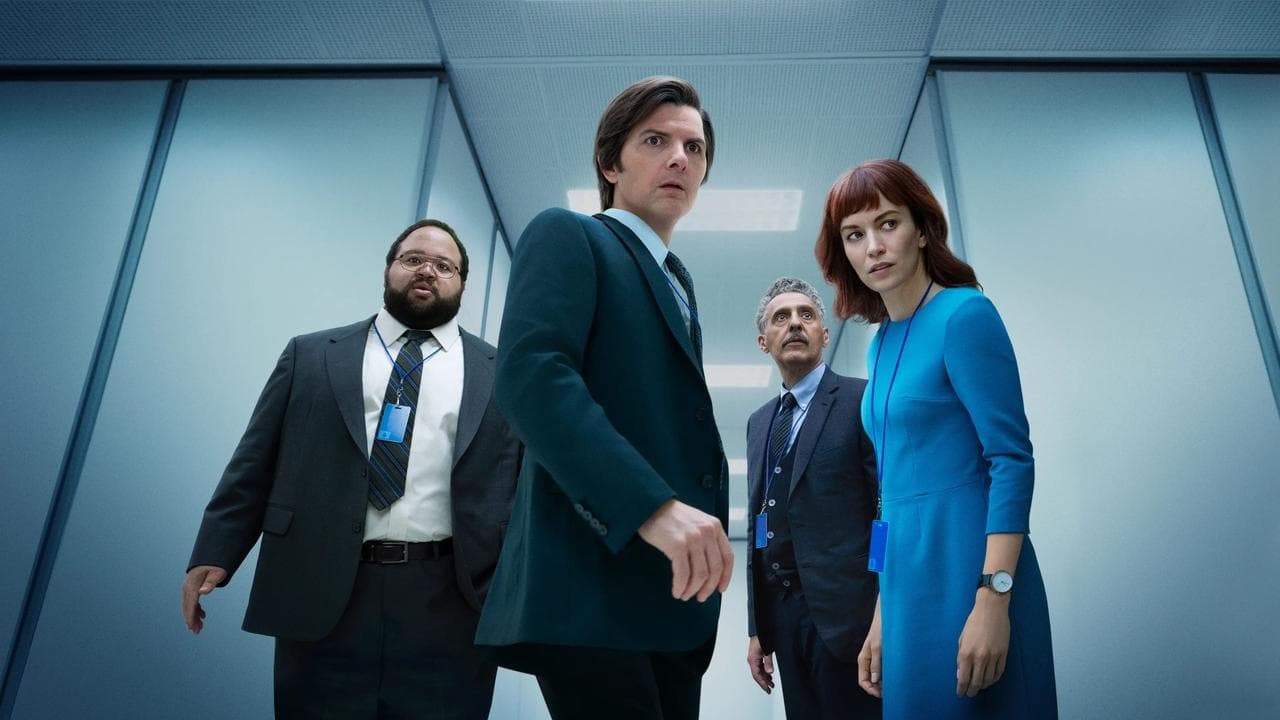
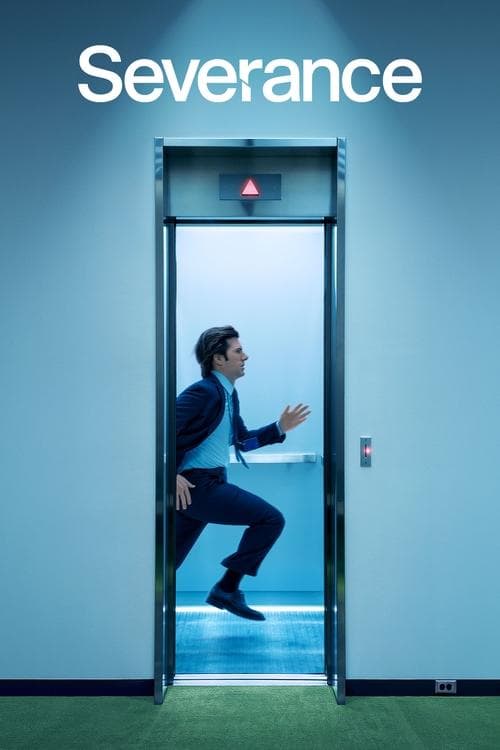
Anyone who's ever had a job has probably fantasized about shutting that part of their brain off entirely. Severance asks: what if you could? And what if the version of you stuck at work didn't agree to the deal? Equal parts workplace satire, psychological thriller, and corporate horror story, it makes The Office look like a team-building retreat. Severance is a show about identity – who we are at work, who we are outside of it, and what happens when those two people become strangers to each other. If they met, would they like what they see? The mystery hooks you. The obsession comes from trying to figure out if Lumon is a company, a cult, or something much weirder. Created by Dan Erickson and directed by Ben Stiller, Severance lands in the lineage of Lost-style mystery boxes and corporate-horror sci-fi like The Stepford Wives, but it doesn't feel borrowed from anything. The clean Lumon hallways. The eerie 1970s-corporate aesthetic. The deadpan office banter. Every aspect of the show feels intentional. Fair warning: Severance was an ordeal to get into. It took some of us three episodes — multiple times — but holy shit it's worth it. It's the kind of show that quietly takes over your life. You don't just watch it – you obsess over it, theorize about it, and accidentally bring it up at dinner three nights in a row. One minute you're watching awkward office romances and painfully sincere wellness sessions; the next it's marching bands, office disco parties, weird corporate rituals, and people wrangling sheep for reasons the show refuses to explain. You might not get it, but somehow, it all makes sense. Severance is one of the rare shows that earns obsession. Weird, funny, and completely absorbing. It's the kind of television that hijacks group chats and watercoolers for weeks. Watch it.

Severance
9.2

Limited Series|Crime·Limited Series|Netflix

Shows about "the youth today" usually fall into a few familiar lanes. There's the glossy coming-of-age comedy — Sex Education and its endless parade of teenage horniness. There's the Euphoria school of neon-lit debauchery with enough sex and drugs to make any parent seriously consider boarding school. We're here for both. Then there's Adolescence. A four-episode bludgeoning that became one of the biggest cultural conversations of 2025. It takes every headline about teenage boys, online radicalization, violence, and the parents caught in the blast radius and turns it into a waking nightmare. After a shocking act of violence, a family, a school, and an entire community are left scrambling to understand how a young boy got pushed toward something unimaginable. Each episode unfolds in extended single-takes, trapping you inside classrooms, interrogation rooms, and living rooms with nowhere to escape. At first, the single-takes almost feel distracting — the first episode practically dares you to notice how technically difficult everything is. But eventually you stop noticing the camera. The performances take over, and what started as a flex turns into something closer to live theater — except you're trapped onstage while everything falls apart around you. Stephen Graham is extraordinary as a father trying to process the unprocessable, while Owen Cooper walks into his first major role and goes toe-to-toe with actors who've been doing this for decades. But the real knockout comes in the two-hander between Cooper and Erin Doherty's psychologist — a suffocating conversation that plays less like television and more like watching two people slowly smash each other open. What makes Adolescence hit so hard is that it refuses easy answers. It never turns into a lecture about "kids these days," but it doesn't let the adults off the hook either. Instead, it sits in the confusion, fear, guilt, and helplessness of modern adolescence — especially in a world where kids can disappear behind a bedroom door and drift into places their parents can no longer reach. By the finale, the mystery matters far less than the wreckage left behind. Witch it.

Adolescence
9.2

Series|Dark Comedy|HBO

Most people rehearse conversations in the shower. Nathan Fielder builds a replica of the bathroom, hires a body double, and runs sixteen takes. That's been Nathan's entire career—taking a perfectly normal human behavior and following it so far past its logical breaking point that it becomes impossible to look away. The Rehearsal is what happens when nobody tells Nathan no. He helps ordinary people prepare for difficult moments in their lives. Confessing a secret. Raising a child. Navigating relationships. Flying a plane. Whatever the situation, Nathan responds by constructing elaborate simulations with replica sets, actors, flow charts, contingency plans, and enough psychological overthinking to qualify as either performance art or some sort of crime. Part social experiment, part cringe comedy, part something we haven't invented a word for yet. The Rehearsal operates on a whole other frequency. Nathan's deadpan presence makes everything even stranger, like an alien anthropologist trying to reverse-engineer human behavior through roleplay. Season one takes a minute to adjust to because the tone is so unsettling. One moment you're laughing uncontrollably. The next you physically want to leave the room. Watching Nathan build exact replicas of bars and apartments so people can practice difficult conversations becomes weirdly hypnotic. The participants are shockingly vulnerable in a way that makes the whole thing feel both funny and mildly unethical. Then season two redraws the map entirely. Suddenly Nathan's trying to take on the FAA, influence aviation safety, and prevent the next aviation disaster. Along the way there's a dog-cloning subplot, an American Idol-style singing competition, and a bonkers attempt to get inside the mind of Captain Sully Sullenberger. At some point, you realize Nathan Fielder may be a genius or a psychopath. Possibly both. For all the elaborate simulations and psychological gymnastics, The Rehearsal is really about control — the desperate need to rehearse life before living it. Nathan pushes that instinct to such absurd extremes that the show becomes painfully funny and difficult to shake. This show is absolutely not for everybody. Some will bounce off the cringe almost immediately. Others will become the person at dinner insisting everyone they know watch it. By the end, you're left with that rare feeling where you genuinely don't understand how somebody even came up with this in the first place. You're either going to love this show or absolutely despise it. Watch it.
The Rehearsal
8.8

Series|Drama·Satirical Comedy|Apple TV+

Take Hollywood, stick it on a spit, and crank up the flame. What do you get? A glorious roast of the people trying to run the place. That's The Studio. And it absolutely kills. At the center is Matt Remick, a newly crowned studio chief and genuine movie nerd who finally gets handed the keys to the kingdom. Unfortunately, the kingdom of modern moviemaking turns out to be the Temple of Doom: every movie's a trap, every meeting's a collapsing bridge, and he'd better outrun the boulder if he hopes to preserve the magic of movies... and his job. Hollywood's always made movies about Hollywood. But this one's insiders turning the camera on themselves at a moment when the entire industry feels like it's eating itself alive. Seth Rogen and Evan Goldberg lean all the way into the madness, capturing the collision of creativity and corporate panic like two guys who've already survived everything Hollywood — and North Korea — could throw at them. It's messy, brash, and in total control of the chaos it creates — every episode doubling as both a love letter and a full-blown takedown of the business of making movies. And yes, Seth Rogen is doing his best Seth Rogen. Turns out that's exactly what this show needs. Then there's the cameos. Martin Scorsese, Anthony Mackie, Olivia Wilde, Rebecca Hall, Dave Franco — everyone's in on the joke. The pacing moves like a studio fire drill: meltdowns, delusions of grandeur, Seth Rogen with a bloody nose, repeat. Season one's packed: an anxiety-inducing one-take, a DEI nightmare, talent tantrums à la Kanye, and a group of execs stumbling through Vegas on a legendary mushroom trip. It's a lot – wild, funny, occasionally exhausting, and crafted with the kind of precision most comedies don't even attempt. Film-industry people will find this hysterical. Everyone else will think Hollywood's lost its damn mind. There's a compelling case for both. Watch it. Quote it. Debate it.
The Studio
8.8

Limited Series|Drama·Limited Series|HBO

"Where's the mayhem? Where's the chaos?" The question comes from Gottfried, a wildly unhinged German actor wandering through Irma Vep like Klaus Kinski after three sleepless nights and a stomach full of narcotics. He screams it at a production spiraling so far out of control that everyone seems to be making a different version of the same show. Which feels like the perfect introduction to Irma Vep — one of the strangest and most hypnotic shows in recent memory. Created, written, and directed by Olivier Assayas, Irma Vep is a television remake of his own 1996 film – which was itself about the making of a remake of the 1915 silent serial Les Vampires. Only the French could make a TV series about a movie about a remake of a silent film… Alicia Vikander plays a Hollywood star dropped into a production already teetering on collapse. Waiting for her is an emotionally unraveling director, method actors, junkies, art house divas, and a role that slowly starts bleeding into her real life. The deeper the show goes, the harder it becomes to separate performance from reality. One minute you're watching actors argue over creative choices at dinner parties and stumble through awkward hotel hookups. The next, Vikander is gliding across Paris rooftops in a black catsuit like she wandered out of a silent-film fever dream. Irma Vep is bold, dreamy, occasionally indulgent and unconcerned with behaving like normal television. Vikander is excellent — cool, elusive, quietly magnetic — while Vincent Macaigne is fantastic as a director publicly disintegrating under the pressure of his own artistic ambition. Gottfried, meanwhile, barges into scenes like an escaped lunatic from a different television show entirely and becomes impossible to look away from. Irma Vep isn't broad television. It's a show for people obsessed with filmmaking, artistic ego, messy productions, and the strange intimacy that forms between people losing themselves inside creative work. When you stop trying to pin it down, the show starts feeling less like something you're watching and more like something you discovered. The kind of series you immediately text your artsy friend about afterward so you can both pretend you understood all of it. Watch it.

Irma Vep
8.5

Limited Series|Historical·Limited Series|Hulu

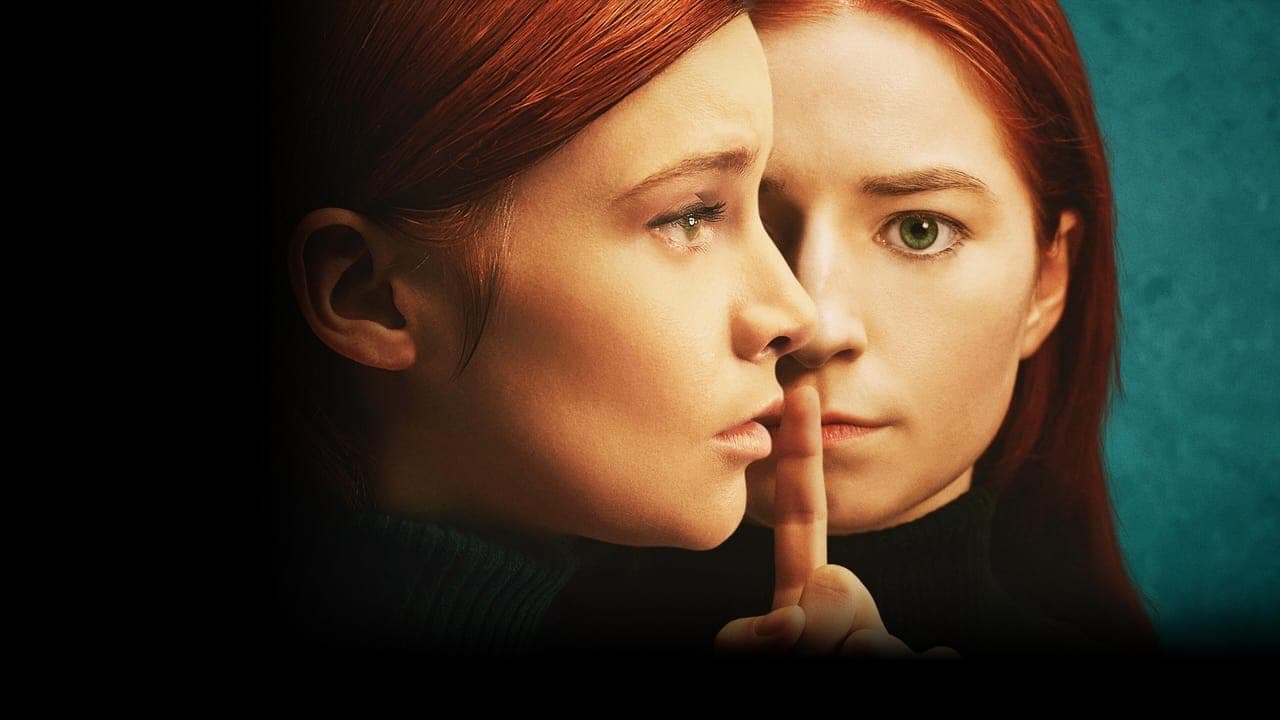
One of the best things television can still do is accidentally blindside you. Say Nothing was one of those shows we threw on casually — cool poster, FX logo, Irish rebellion drama — sign us up. And within an episode or two we knew 'tomorrow' was totally cooked. It was gonna be an all-nighter. Based on Patrick Radden Keefe's book, the series jumps between young IRA members coming of age during The Troubles and the older versions of themselves still reckoning with the choices they made decades later. Everyone wants to be part of history when they're young. Say Nothing is about spending the rest of your life living with it. What starts as rebellious twenty-somethings sneaking around Belfast, stealing cars, and robbing banks dressed as nuns, slowly curdles into disappearances, informants, bombings, paranoia, and lives getting permanently wrecked. There's a dangerous momentum to it early on. You understand why these characters get swept up in the thrill of a cause bigger than themselves. The camaraderie. The purpose. The feeling that history suddenly wants something from you. Then people start disappearing. The rules become clear: trust nobody, say nothing, carry it forever. What Say Nothing does best is show how political violence corrodes everybody involved. Nobody walks away clean. Loyalty becomes dangerous. Fear starts replacing conviction. Every act of resistance demands another compromise until people barely recognize themselves anymore. The performances are phenomenal across the board, especially from Lola Petticrew and Hazel Doupe, who both feel like breakout stars. Anthony Boyle brings a low-boil volatility to Brendan Hughes that makes every scene feel slightly unpredictable. By the end, Say Nothing stops feeling like a historical drama and starts feeling more like a confession from people who spent decades trying to convince themselves they did the right thing. Say Nothing is a hidden gem. We pulled an all-nighter, faked a sick day, and don't regret a second of it. Watch it.

Say Nothing
8.5

Series|Spy Thriller·Dark Comedy|Apple TV+

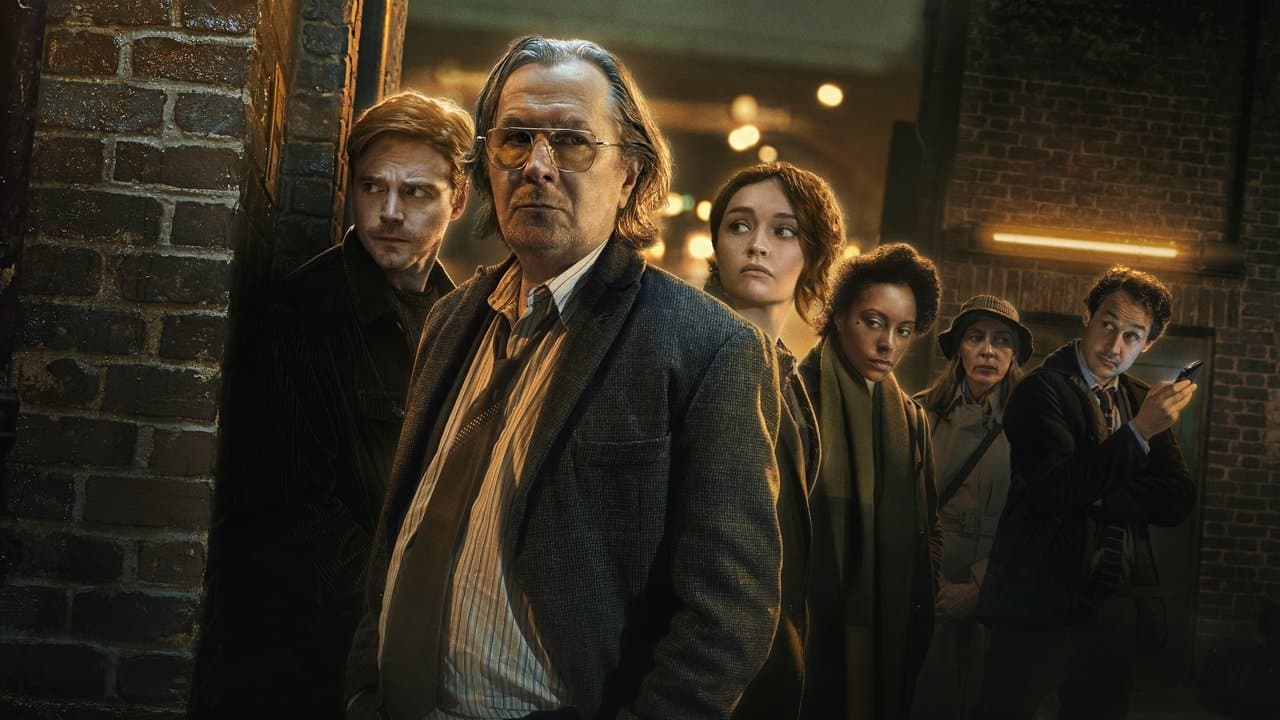
Most spy shows want to be taken as seriously as type 2 diabetes. Slow Horses lets Gary Oldman bungle through an assassination one minute, then fart on a park bench the next. Both feel equally essential. Adapted from Mick Herron's novels — often called the heir to le Carré — Slow Horses takes everything you expect from spy fiction and lets it rot in a Slough House broom closet. This is espionage for screwups, burnouts, and capable people ruined by institutional politics — dumped into a bureaucratic graveyard for disgraced MI5 agents overseen by Jackson Lamb, the most disgusting man in London. Each season throws the Slough House crew into a fresh disaster — kidnappings, far-right plots, Russian sleeper networks — usually because the real MI5 either can't handle the mess or wants plausible deniability when things go sideways. The show blends spy thriller, workplace comedy, and dark British humiliation ritual into something ridiculously watchable. One sequence has River Cartwright (Jack Lowden) sprinting through the Tube trying to stop a terror attack. The next has the unbearable Roddy Ho (Christopher Chung) referring to himself in the third person as "the Dragon" while catastrophically failing to flirt with a coworker. Then there's Lamb. Gary Oldman is doing the most fun work of his career – filthy, manipulative, lazy, emotionally abusive, and still the smartest person in every room. He plays Lamb like a man who gave up pretending to function in society years ago but still sees ten steps ahead of everyone around him. You could watch this just for the insults. Underneath all the spycraft, screw-ups, and shit-talking, Slow Horses is really a show about redemption. These characters got discarded. Embarrassed. Written off. The fun comes from watching them claw their way back toward the careers they blew up. Six seasons in and the show keeps getting better. Turns out not every spy show needs to be John le Carré. Sometimes it just needs Gary Oldman insulting people between bodily functions.

Slow Horses
8.4

Limited Series|Comedy|Amazon Prime Video

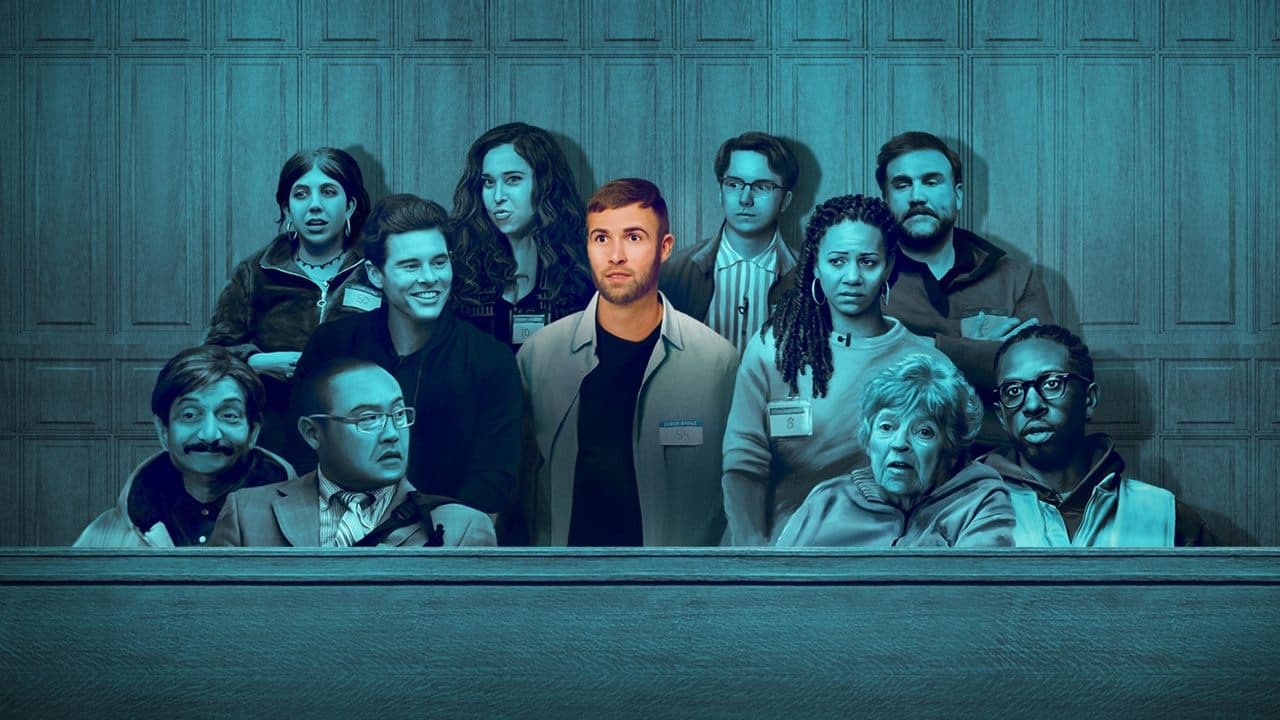
You'll catch yourself saying "No way" a lot while watching Jury Duty. No way, are chair-pants a real thing? No way, is "soaking" a real thing? No way, this guy's trying to get out of jury duty so he can lose his virginity. Then halfway through, you're calling your significant other, explaining a joke about James Marsden demolishing this guy's toilet, and you finally say: "Just come home. You have to see this!" The setup sounds almost too ridiculous to work: one real juror trapped inside a fake sequestered trial where everyone around him is an actor slowly turning the insanity dial to maximum. At the center is Ronald Gladden, an unbelievably patient, decent guy trying to survive what feels like the world's most elaborate psychological prank without ever realizing he's the only normal person in the room. And that's the secret sauce. The show only works because Ronald does. The rest of the cast is phenomenal. Every juror feels like some alternate-universe coworker, cousin, or guy you got trapped talking to at a barbecue — recognizable enough to feel real, just strange enough to become a problem. Then there's famous actor James Marsden, playing a hilariously unhinged version of himself with the ego and emotional maturity of a child actor trapped in a grown man's body. Watching Jury Duty isn't about the case. It's about seeing how much chaos one genuinely nice guy can absorb before snapping. Because Ronald remains such a grounded, empathetic presence, the whole thing never turns mean-spirited. You're not watching somebody get humiliated. You're watching somebody repeatedly choose kindness while the universe pelts him with insanity. Watching this with someone else is mandatory. This is peak "pause the episode and yell across the couch" television. The novelty may wear off a bit once you understand the formula, and if cringe-comedy isn't your thing, this won't convert you. But the sheer unpredictability and the surprising sweetness underneath make Jury Duty feel genuinely unique. It's hard to believe this show exists. Even harder to believe it works this well. Watch it.

Jury Duty
8.4

Series|Medical Drama·Procedural|HBO / Max

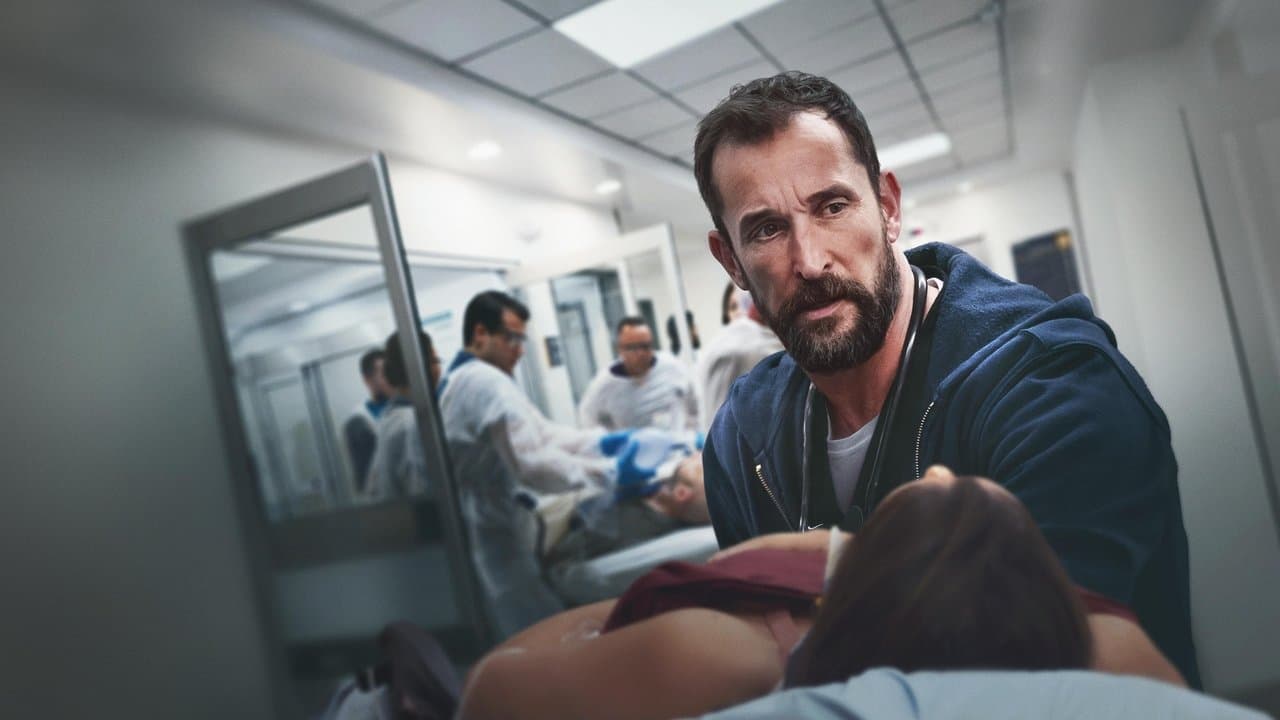
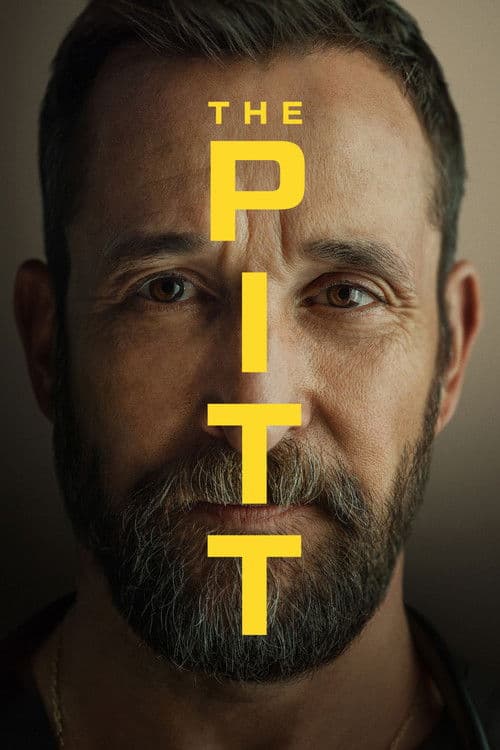
There's no shortage of medical dramas on television. At this point, they're basically the local pizza spot — comforting, reliable, and easy to order when you don't feel like thinking too hard. Then there's The Pitt — the new artisanal spot serving the classics with hot honey and Calabrian chilis. Familiar, but with way more heat than you expected. Created by the team behind ER, The Pitt unfolds in real time — one episode, one hour of a 15-hour ER shift in Pittsburgh. The result is tense, exhausting, draining, and realistic enough to make you grateful you're watching from your couch instead of a waiting room. To be honest, The Pitt didn't hook us right away. At first, it's almost too grounded — a blur of patients, hallway conversations, and nonstop hospital pressure without the giant emotional swings most TV dramas use to keep your pulse up. But somewhere around episode six, it sneaks up on you. One crisis bleeds into another until suddenly you're fully invested, watching exhausted doctors sprint between trauma rooms while Noah Wyle's Dr. Robby keeps the entire shift from flatlining. And just when you think you've adjusted to the pressure, The Pitt finds a new way to raise your blood pressure: leg rashes, eyes glued shut, luxatio erecta, mangled crash victims, mass shooting survivors — every case gets funneled through one increasingly overwhelmed ER. And somewhere around hour ten, you may start wondering whether all of this could really happen in a single shift. Probably not. Hopefully not. But let's be real – creative license makes for some good TV. This isn't Grey's Anatomy-style melodrama — The Pitt traps you inside fifteen straight hours of mounting exhaustion. By the end of the shift, you'll feel like you worked it too. Watch it… just don't Google that rash afterward.

The Pitt
8.4

Series|Crime·Drama|HBO

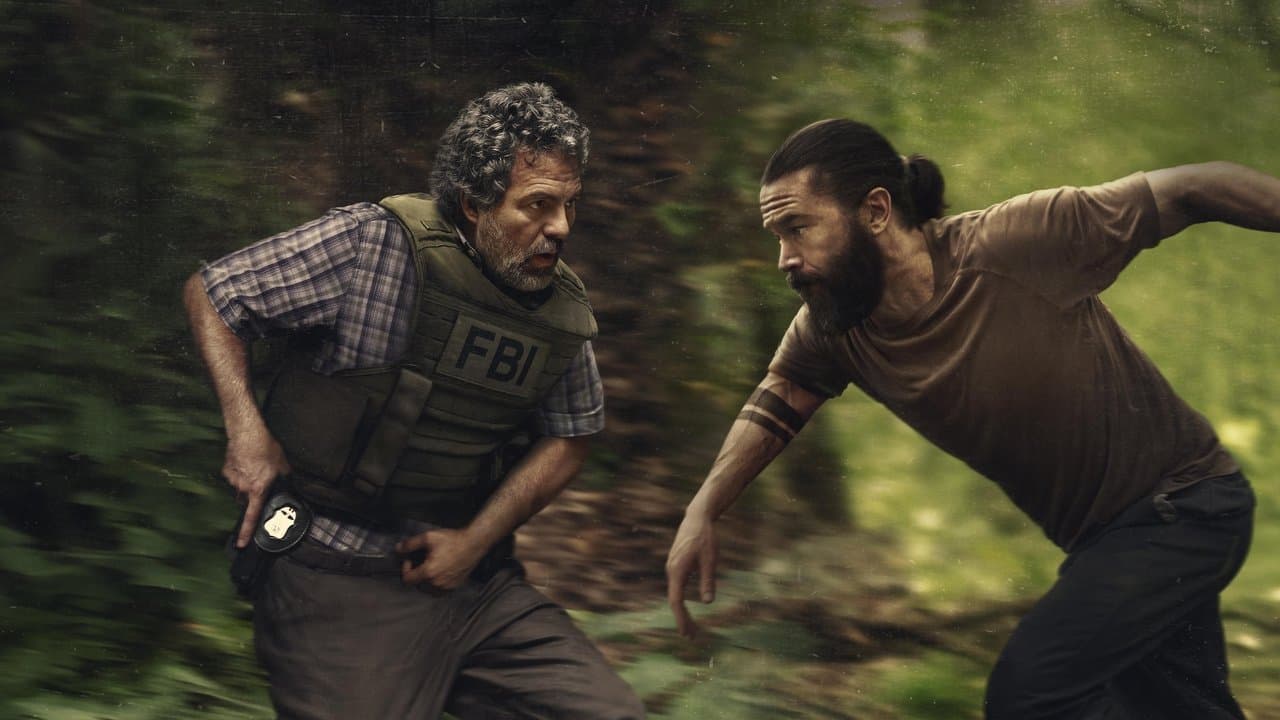
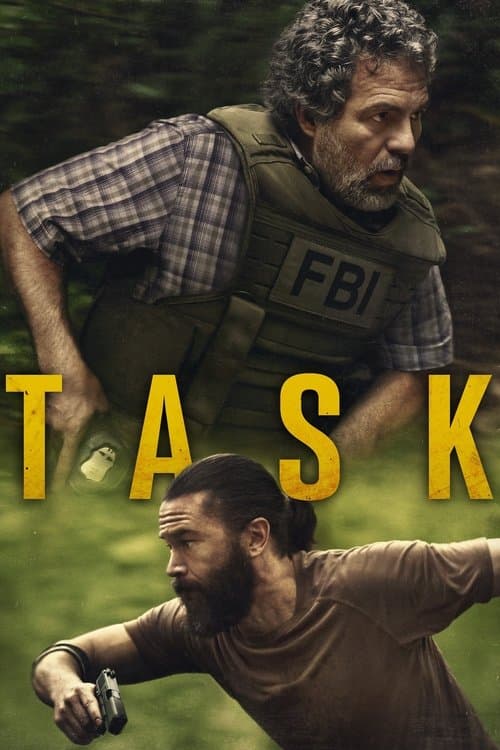
Take a moment to picture the glossy world of a standard Hollywood police procedural — sleek sunglasses, crisp windbreakers, cool detectives dropping one-liners over crime scenes. Now imagine the exact opposite: crusty dishes in the sink, stale Wawa coffee, and the smell of an abandoned Pennsylvania row house. Task, Brad Ingelsby's latest slab of blue-collar misery, lives on the far end of the anti-Hollywood spectrum. Everybody looks like they smell faintly of wet asphalt, cigarettes, and desperation. Task throws Mark Ruffalo's unraveling FBI agent — the kind of guy who spikes his morning Big Gulp with vodka — against Tom Pelphrey's garbage collector turned reluctant thief, as a string of robberies pulls both men deeper into the orbit of a local biker gang. Everybody's carrying dead relatives, old scars, and enough self-destruction to make you want to shake them by the shoulders. This is Sunday-night HBO baby: heavy, adult drama designed to make you feel slightly guilty for enjoying how miserable everyone is. Watching Task mostly comes down to two things: Ruffalo barely keeping himself together while Tom Pelphrey steals the whole show. The first few episodes move patiently, almost stubbornly so, locking you into the slow grind of family drama, surveillance, and criminality. It takes a minute to spark. But once the fuse burns down, the back half detonates and never lets up. The friction peaks once Ruffalo and Pelphrey finally end up trapped together inside a car. No theatrical explosions — just the suffocating reality of a desperate man realizing his life is over while an exhausted agent realizes there was never going to be a happy ending waiting at the finish line. From there, the show explodes into the full-scale reckoning it's been building toward all season: shootouts, collapsing loyalties, backs against the wall, and every storyline finally crashing together. The final hours hit like a freight train. This is exactly why you keep an HBO subscription. Block out a few nights and let this thing wreck you. Watch it.

Task
8.4

Series|Dark Comedy·Limited Series|Netflix

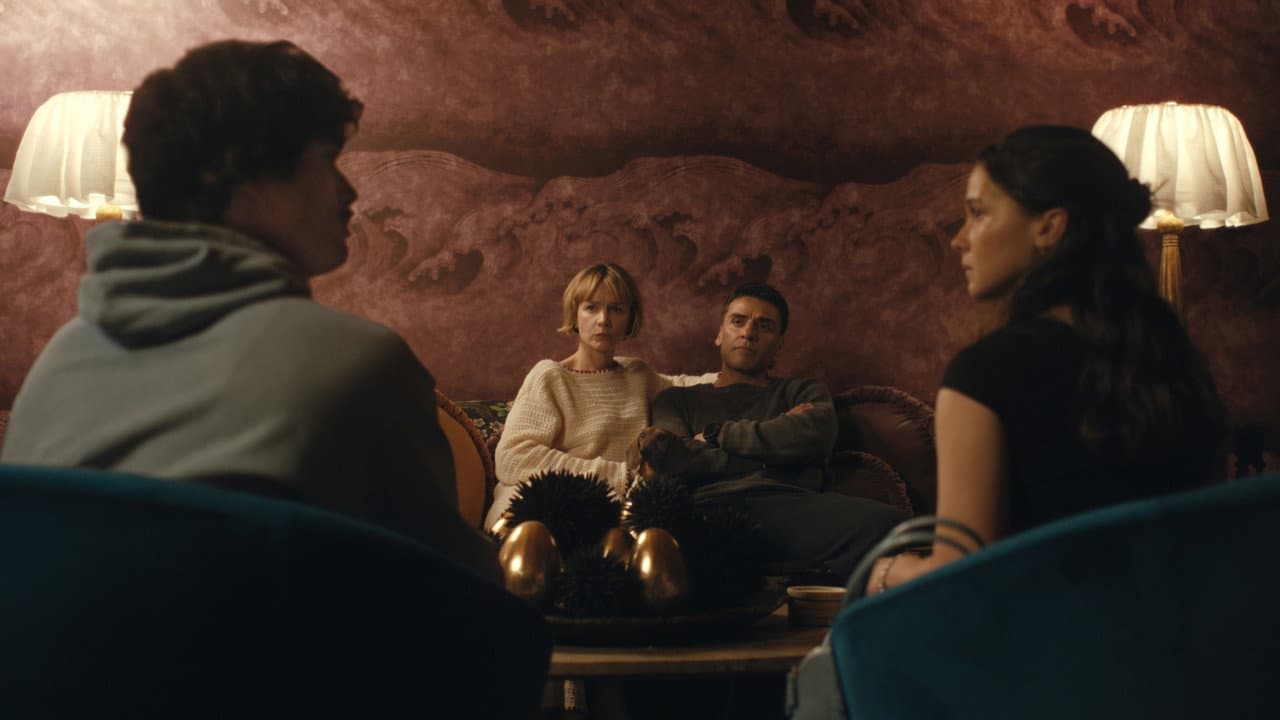
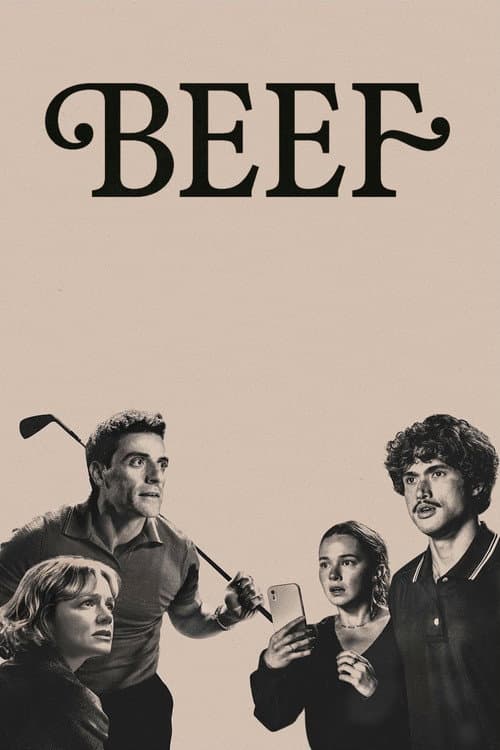
Since the invention of the automobile, humanity has been united by one sacred ritual. Road rage. Maybe somebody cut you off last week. Maybe you muttered "what the fuck's this guy doing?" under your breath this morning. Beef takes that tiny everyday burst of fury and turns it into a full-blown blood feud between two deeply unhappy strangers. One's broke. One's rich. Both are absolutely miserable. After one impulsive moment behind the wheel, they become completely consumed by each other. What starts as petty revenge mutates into something stranger: two people using conflict as the only thing that still makes them feel alive. Steven Yeun and Ali Wong are phenomenal because neither character is fully right or fully wrong. Danny's exhausted, directionless, and hanging on by a thread. Amy has everything Danny is killing himself to get — money, status, success — and still feels trapped inside her own life. Before long, the question isn't who wins. It's about how much of their lives these two are willing to burn down just to feel seen. One minute it's fake Yelp reviews and screaming matches in parking lots. A few episodes later people are breaking into houses, pulling guns, joining churches, peeing on bathroom walls, and detonating their lives for reasons that barely make sense anymore. Underneath the insanity sits something painfully recognizable: shame, insecurity, loneliness, class resentment, the quiet terror that your life didn't become the thing you hoped it would. Season two trades parking lots and strip malls for country clubs and generational wealth, but the engine is exactly the same. One ugly moment between a married couple snowballs into blackmail and emotional collapse. Carey Mulligan, Cailee Spaeny, Oscar Isaac, and Charles Melton tear into material that's colder, wealthier, and even more suffocating than season one. We've heard the pushback — "it's not the same show." But it is. Road rage is such a primal, shared experience that it's hard to top. The rage just migrated to richer people with country-club memberships. Beef gets it: Sometimes hatred is just loneliness looking for a target. Watch it.

Beef
8.3

Series|Comedy·Mockumentary|Hulu

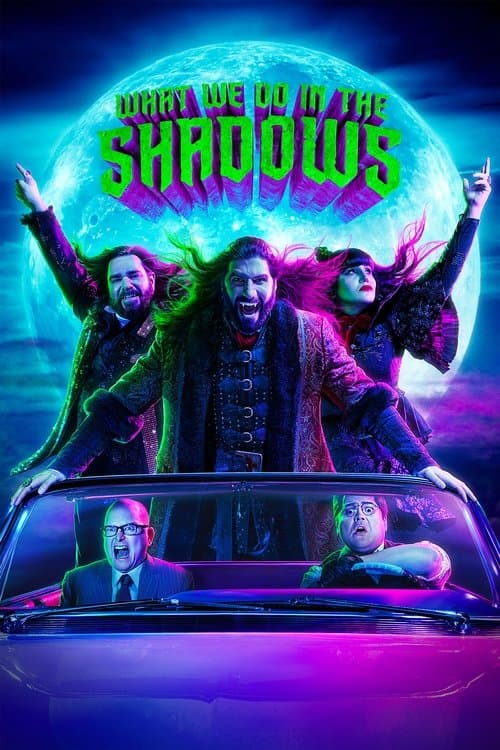
Vampires have had a pretty good run over the years. Sexy vampires. Scary vampires. Brooding vampires falling in love with high schoolers. What We Do in the Shadows looks at all of that gothic mythology and asks a much more important question: What if vampires were just deeply annoying roommates? Based on Jemaine Clement and Taika Waititi's cult-classic film, the series follows a group of ancient bloodsuckers sharing a crumbling Staten Island house while bickering over chores, house meetings, relationship drama, and who forgot to properly dispose of the body downstairs. Because here's the thing… immortality doesn't fix your personality. These vampires may be able to transform into bats, hypnotize humans, and drain people's blood — but they still spend most of their time being jealous, needy, passive-aggressive weirdos. And nobody sells that better than this cast. Matt Berry was born for this material – every line sounds like Shakespeare trapped inside the world's horniest theater kid. Kayvan Novak and Natasia Demetriou are equally great, and Mark Proksch as Colin Robinson — an "energy vampire" who feeds by boring people to death in conversation — is the show's secret weapon. It's one of the funniest comedy concepts we can remember. For all the supernatural nonsense, the show ends up being weirdly human – a comedy about friendship, codependency, and the depressing reality that even immortality won't stop people from annoying the hell out of each other. Yes, it's mockumentary style. For those exhausted by the format – we feel you. But the writing is funny enough to win you over anyway – especially if this wacky wavelength of humor clicks for you. Like all great roommate comedies, it's about living with people who drive you insane while becoming incapable of life without them. These people just happen to drink blood.

What We Do in the Shadows
8.1

Series|Comedy·Sitcom|FX

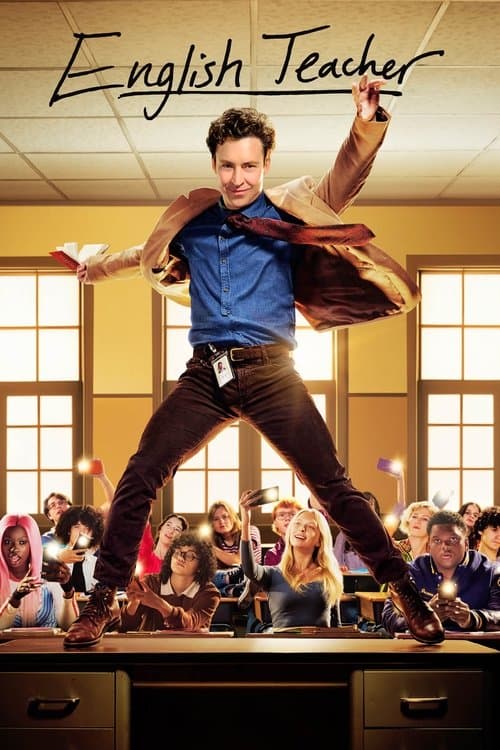
For a while there, it felt like sitcoms got scared of their own jokes. Every workplace comedy suddenly started walking on eggshells — terrified of saying the wrong thing, offending the wrong person, or accidentally wandering into discourse hell online. Which is why English Teacher feels so refreshing. And this thing is genuinely funny. Not background noise funny. Actual laugh-out-loud funny. Set inside a high school where every staff meeting feels one accidental comment away from an HR complaint, the show follows Evan Marquez, a gay English teacher trying to survive modern school culture alongside a faculty full of teachers, administrators, and coaches hiding their own brand of dysfunction. Brian Jordan Alvarez feels like a genuine breakout here. He plays Evan with this perfect cocktail of insecurity, passive aggression, self-awareness, and desperation to be liked. The supporting cast is equally sharp — one of those rare ensemble comedies where if one storyline isn't landing, somebody else immediately grabs the wheel and keeps the episode moving. The writing runs headfirst into topics most modern comedies seem to fumble: identity politics, generational disconnects, progressive language policing, awkward sexuality, school bureaucracy. Over the course of the season, Evan and the faculty keep stumbling into situations that should be career-enders: parent complaints, identity-politics minefields, school assemblies going catastrophically sideways. But unlike most modern comedies, English Teacher isn't trying to teach you a lesson. It just sits with the awkwardness, lets everyone be a little wrong, and trusts you to figure out what's funny about it. The show moves fast, too. Thirty-minute episodes, rapid-fire jokes, and an ensemble full of scene-stealers make the whole thing ridiculously easy to burn through. Most importantly, the show feels slightly dangerous again — not because it's trying to offend people, but because it remembers comedy works best when nobody's safe from the joke. It's edgy, oddly wholesome — and one of the better new comedies to show up in a while. Watch it.

English Teacher
8.0

Series|Thriller·Sci-Fi|Hulu

Plenty of things come to mind when you hear the word "Paradise" — beaches, mai tais, wherever Leonardo DiCaprio's posting up on a yacht — but dystopian murder mysteries probably aren't one of them. That's what makes Paradise a textbook "don't judge a show by its title" situation. Series creator Dan Fogelman takes what looks like a straightforward political thriller — a Secret Service agent investigating a murder inside an idyllic community — and turns it into something much more ambitious. And this is absolutely the kind of show where the less you know going in, the better. So trust us: don't Google ahead. Anchored by Sterling K. Brown, Paradise blends murder mystery, political thriller, and end-of-the-world dystopia into one bingeable package. Every answer just opens another rabbit hole and before long the show has you trapped in the "alright fine, one more episode" cycle. This isn't airtight prestige television and it doesn't have to be. Emotional beats can overshoot. Plot conveniences show up conveniently on cue. And Fogelman sometimes pushes right up to the edge of network-TV before pulling things back at the last second. But honestly? The show's moving so fast — and some of the twists land so hard — he usually gets away with it. Even if the occasional shortcut discourages you. Don't let it. Watch the pilot and try not to hit "next episode." Every flashback, betrayal, gut-punch, and cliffhanger pulls you deeper in. By the end, you'll realize you just inhaled a pretty damn good season of television. Watch it.

Paradise
8.0

Series|Comedy·Mystery|Hulu

Murder mysteries usually come in one of two flavors — the brooding small-town whodunit where the detective has a drinking problem, or a marriage problem, and definitely a money problem. Or the dramatized version of the podcast you already listened to twice. Only Murders in the Building would rather hand you a glass of wine, make a terrible pun, and invite you to solve a homicide with three dysfunctional theater kids… while making a podcast about it (obviously). The show follows three Upper West Side neighbors — Steve Martin and Martin Short alongside Selena Gomez — who bond over their shared obsession with true crime and become amateur sleuths after a murder inside their impossibly charming apartment building. Martin and Short have been making audiences laugh since the Reagan administration, and watching them bounce off each other here feels like slipping into a very whimsical, very comfortable sweater. Whether they're bickering over hummus, breaking into song, or solving a murder, the rhythm of these two is the show's actual engine. It's silly, self-aware, cozy television that reminds us murder mysteries are meant to be fun. Have we mentioned the guest stars? They're absurdly stacked: Meryl Streep, Paul Rudd, Zach Galifianakis, Tina Fey, Christoph Waltz, Eva Longoria — more below. Half the fun is wondering which star will wander into The Arconia next. Season three is the high-water mark: a Broadway murder mystery packed with original songs that have no business being as catchy as they are. Sure, the show sometimes leans too goofy and the mysteries themselves can feel secondary to simply hanging out with three amigos. But that's part of the charm. The score, the New York atmosphere, the chemistry between the cast — it all makes this show ridiculously easy to watch, then immediately watch again. You're not here for a high-stakes mystery. You're here to hang out with the gang.

Only Murders in the Building
7.8

Series|Crime·Drama|Netflix

Every once in a while, Netflix quietly drops a crime thriller that doesn't feel like it was assembled by an algorithm in their Hollywood boardroom. Legends is one of those rare surprises. The hook here is wild, and it happens to be true: Set in 1990s Britain during the rise of the heroin epidemic, the British government took ordinary paper-pushers and low-level customs officers, gave them zero field training, handed them fake IDs, and sent them undercover to infiltrate the country's most violent heroin cartels. Pulling its vibe straight from recession-hit Liverpool, the entire operation feels gloriously bootstrapped. A "legend" is the fake identity an operative has to maintain, where one forgotten detail can mean life or death. The tension comes from watching ordinary people realize they're getting a little too good at lying. Legends skips the glossy Netflix sheen and opts for film grain, tired faces, and ugly apartments. Nobody's explaining the plot twice for the audience. The show moves fast, trusts you to keep up, and ends up feeling far more tense because of it. The deeper they get, the more obvious it becomes that nobody involved really knows what they're doing. These aren't super spies. They're office workers trying to remember fake birthdays while standing next to people who'd happily kill them if they slip up. At a lean six episodes, it's a remarkably quick watch—and while it might not be the most memorable thing you'll see this year, it morphs into a total "just one more episode" trap that will have you looking at the clock at 2:00 AM wondering where your night went. It's not The Wire, but it's a very solid weekend watch. You could do a whole lot worse.

Legends
7.7

Limited Series|Spy Thriller·Dark Comedy|Netflix

Despite the rain, queuing, and an entire population powered by cigarettes and passive aggression, the U.K. has given us a lot over the years: The Beatles, Harry Potter, The Beckhams, and approximately 14,000 excellent spy thrillers. And since espionage stories are one of Britain's most reliable exports – we'll happily keep taking more. So when Netflix dropped Black Doves — spies, Christmas in London, Keira Knightley busting heads, Ben Whishaw with a shotgun and an expensive coat — we said, 'Thank you, Santa.' And when The Pogues kick in, you realize nothing says holiday spirit quite like espionage. Knightley plays Helen Webb, the wife of a British politician who's secretly worked for the Black Doves — a covert spy network — for years. But after her secret lover turns up dead, Helen gets pulled back into a web of assassins, political conspiracies, and old relationships resurfacing while London glows with enough Christmas lights to distract from all the murder. Black Doves doesn't aim for prestige. It's slick, heightened, occasionally ridiculous – and usually very fun. Giant orchestral scores swell over repressed feelings mid-shootout. Characters process heartbreak while dodging bullets under the holiday glow. Keira Knightley fully kicks some ass; Ben Whishaw gives the whole thing a melancholy center. The MVPs might be the assassin duo Williams and Eleanor, who wander through the series treating contract killings like items on a grocery list. But Black Doves never quite graduates from an entertaining binge into a genuinely great spy thriller. Part of that comes from the show pushing for emotional stakes so hard it starts fighting the thriller around it. Like when Helen takes phone calls from her kids while bullets are flying… uh, Keira, honey — someone's shooting at you. Call them back. Still, this is exactly the kind of show Netflix thrives on. Will this become the next great spy thriller? Probably not. Will we absolutely throw season two on during Christmas break anyway? Without hesitation.

Black Doves
7.5

Series|Drama|Apple TV+

There's an entire genre of television now dedicated to watching obscenely wealthy people misbehave. Some shows expose the rot underneath all that money — Succession turning billionaires into Shakespearean raccoons fighting over garbage. Others just let you marinate in the fantasy: expensive houses, expensive affairs, expensive regrets. You know the vibe – tequila shots in tennis whites. Wives doing yoga. Wives in the sauna. Husbands in the sauna. Millionaire boys' nights. Everything's glossy, perfectly lit, and pretty douchey. Your Friends & Neighbors sticks with the fantasy, then hands Jon Hamm a crowbar. The setup's slick: Jon Hamm plays a recently fired hedge-fund manager who starts secretly robbing his ultra-wealthy neighbors to maintain the illusion that his life isn't quietly collapsing. Everybody drives something European, drinks something French, and makes each other's lives worse at over-the-top backyard bashes. Led by one of television's great silently-unraveling-handsome-men, the show knows exactly how to weaponize Hamm's charm. One minute he's brooding over a beer and an old movie. The next he's hopping a hedge in search of a six-figure watch. Watching him juggle suburban respectability and increasingly bad decisions is half the fun. The robbery sequences are small-scale, oddly relaxed, and fueled by the fact that this man is absolutely not a professional criminal. His biggest threats are often the neighbor's Rottweiler and roaming rent-a-cops. Then the show remembers crime is, in fact, a crime – and the criminals he's associating with don't give a shit about his zip code. Side note: The show also sprinkles in a little guilty pleasure. Hamm's voiceover prices the luxury items he's stealing – Patek Philippe Nautilus, $140K. McIntosh tube amp, $22K. Hermès Birkin, don't ask. A little cheesy? Sure. But aren't we all a little curious what the super rich have shoved in the back of their closet? If glossy adult dramas about morally compromised rich people toasting to the good life while robbing and blackmailing each other are your thing, this will scratch the itch. Just know this is much more Billions than Succession.

Your Friends & Neighbors
7.4

Series|Drama·Crime|Paramount+

At this point, you can identify a Taylor Sheridan show in under thirty seconds. Throw a bunch of stubborn people into an industry built on money, ego, and short tempers, give everybody a truck and unresolved trauma, then let someone deliver a whiskey-soaked monologue about how America's falling apart. Somehow, it keeps working. Sheridan drops Landman into the Texas oil business — a world of billionaires, roughnecks, cartels, corporate politics, and men who treat basic conversations like they're one sentence away from grabbing a six-shooter and settling things outside the saloon. Smack dab in the center is Billy Bob Thornton doing exactly what Billy Bob Thornton does best: carrying the weight of West Texas with exhausted swagger while talking circles around everyone in the room. Thornton plays Tommy Norris, an oil-company fixer spending most of the show putting out fires — sometimes literal ones. The world around him runs on machismo, family drama, oil money, and enough blonde bombshell energy to keep half the state of Texas permanently poolside. The show is ridiculous. Frequently. Every character has a slick Southern zinger. Nobody behaves like real people. And Landman never wastes time pretending to be subtler or smarter than it is. If you're looking for nuance or prestige, you're on the wrong oil field. But if you want an entertaining mix of oil money, hot people, hotter personalities, and Billy Bob Thornton verbally dismantling folks for an hour, Landman does the trick. Taylor Sheridan feels like his own oil company these days — drilling straight into what millions of people want and striking gold every time.

Landman
7.3

Series|Comedy·Drama|Netflix

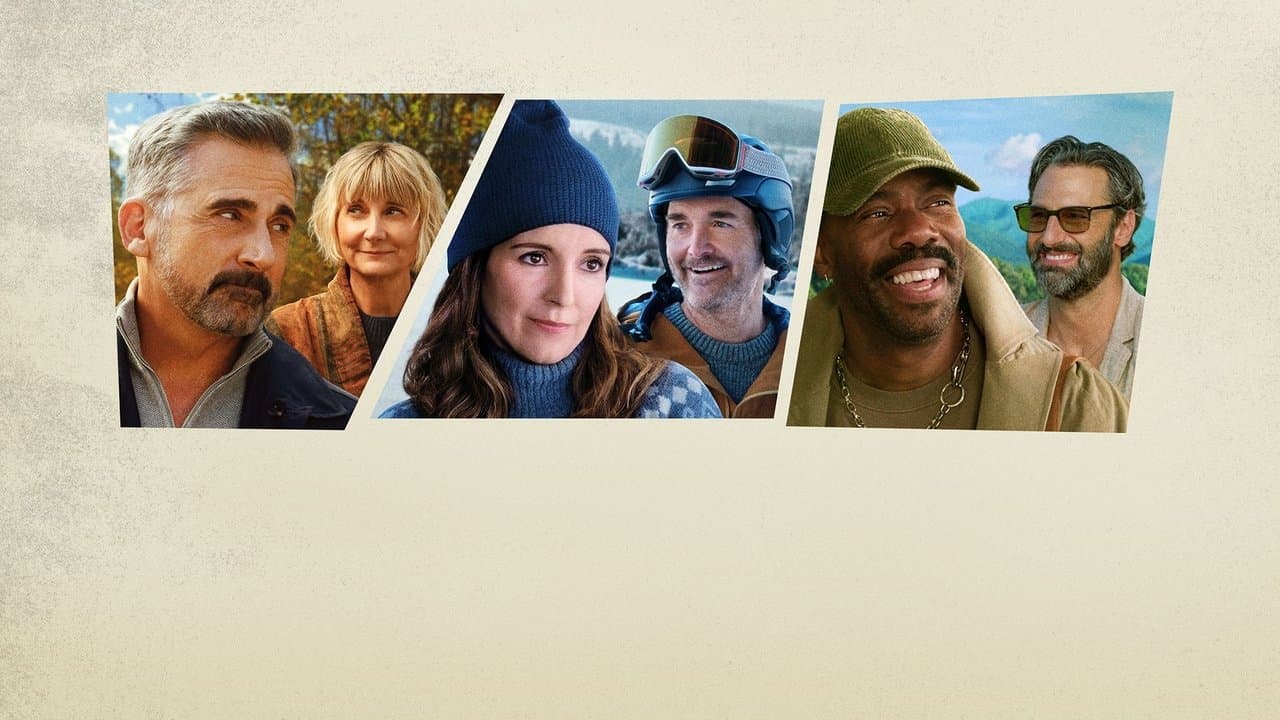
We first found The Four Seasons on one of those hotel TVs during a wedding trip — the kind where Netflix is basically your only entertainment option between local news and $40 skin flicks. So, Netflix it was. We went scrolling, got fatigued, saw Steve Carell and Tina Fey on a poster, and figured worst case scenario: it'd be easy company for the night. Instead, the show snuck up on us. Adapted from the 1981 Alan Alda film, The Four Seasons follows a longtime group of friends whose seasonal vacations slowly become less relaxing and more hazardous. Divorces settle in. New girlfriends enter the group. Passive-aggressive dinners start creeping into every shared Airbnb. Everybody keeps insisting they're having fun while quietly unraveling a little inside. We started episodes thinking, "alright, one more before dinner," then found ourselves lingering in the hotel room debating whether to go downstairs or just order another bottle of wine and keep watching. Not because we were blown away or totally gripped, but because it was comfy. Like the warm grip of your duvet on a rainy morning. The longer you linger in it, the harder it becomes to leave the hotel. The seasonal structure really works because you can feel the friendships aging in real time. Little comments start landing harder. People pair off differently. Vacations start feeling like yearly check-ins nobody knows how to cancel. Steve Carell's storyline sneaks up on you the most. At first, his post-divorce "freedom" and younger-girlfriend flirts with sitcom territory. Then somewhere along the way, it turns into something honest about aging, loneliness, and realizing the second half of your life may look nothing like the one you pictured. Is The Four Seasons reinventing television? Not remotely. But it touches a specific feeling: being trapped in a beautiful vacation house with people you've loved for twenty years while slowly realizing that everyone changes. We were prepared for easy company. We got something a little better.

The Four Seasons
7.2

Series|Comedy·Dramedy|Apple TV+

At a certain age, friendships start getting weird. Everybody's busy. Everybody's tired. Half your friends are married with kids, the other half are in expensive apartments pretending they've "figured things out." And sometimes the people most capable of derailing your life are the ones you still answer immediately when they call. Welcome to Platonic. Seth Rogen and Rose Byrne play former best friends reconnecting years later while both stumbling through adulthood. Sure, this show feels a little too familiar. But no one can deny Rogen and Byrne are ridiculously watchable together. He's a recently divorced brewery owner running his life like he's still in his twenties. She's a married mom realizing stability and fulfillment are not always the same thing. For a while, the show settles into a fun groove: awkward dinner parties, marriage stress, workplace disasters, and too many drinks on weeknights. They have effortless chemistry — the kind where you instantly buy years of history, inside jokes, and unresolved damage between them. And every once in a while, the show lands a joke that hits like the spicy shishito pepper that knocks out your sinuses. Seth Rogen walking through a sliding glass door is one of the funniest moments of the season. But then it settles into familiarity again. Watching an episode feels like slipping back into the studio-comedy era of the aughts. Platonic isn't bad. It's just much easier to like than love.

Platonic
7.1

Limited Series|Drama·Historical|Apple TV+

Life is a series of expectations. Managing them. Failing them. Getting crushed by them. So when the team behind Band of Brothers announced another giant World War II epic – Spielberg. Hanks. Apple blank-check money. A stacked cast of future movie stars – expectations for Masters of the Air immediately went through the roof. On paper, this thing should've been untouchable. Instead, it's just… pretty decent. The series follows the bomber crews of the 100th Bomb Group as they fly repeated missions over Nazi Germany, knowing every trip into the sky could be their last. A lot of this works. The aerial combat sequences are huge, terrifying, and sometimes exhausting to watch. Engines ripping apart midair. Bombers exploding beside each other. Young guys trying not to panic while flak tears through the sky around them. When the show locks into the sheer horror of these missions, it's incredibly effective. Austin Butler, Callum Turner, Anthony Boyle, and Barry Keoghan are all actors you should walk away obsessed with. They're great. The problem is you never get quite as attached to them as you wish you would. Somewhere between the cockpits and the spectacle, Masters of the Air loses the intimacy that made Band of Brothers hit so hard. That show put you in the mud beside those soldiers. You felt like you knew them. Their friendships. Their fear. Every death punched you in the teeth. Here, everything looks incredible. Sometimes too incredible. The show is so determined to make every shot look iconic that it occasionally forgets war is supposed to be ugly. Look, aerial warfare's tough to dramatize. It's hard to get close to people who spend half the show hidden behind oxygen masks and cockpit glass. It's harder to connect with the boys inside the planes the same way you could with Easy Company. And there aren't many victories to rally around. Mostly just survival, loss, and the dread of having to climb back into those bombers. Still, if you love war epics or watching people survive hell at 25,000 feet, there's plenty here for you. The problem is that every scene reminds you of the show you actually want to be watching: Band of Brothers.

Masters of the Air
6.8

Series|Drama·Workplace|Apple TV+

The Morning Show was Apple TV+'s launch strategy in television form: throw an irresponsible amount of money at Jennifer Aniston, Reese Witherspoon, Steve Carell, and Billy Crudup, then dare everyone not to watch. On paper, it had everything: giant stars, glossy production, expensive sets, and enough prestige-drama ambition to launch an entire streaming service. This thing should absolutely rip. (And to be fair, season one's pretty good.) The Morning Show started with a genuinely juicy premise, ripped straight from the headlines: a beloved morning-show host gets MeToo'd and an entire network starts scrambling to clean up the mess. But as the seasons went on, the show became more interested in reacting to the news cycle than telling a great story. Every storyline feels determined to tackle the issue of the moment — media scandals, political division, cancel culture, COVID, misinformation – but by the time the show writes it, shoots it, edits it, and releases it, the audience has already lived through six versions of the discourse online, on cable news, and across social media. Instead of feeling sharp, The Morning Show increasingly feels like an echo chamber with Emmy-winning lighting. Which is frustrating because there's still a watchable show buried in here. The cast does a ton of heavy lifting. Even when the writing swings from sharp to so on-the-nose you start wondering who exactly this is supposed to be convincing, the performances mostly carry it. The messaging gets so loud it occasionally drowns the actual drama underneath. The Morning Show isn't terrible. Season one is pretty good — especially if you're into glossy workplace dramas where everyone walks fast, talks faster, and looks stressed out in designer clothing. But as it goes on, it gets trapped by its own need to feel important. And over time, importance becomes a pretty weak substitute for insight.

The Morning Show
6.8

Series|Comedy·Sitcom|Apple TV+

Rob McElhenney has built an entire career out of making narcissism watchable. It's Always Sunny in Philadelphia turned five of the worst people alive into sitcom legends. With Welcome to Wrexham he somehow convinced the rest of us to care deeply about a Welsh soccer club. Then there's Mythic Quest — bigger budget, glossier surface, but less memorable than we'd hoped. Set inside a successful video game studio, the show follows the team behind Mythic Quest — the fictional version of World of Warcraft — navigating giant creative egos, office politics, and each other's insecurities. At the center is McElhenney's Ian Grimm, a visionary narcissist who approaches game updates like he's brokering peace in the Middle East. Nobody plays a deeply insecure man pretending to be a genius quite like McElhenney. The rest of the office isn't much healthier. Half the show is talented adults having emotional breakdowns over things that absolutely do not matter. And if you've ever worked around creative people, parts of this feel alarmingly familiar. For all the yelling and nonsense, Mythic Quest understands something very real about creative people: everybody loves collaboration right up until somebody else gets credit. Like Always Sunny, it gets the most mileage out of situations where everybody has a point and everybody makes things worse. "Breaking Brad" (S2E4) is the clearest example — turning workplace gender politics into one long, painfully funny psychological endurance test disguised as a car ride. That said, the show can still feel too quirky for its own good. If you're into dysfunctional nerds or watching McElhenney weaponize insecurity for comedy yet again, you might have a good time. It just never reaches the heights of this team's best work.

Mythic Quest
6.8

Series|Dramedy|HBO

Steve Carell has made a second career out of playing middle-aged men quietly discovering that things did not go according to plan. So when HBO paired him with the Ted Lasso team for a campus dramedy, you could pretty much predict the vibe immediately: deeply watchable dad television. And that's exactly what the show is. Carell plays Greg, a guy who writes trashy airport thrillers, who rolls into a fancy New England college to check on his daughter after her professor husband (Phil Dunster) knocks up a student. Before long, Greg gets pulled into the university's orbit – teaching writing classes, hanging around hockey players half his age, and finding new ways to avoid dealing with his divorce. Warm. Easygoing. Mildly melancholy. Carell does his usual thing well — balancing secondhand embarrassment with that sad-dad charm that makes you root for him automatically. Dunster is just as good, playing a pompous academic whose confidence remains completely disconnected from the quality of his decisions. The issue is that the show hasn't decided what version of itself it wants to be. Half the time it's a grounded story about loneliness, aging, and trying to rebuild your life after public humiliation. The other half feels like somebody in the writers' room said, "There should probably be a scene where Steve Carell gets hammered at a college party and yells, 'Best day ever!!!'" The sincerity's there, but the show still feels like it's trying to figure itself out. It's comfort food anchored by one of the most lovable actors alive. You're never staying up until 2 AM binging it, but if you're looking for an easy watch, it's there for you.

Rooster
6.8

Limited Series|Thriller·Drama|Apple TV+

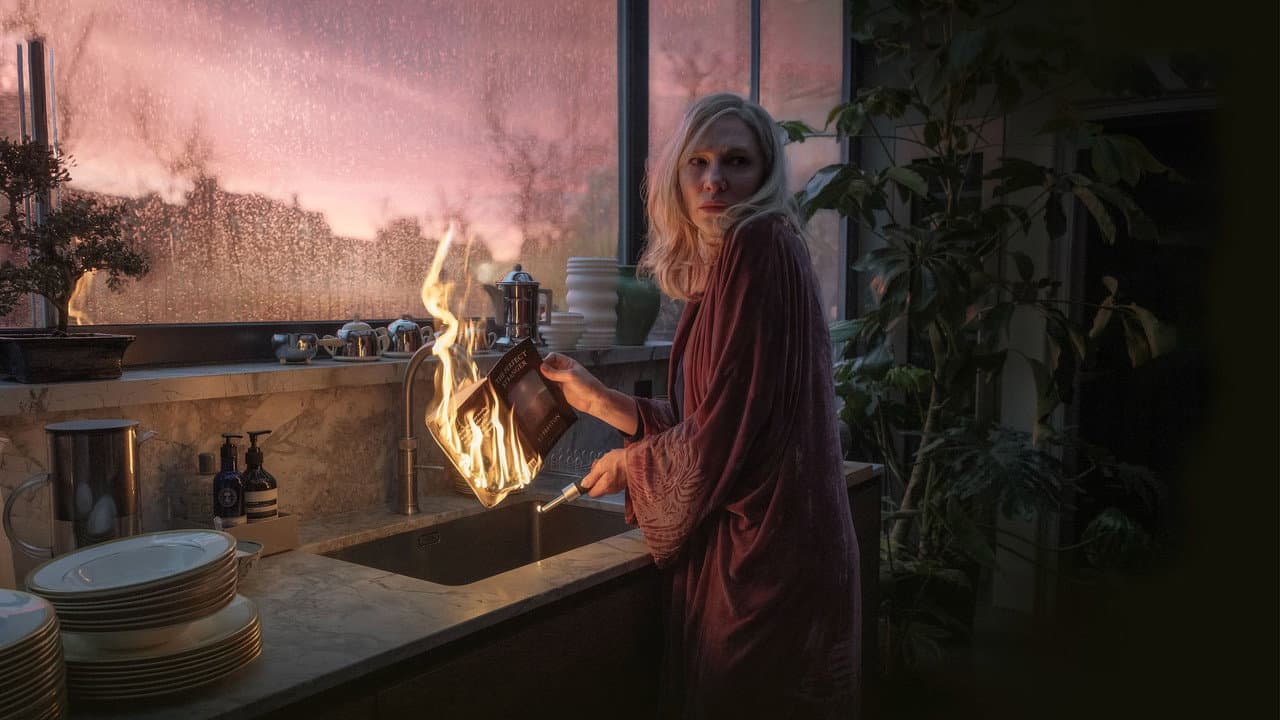
There's a specific kind of prestige TV that makes you feel like you should be enjoying it more than you really are. The kind where every frame is gorgeous, everything's unraveling in perfect lighting, and halfway through an episode you realize you don't really care what's happening, but man this looks expensive. That was us with Disclaimer. Alfonso Cuarón's Apple TV+ mystery follows a celebrated journalist whose life starts collapsing after an anonymous novel appears to expose a buried chapter of her past. Secrets. Tragedy. Revenge. The kind of ingredients prestige TV usually can't stop ordering. And visually, the show is incredible. Cuarón shoots television like a man personally offended by the idea of normal coverage. Sunlight bleeds through curtains like a luxury fragrance ad. European coastlines glow. Wine glasses sit untouched in immaculate kitchens while rich people avoid saying what they actually mean. Cate Blanchett is excellent because Cate Blanchett is always excellent. Sacha Baron Cohen spends most of the series looking like he's already bracing for divorce. Kevin Kline wanders through the whole thing with the energy of a man who hasn't recovered from anything since 1987. The problem is everybody's so cold, withholding, and miserable that the show starts pushing you away instead of pulling you in. Husbands resent wives. Coworkers betray each other. But after spending time with him, you start to understand their side of it. And every conversation feels like somebody preparing to weaponize information. After a while, the whole thing starts suffocating under its own moodiness. It's frustrating because the craftsmanship is undeniable. But Disclaimer ultimately feels like a stunningly photographed dinner party where nobody wanted to be there—and after a while, neither do you.

Disclaimer
6.5

Series|Crime Thriller|Netflix

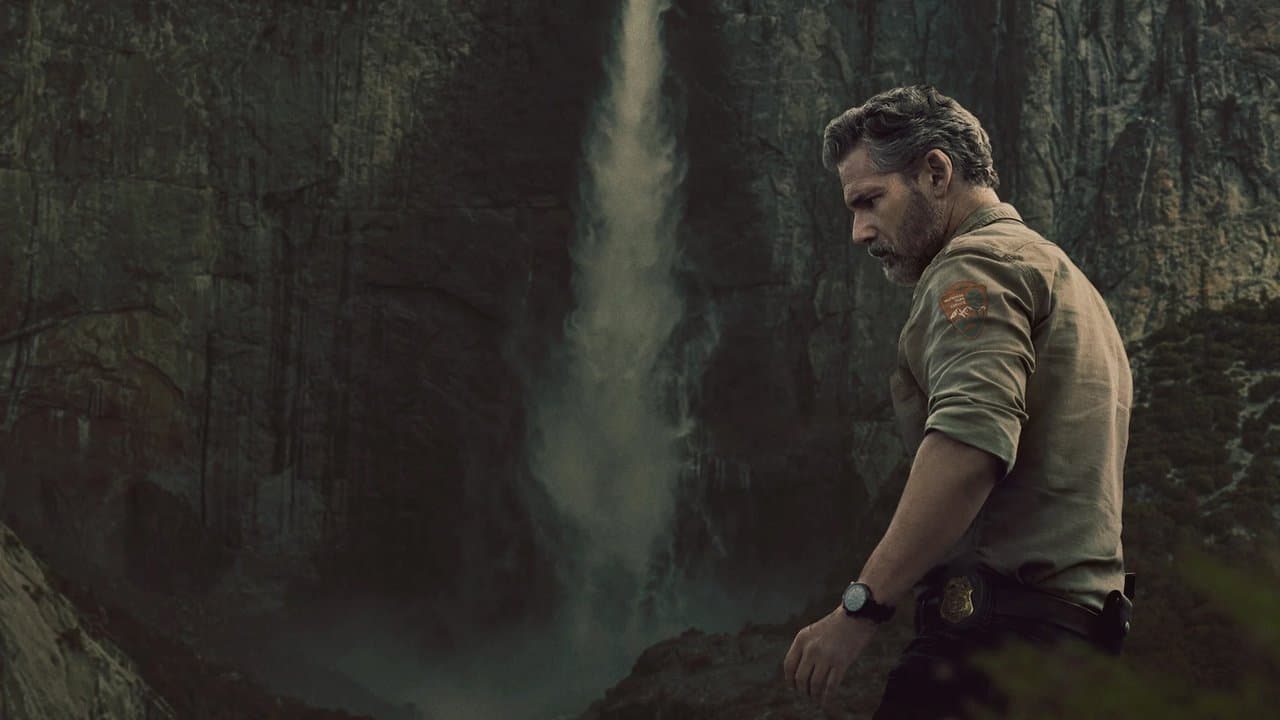
Untamed opens with one hell of a hook. Two climbers scaling Yosemite's El Capitan suddenly find a dead body dangling from their ropes mid-pitch. It's shocking, cinematic, and for about six minutes you're leaning forward thinking: alright, this could be something. Then the actual show starts – and drops you right into a stock Netflix procedural. The series follows a federal agent investigating a death in Yosemite, where missing hikers and buried secrets pile up into a larger mystery. The premise has potential, but it plays out like a murder mystery assembled almost entirely out of leftover television parts. Within the first twenty minutes, the show starts panic-dumping exposition and dramatic stakes in your face like it's afraid you've already opened your phone — murder, trauma, jurisdiction friction, ex-wife, buried secrets — we got ADHD just typing that sentence. Eric Bana plays a rugged investigator carrying the baggage of losing a young son. Naturally, he's paired with a newcomer from the big city. Naturally, bureaucrats want the case buried. Less naturally, his ex-wife keeps reminding him they have a past. Parts of Untamed do work. Yosemite looks incredible. The opening sequence rips. Bana's doing what he can. But the show wants you to care so badly that it never stops overplaying its hand long enough for any suspense to breathe. It insists on telling you exactly what to feel and when you should feel it. By the end, Untamed joins the ever-growing pile of Netflix crime shows that are perfectly engineered to autoplay while you're folding laundry.

Untamed
5.8
30

See

Series|Sci-Fi·Drama|Apple TV+

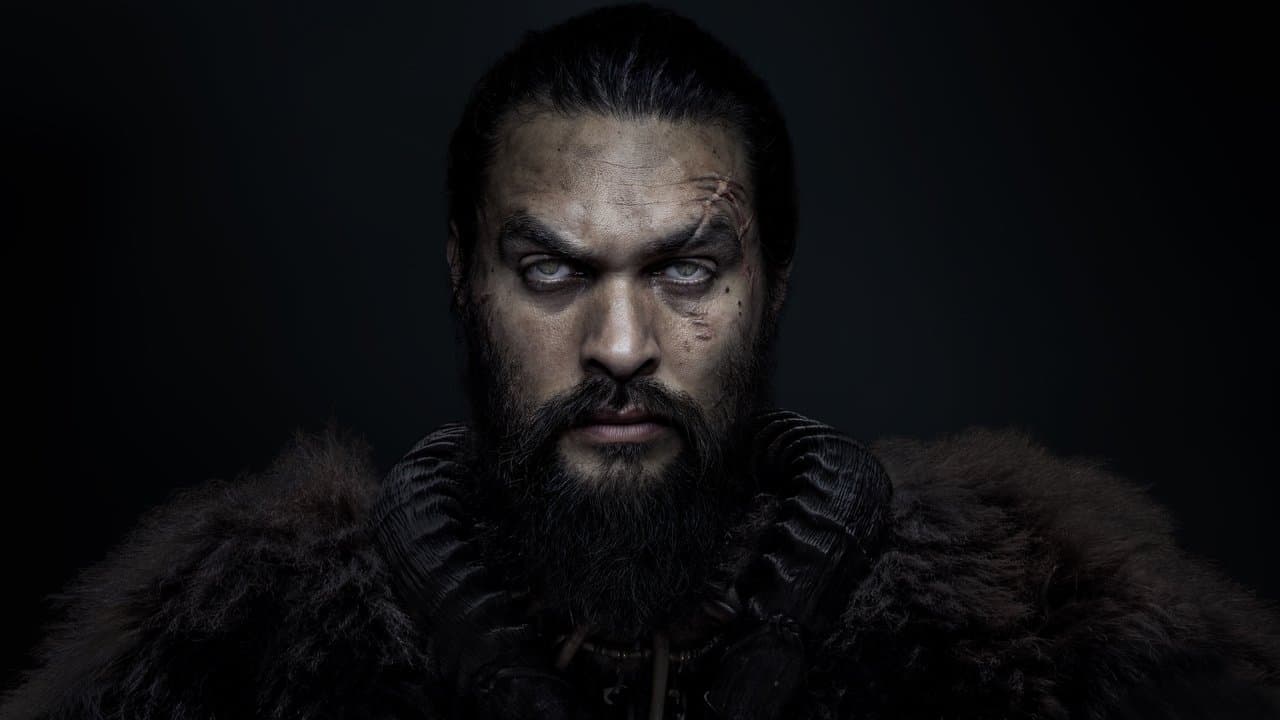
If you saw the original trailer for See, you were probably right there with us: "Holy shit, this looks insane." Jason Momoa charging through forests like a post-apocalyptic war god. Gorgeous mountain landscapes ripped straight out of The Revenant. Massive battles. Brutal action. Every frame looked like Apple accidentally approved an extra zero in the budget. And for about five minutes, it genuinely feels like you're watching the coolest show ever made. Then a little voice in the back of your head goes: Wait... everyone's blind? And just like that, the air starts leaking out of the tires. Which is a shame, because the craftsmanship is honestly incredible — the cinematography is stunning, the production design is ridiculously expensive-looking, the costumes rule, and the fight choreography is genuinely badass. Jason Momoa and the rest of the cast are fully committed. Everybody is clearly working their ass off trying to drag this show into greatness. Eventually your brain starts asking follow-up questions. By episode three or four, you're watching a battle thinking: how the hell are these blind guys coordinating like the Spartans in 300? The bigger the battle, the harder it becomes to stop thinking about the mechanics underneath it all. Once that disbelief breaks, the show never fully recovers. It's frustrating, because See swings huge. It wants to be mythic, cinematic television on a scale most streaming shows never even attempt. We respect the ambition. But eventually every battle, every speech, and every dramatic reveal runs into the same problem: Wait... everyone's blind?

See
5.2